A Comprehensive Guide to Choosing a Watering Can
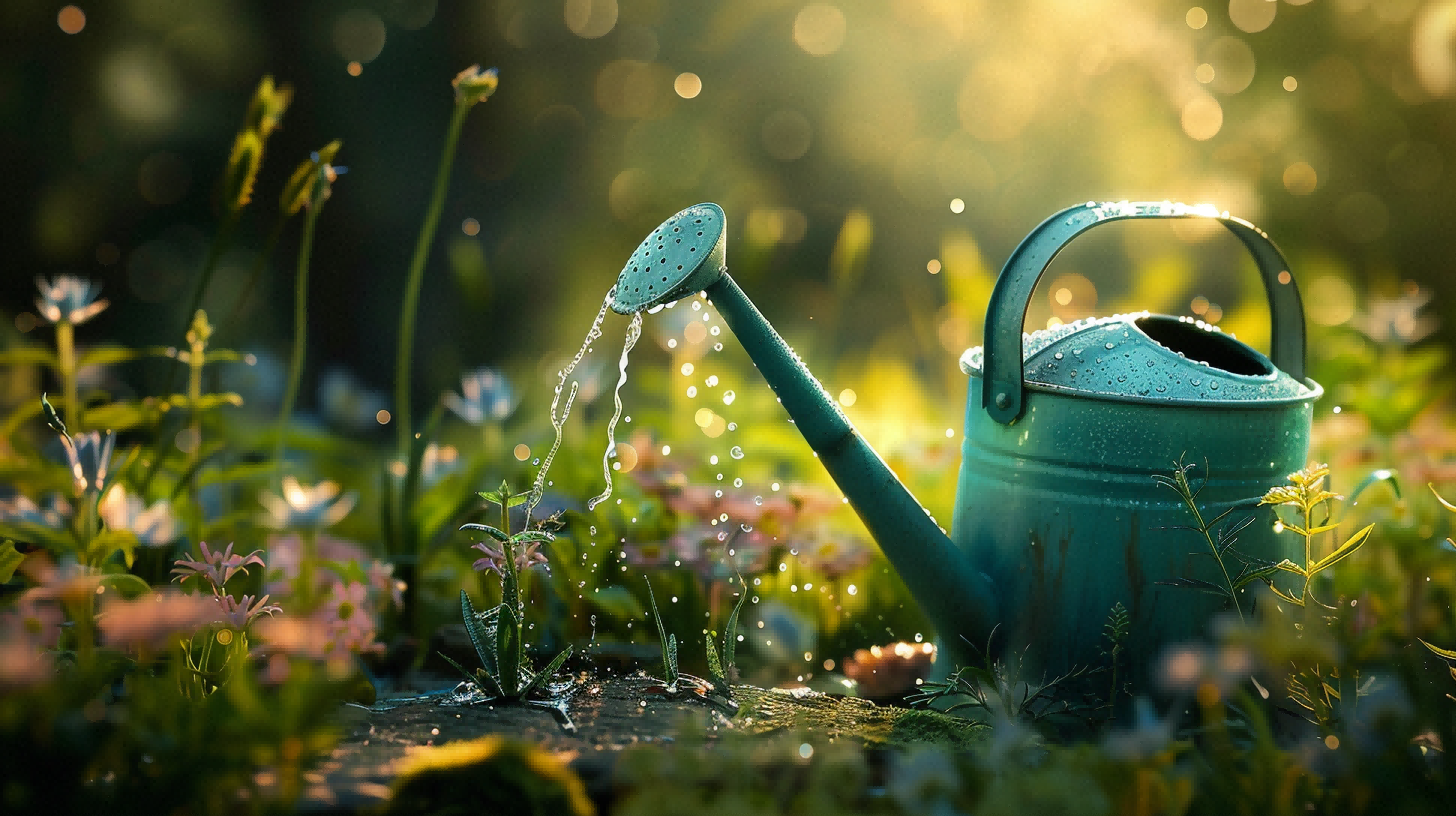
Watering cans are essential tools for gardeners, plant enthusiasts, and anyone with indoor or outdoor plants. Selecting the right watering can involves considering various factors such as material, spout design, capacity, handle design, and the convenience of the filling spout. In this blog post, we will delve into each of these aspects to help you make an informed decision when choosing a watering can.
1. Material:
The material of a watering can significantly impacts its durability, weight, and resistance to corrosion. Common materials include plastic, metal, and ceramic.
- Plastic:
Pros: Lightweight, affordable, and rust-resistant.
Cons: Prolonged exposure to UV light may cause it to degrade.
Usage tip: Avoid leaving it in direct sunlight for too long, store it in a cool place. This can extend its lifespan and prevent harmful substances released from plastic degradation from harming plants.
Cons: Prolonged exposure to UV light may cause it to degrade.
Usage tip: Avoid leaving it in direct sunlight for too long, store it in a cool place. This can extend its lifespan and prevent harmful substances released from plastic degradation from harming plants.
- Metal:
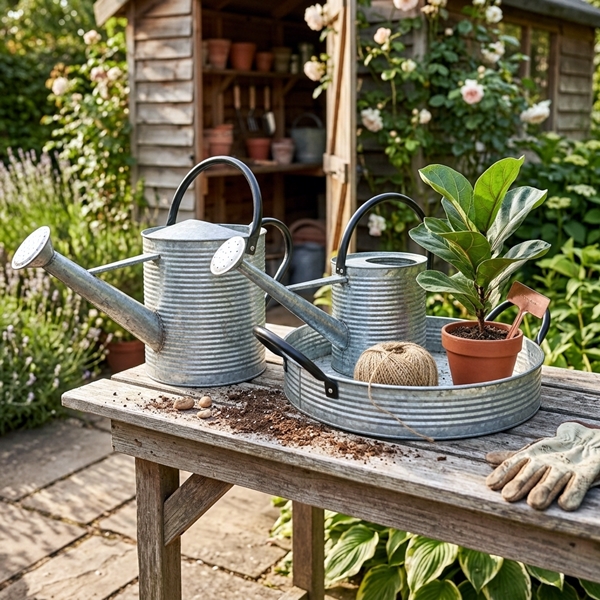
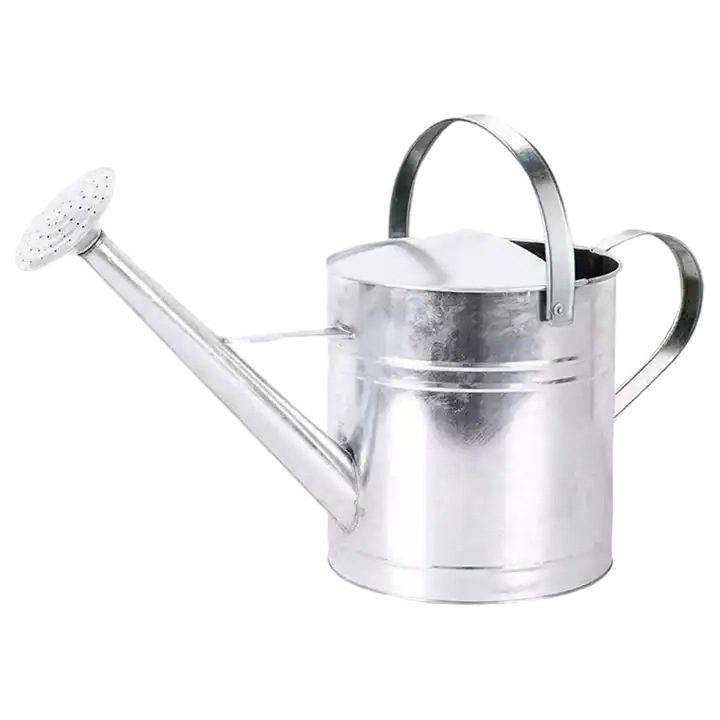
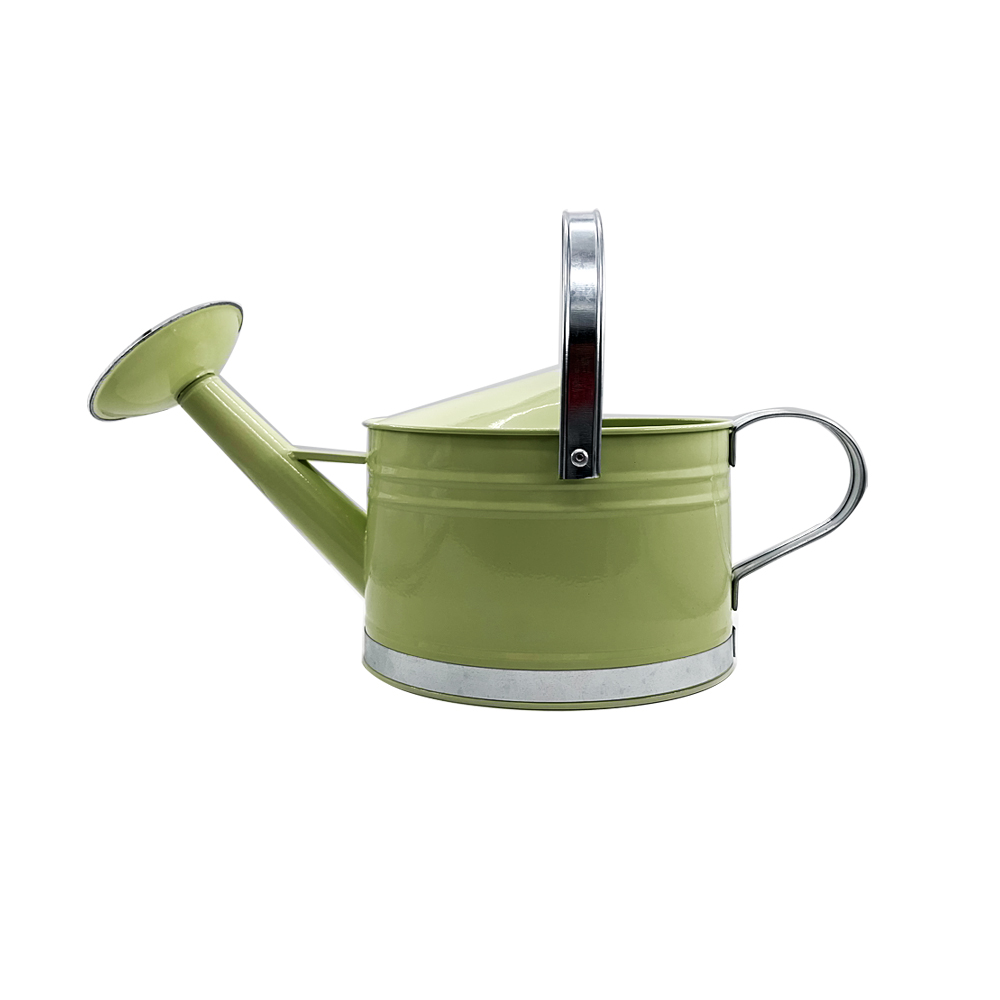
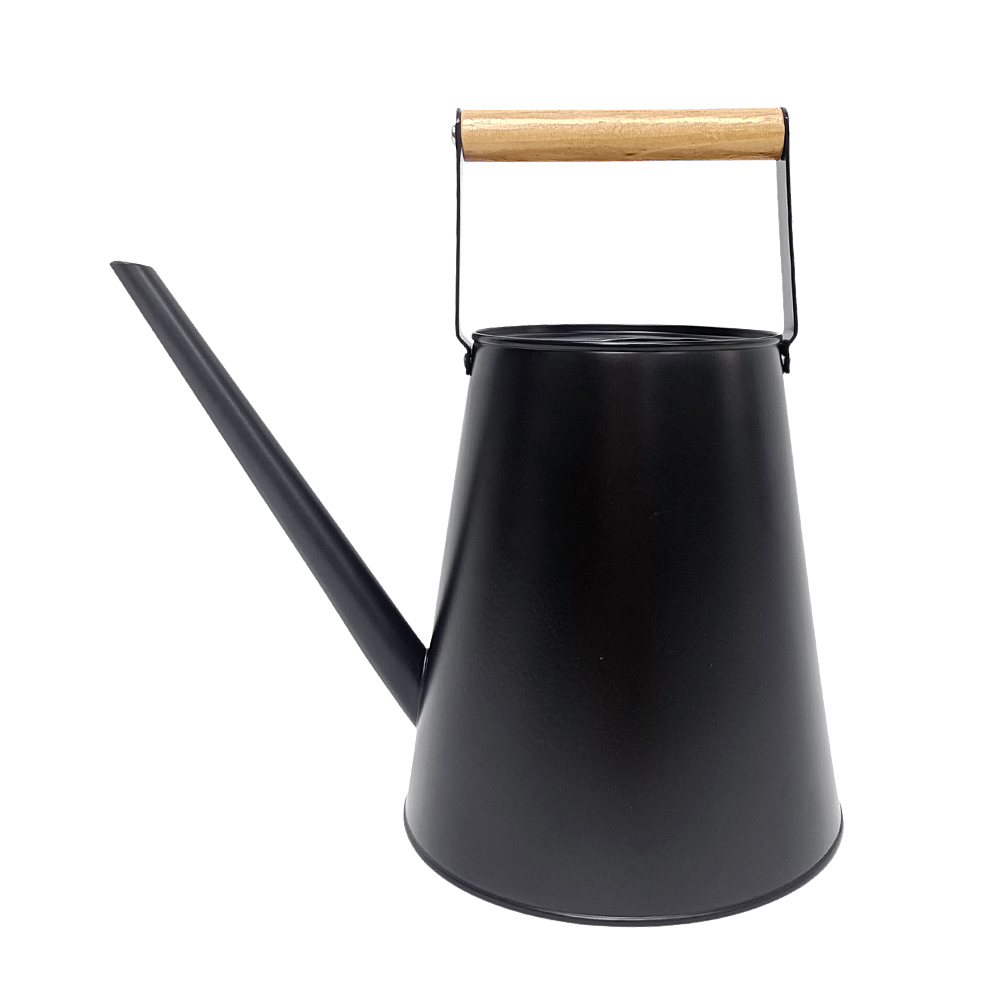
Pros: Sturdy and durable, great for outdoor use. Stainless steel resists rust, galvanized steel offers excellent corrosion resistance.
Cons: Relatively high price.
Usage tip: Suitable for environments requiring durability, like outdoor gardens or lawns. Better overall quality, but be mindful of rust prevention.
Cons: Relatively high price.
Usage tip: Suitable for environments requiring durability, like outdoor gardens or lawns. Better overall quality, but be mindful of rust prevention.
- Ceramic:
Pros: Elegant decoration, suitable for indoor use.
Cons: Fragile, prone to breakage if not used properly.
Usage tip: Use indoors carefully, avoid collisions or drops. Ideal for decorative watering of indoor plants or flowers.
Cons: Fragile, prone to breakage if not used properly.
Usage tip: Use indoors carefully, avoid collisions or drops. Ideal for decorative watering of indoor plants or flowers.
2. Spout Design:
The spout design affects the precision and control of water flow, crucial for avoiding overwatering or damaging delicate plants.
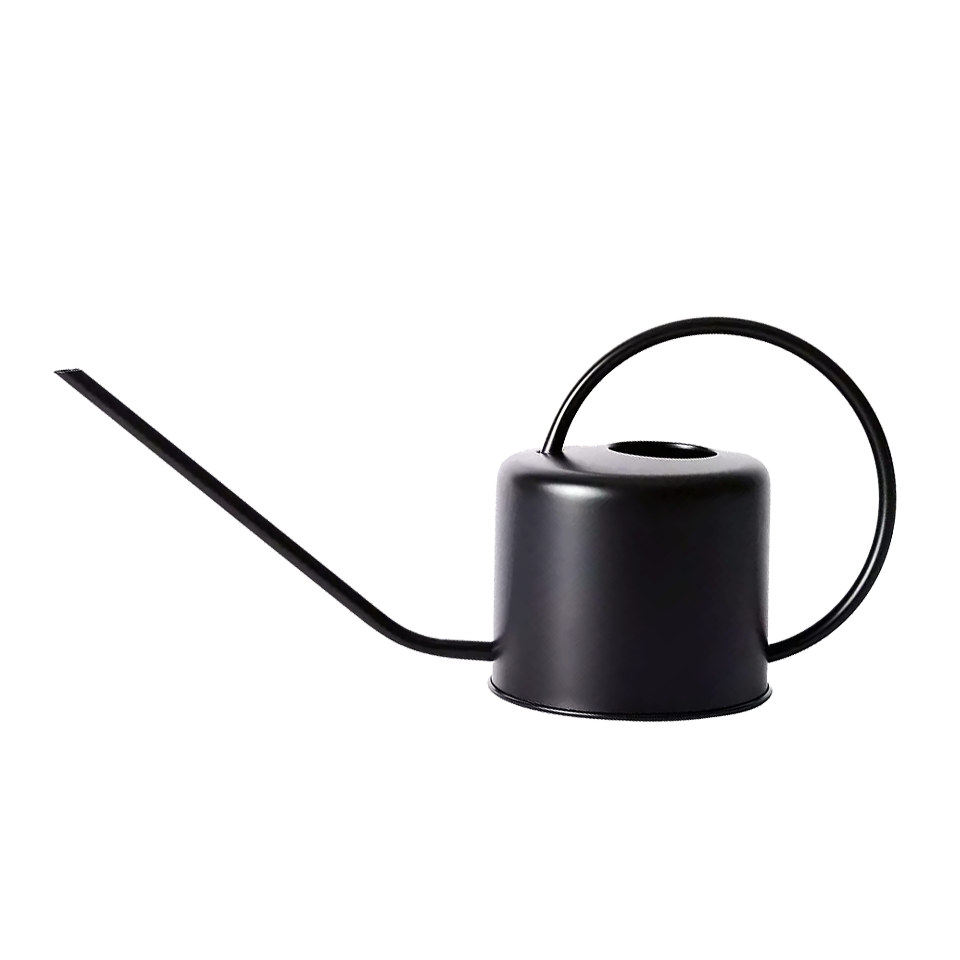
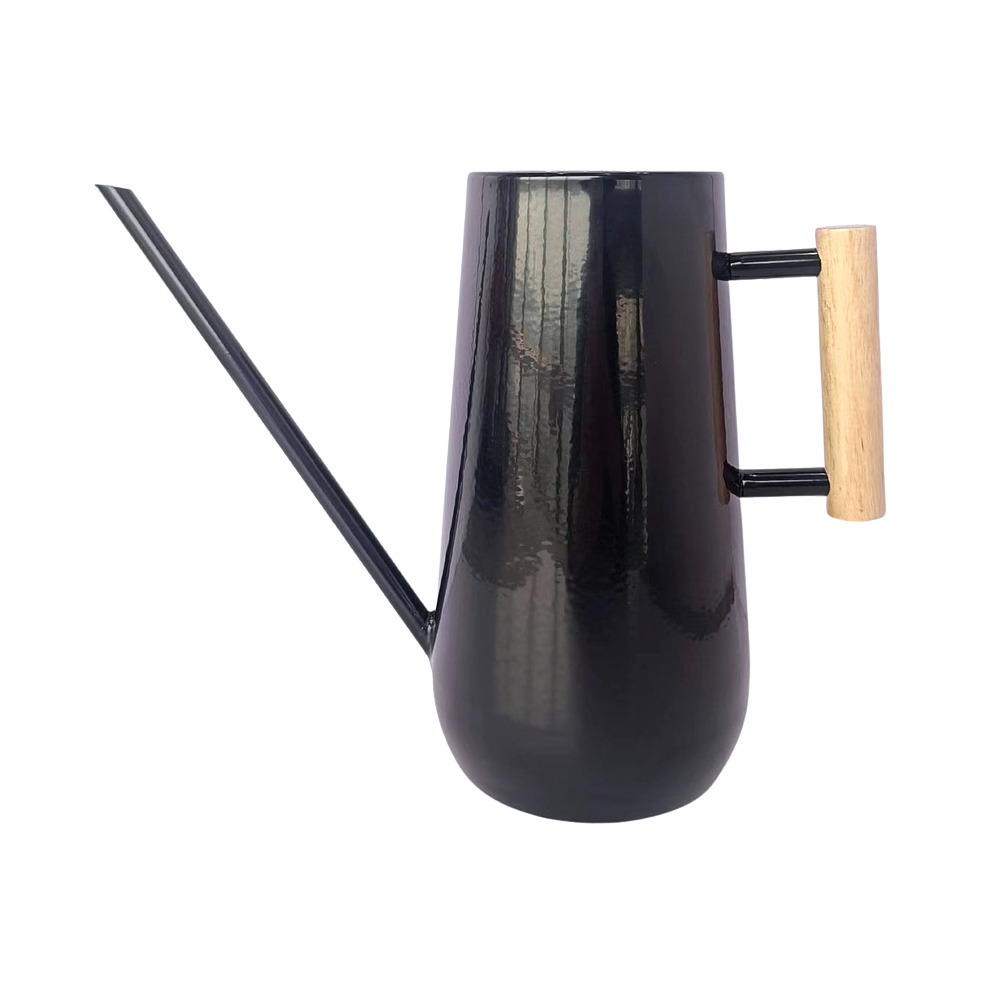
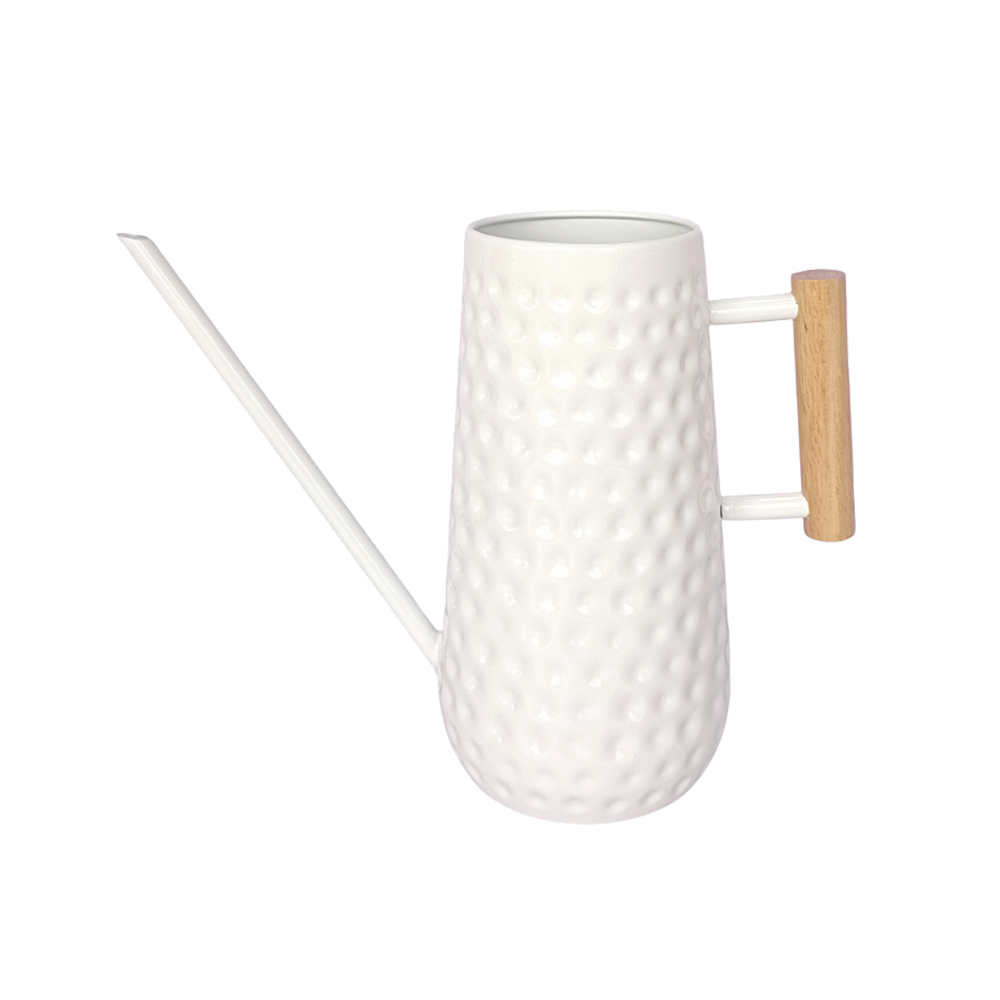
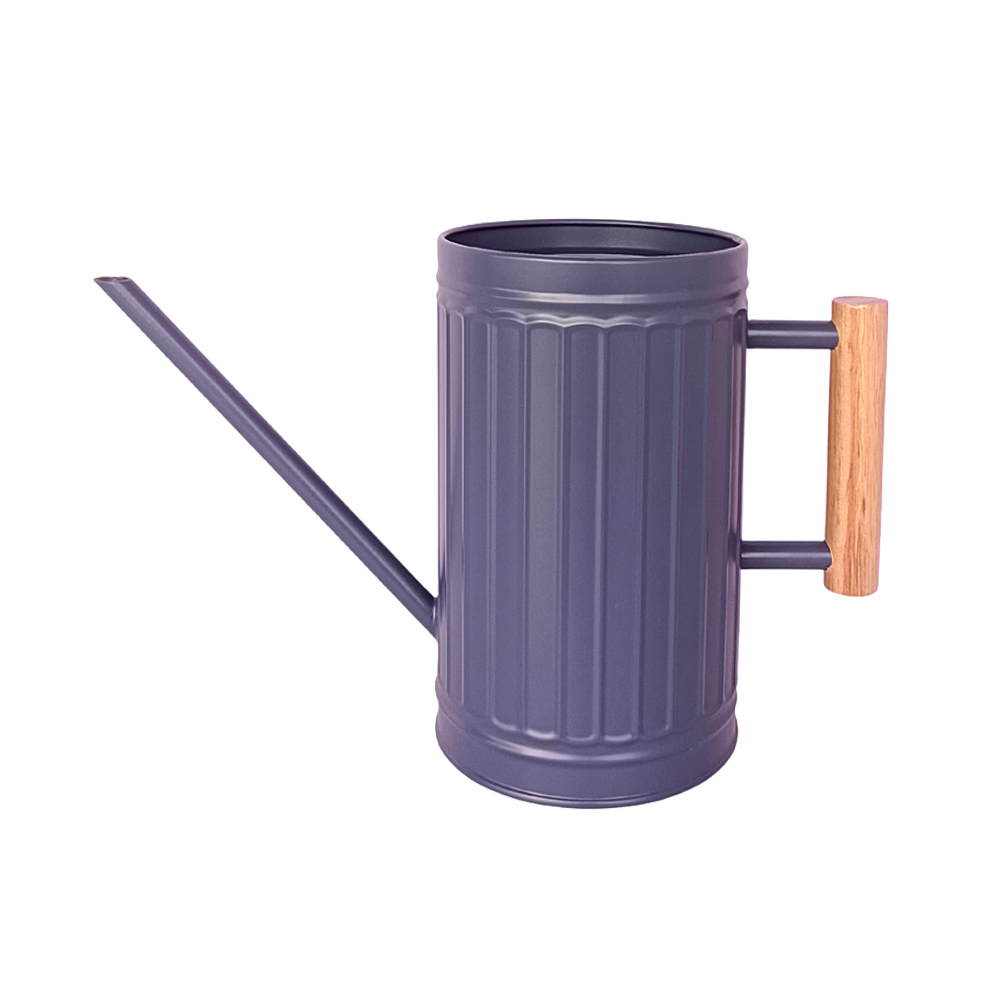
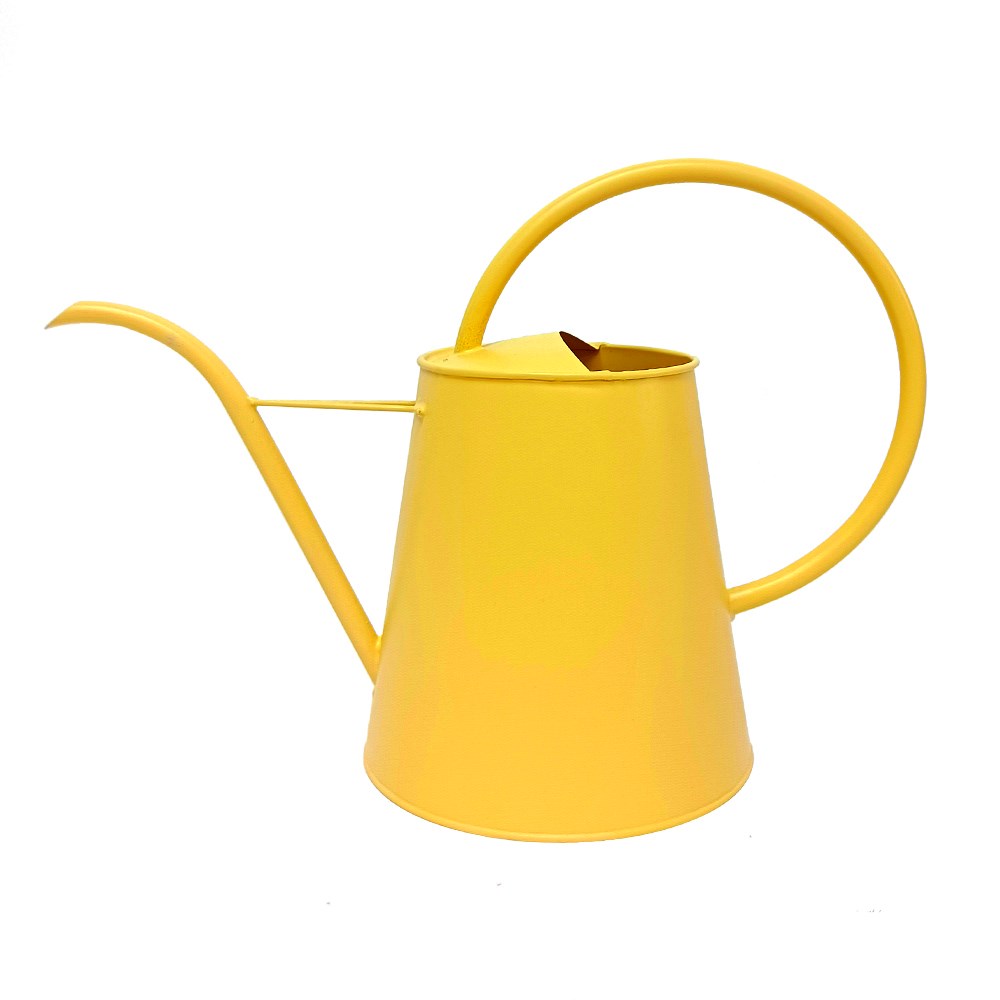
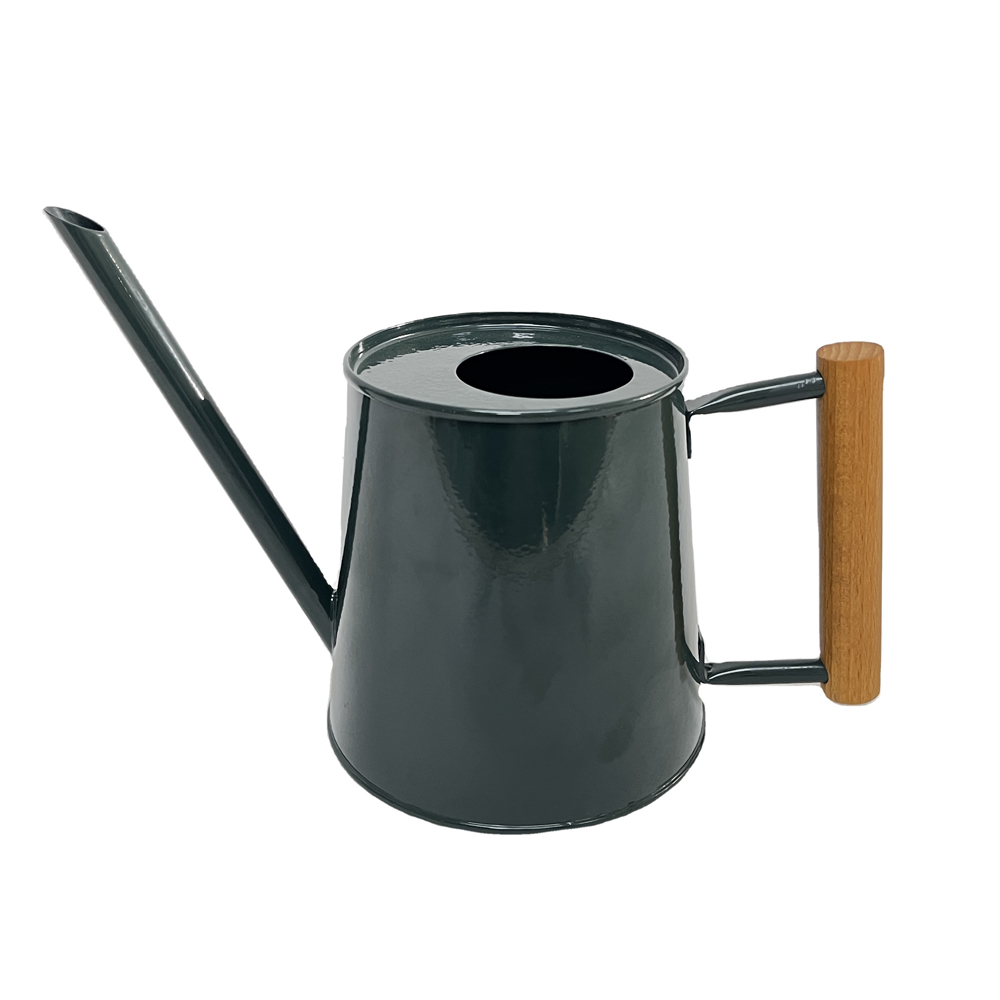
- Long, narrow spouts provide precise water delivery, making them ideal for watering potted plants and reaching tight spaces.
- Adjustable spouts allow users to control the water flow rate, offering versatility for different plant needs.
- Rose or showerhead spouts disperse water evenly, preventing soil erosion and minimizing plant damage.
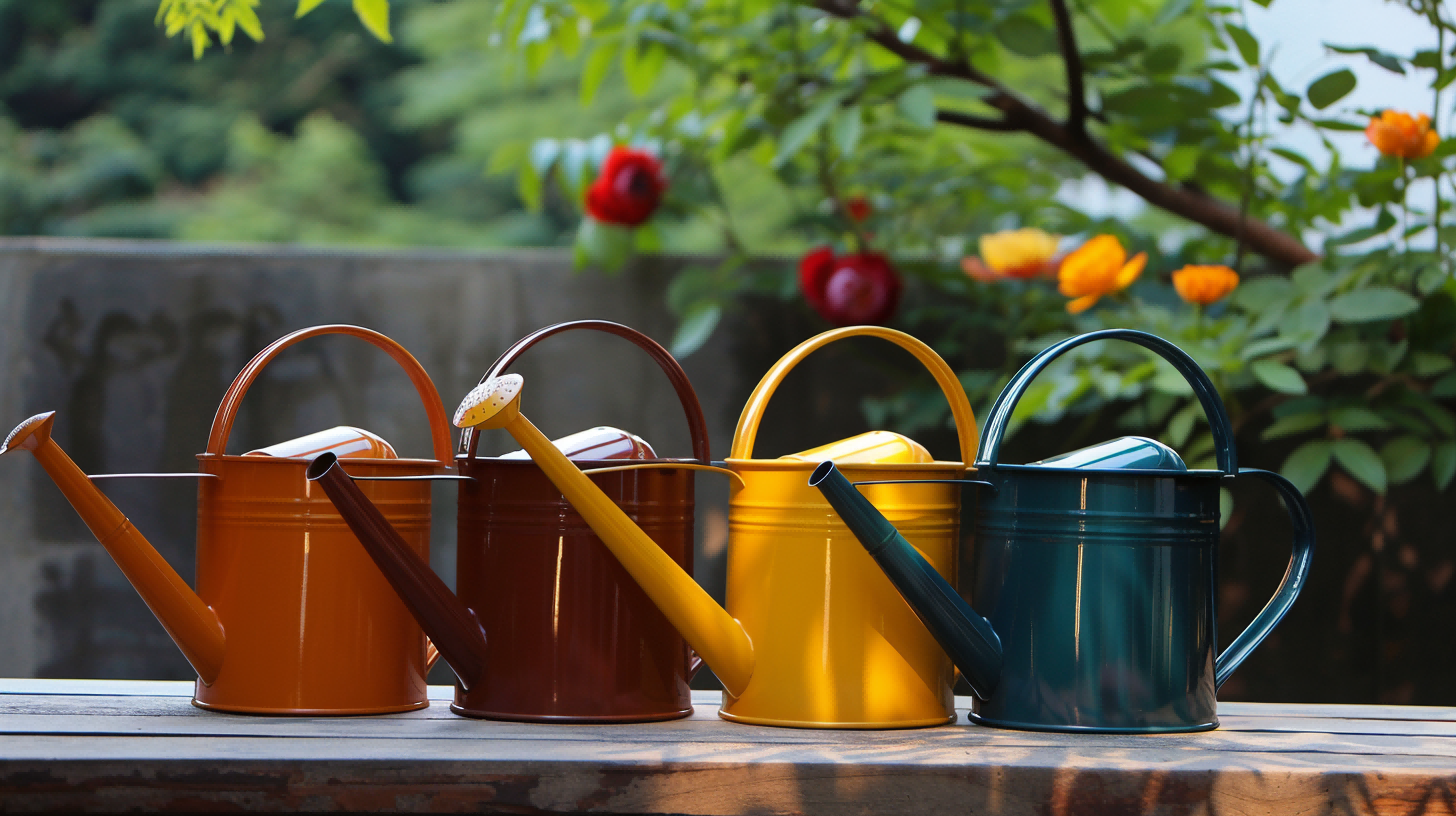
3. Capacity:
The capacity of a watering can determines the volume of water it can hold, influencing the frequency of refills and the ease of use.
- Small capacity cans (e.g., 1-2 liters) are lightweight and suitable for indoor plants or small gardens.
- Medium capacity cans (e.g., 5-8 liters) strike a balance between weight and volume, suitable for average-sized gardens or patio containers.
- Large capacity cans (e.g., 10 liters or more) are ideal for extensive gardens or lawns, minimizing the need for frequent refills.
4. Handle Design:
The handle design affects the ergonomics and comfort of using the watering can, especially during prolonged watering sessions.
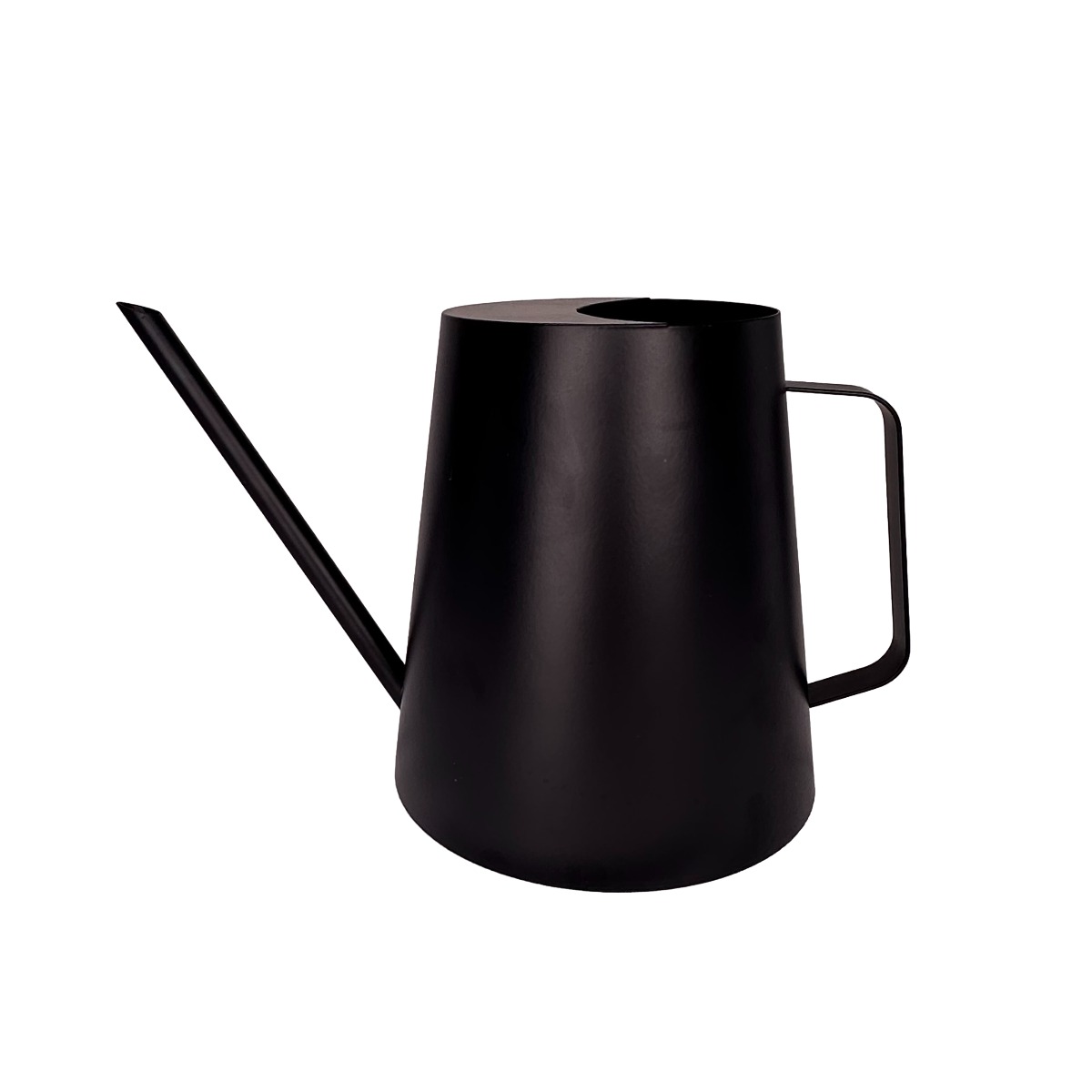
- Single-handle cans offer simplicity and ease of use, allowing users to grip the can with one hand while watering.
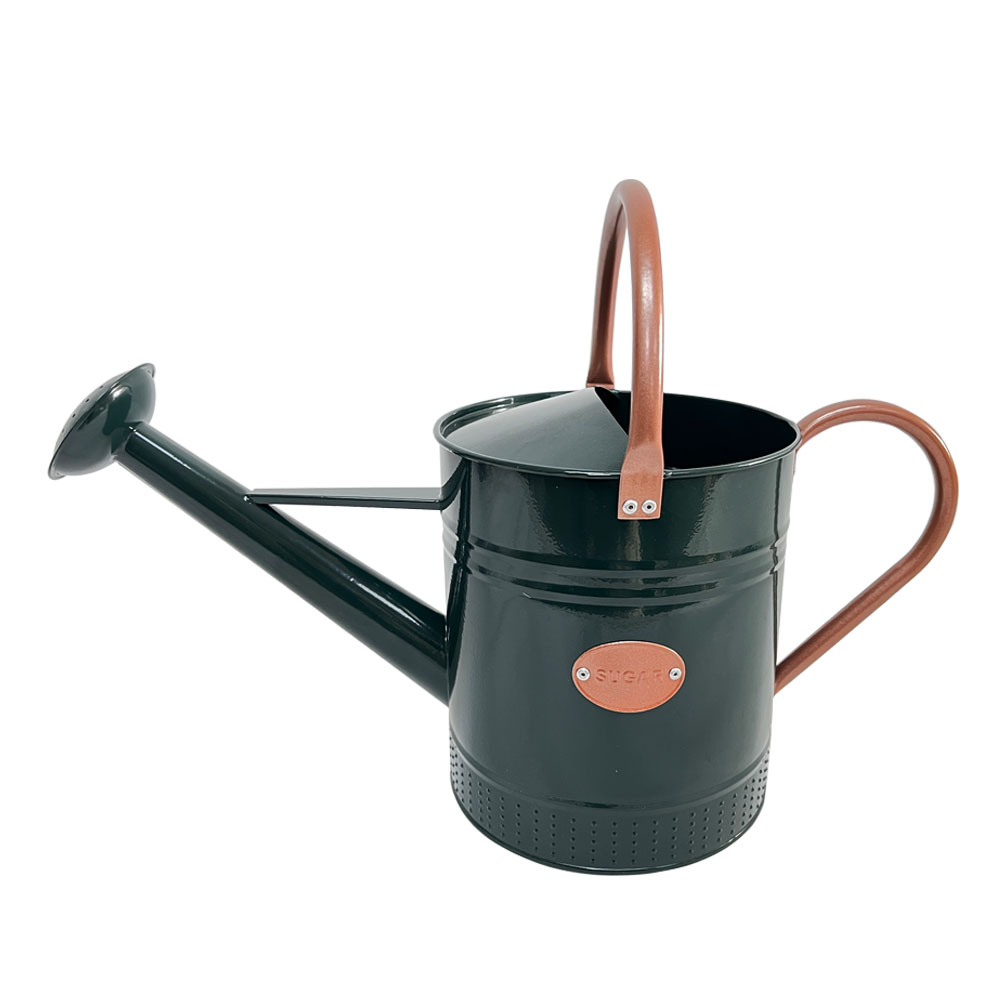
- Dual-handle cans distribute the weight more evenly, reducing strain on the wrist and providing better balance when carrying a full can.
- Textured or padded handles enhance grip and comfort, reducing the risk of hand fatigue or slipping, especially when wet.
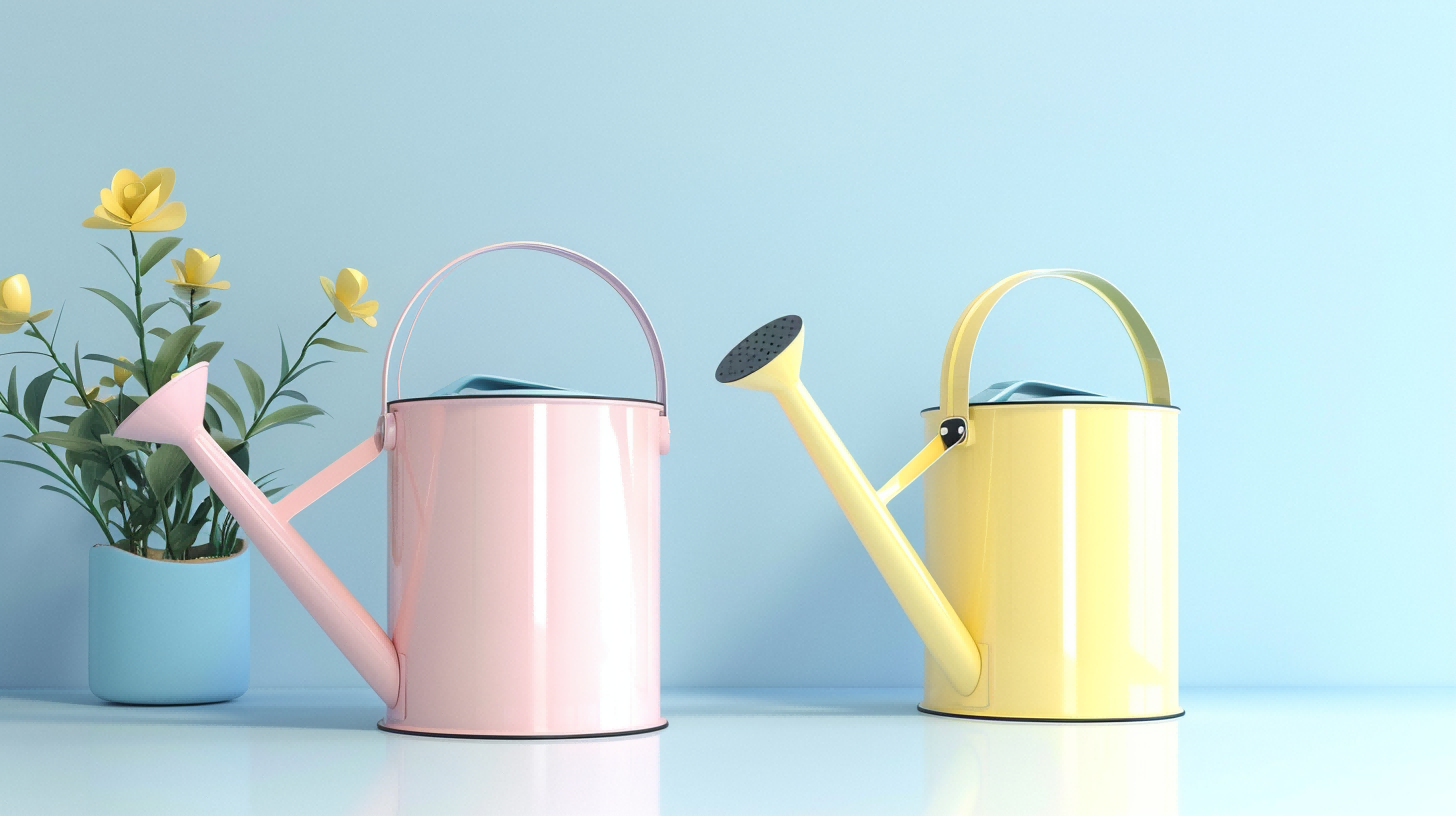
5. Filling Spout Convenience:
The design of the filling spout influences how easy it is to refill the watering can, minimizing spills and simplifying the watering process.
- Wide-mouthed filling spouts facilitate quick and effortless refills, accommodating standard faucet sizes and allowing for easy cleaning.
- Removable or detachable lids provide convenient access to the interior for thorough cleaning and maintenance.
- Built-in filters or screens prevent debris from entering the can, ensuring a steady and clean water flow.
Choosing the right watering can involves considering various factors such as material, spout design, capacity, handle design, and filling spout convenience. By understanding the advantages and disadvantages of different options, you can select a watering can that suits your needs and preferences, enhancing your gardening experience and promoting healthy plant growth.
Reference:Alavian Petroody, S.S.; Hashemi, S.H.; Škrlep, L.; Mušič, B.; van Gestel, C.A.M.; Sever Škapin, A. UV Light Causes Structural Changes in Microplastics Exposed in Bio-Solids. Polymers 2023, 15, 4322. https://doi.org/10.3390/polym15214322
A Beginner's Guide to Igniting Charcoal for Barbecuing
Three-Piece Cans vs. Two-Piece Cans: A Comparative Overview

Related blog