Are Bamboo Lids Worth It? Weighing the Pros and Cons
Sustainability of Bamboo Lids
1. How Bamboo Lids Contribute to Eco-Friendly Living
Bamboo lids are often hailed as a cornerstone of eco-friendly kitchenware, and for good reason. As a rapidly renewable resource, bamboo grows much faster than traditional hardwoods. In fact, some species of bamboo can grow up to three feet in just 24 hours, making it one of the most sustainable plants on the planet. This incredible growth rate means that bamboo can be harvested more frequently without causing long-term damage to the environment. When you choose bamboo lids, you're opting for a product that can be replenished quickly, reducing the strain on natural resources.
Moreover, bamboo cultivation requires significantly less water than many other crops, and it thrives without the need for harmful pesticides or fertilizers. This minimizes the chemical runoff that often contaminates soil and water supplies, further supporting eco-friendly agricultural practices. By integrating bamboo lids into your kitchen storage solutions, you are not only making a sustainable choice but also promoting agricultural methods that are gentler on our planet.
Bamboo lids also have a lower carbon footprint compared to plastic or metal alternatives. The process of manufacturing plastic and metal products is energy-intensive and generates substantial greenhouse gas emissions. In contrast, bamboo absorbs large amounts of carbon dioxide during its growth, helping to offset some of the emissions produced during manufacturing. This makes bamboo lids an excellent choice for those looking to reduce their carbon footprint and support a greener lifestyle.

2. Environmental Benefits of Using Bamboo Over Plastic or Metal
The environmental benefits of bamboo lids extend beyond their rapid growth and low water requirements. When compared to plastic, bamboo is biodegradable and compostable. This means that at the end of their lifecycle, bamboo lids will break down naturally without leaving harmful residues behind. Plastic lids, on the other hand, can take hundreds of years to decompose, during which time they can release toxic chemicals into the environment and contribute to the ever-growing problem of plastic pollution. By choosing bamboo, you are helping to reduce the amount of non-biodegradable waste that ends up in landfills and oceans.

In addition to being biodegradable, bamboo lids are also recyclable, which cannot be said for many types of plastics. While certain plastics can technically be recycled, the process is often complicated, and recycling rates are disappointingly low. Many plastic products end up in landfills or incinerators despite being recyclable. Bamboo, with its natural composition, can be recycled more straightforwardly, contributing to a circular economy where materials are reused and repurposed rather than discarded.
When compared to metal lids, bamboo also stands out in terms of environmental impact. The extraction and processing of metals like aluminum or stainless steel are resource-heavy and energy-consuming, often involving mining practices that can devastate local ecosystems. Metal production generates significant pollution and requires a substantial amount of electricity, much of which comes from non-renewable sources. Bamboo, being a plant-based material, bypasses these environmentally damaging processes, offering a much cleaner production cycle.
Furthermore, bamboo cultivation helps combat soil erosion and promotes soil health. The plant's extensive root system binds the soil together, preventing erosion and enhancing soil structure. This is particularly beneficial in regions prone to heavy rainfall where soil erosion can be a major environmental concern. By supporting bamboo farming, you contribute to land conservation efforts and the preservation of fertile soil for future generations.
Aesthetic Appeal of Bamboo Lids
1. How Bamboo Lids Enhance the Look of Kitchen Storage
Bamboo lids bring a natural and elegant aesthetic to any kitchen setting. The warm, golden hues of bamboo add a touch of sophistication and tranquility to kitchen storage, creating a serene and welcoming atmosphere. Unlike plastic lids, which can look cheap and often clash with other kitchen decor, bamboo lids have a timeless quality that complements a wide range of interior design styles. Whether your kitchen boasts a modern, minimalist look or a more rustic, farmhouse charm, bamboo lids fit seamlessly into the decor.
One of the standout features of bamboo lids is their unique grain patterns. Each bamboo lid has its own distinct look, with variations in color and texture that add depth and character. This individuality ensures that your kitchen storage is not only functional but also visually appealing. The natural beauty of bamboo can turn everyday storage containers into stylish focal points on your countertops or shelves. As someone who appreciates both functionality and style, I find that bamboo lids elevate the overall aesthetic of kitchen storage, making it not just about organization but also about enhancing the visual appeal of the space.
Furthermore, bamboo lids are often used in combination with glass or stainless steel containers, creating a chic and modern look. The contrast between the smooth, sleek surfaces of glass or metal and the organic texture of bamboo creates a visually striking effect. This combination not only looks good but also allows you to see the contents of your containers at a glance, adding both practicality and beauty to your kitchen.
2. Design Versatility and Style Options for Bamboo Lids


The versatility of bamboo lids extends beyond their ability to match various decor styles; they also come in a range of designs and finishes to suit different preferences and needs. From sleek, smooth finishes that highlight the natural grain of the bamboo to more intricate designs that incorporate carved patterns or painted details, bamboo lids offer a plethora of style options. This versatility means you can find bamboo lids that perfectly match your kitchen’s aesthetic, whether you prefer a simple, understated look or something more decorative and eye-catching.
Bamboo lids also come in various shapes and sizes, catering to different storage requirements. Round, square, or rectangular lids can be paired with matching containers, providing a cohesive and organized look. Additionally, some bamboo lids feature integrated seals or silicone rings, ensuring airtight storage while maintaining their stylish appearance. These functional design elements enhance the usability of bamboo lids without compromising on style.
For those who enjoy personalizing their kitchen accessories, bamboo lids offer ample opportunities for customization. You can easily engrave or etch designs onto bamboo lids, adding a personal touch to your kitchen storage. Whether it’s monograms, intricate patterns, or even labels for the contents, customized bamboo lids can make your kitchen truly unique and reflective of your personal style.
Another aspect of design versatility is the ability of bamboo lids to blend with other natural materials. Pairing bamboo lids with wooden cutting boards, bamboo utensils, or even potted plants can create a cohesive and nature-inspired kitchen theme. This not only enhances the aesthetic appeal but also promotes a sense of harmony and tranquility in your kitchen space.
Moreover, bamboo lids are not just limited to food storage. Their stylish and natural look makes them suitable for use in other areas of the home as well. From organizing craft supplies to storing bathroom essentials, bamboo lids add a touch of elegance and coordination across different parts of the house. This multifunctional use further emphasizes the design versatility of bamboo lids.
Durability and Longevity of Bamboo Lids
1. The Lifespan of Bamboo Lids Compared to Other Materials

When it comes to kitchen storage solutions, durability is a crucial factor. Bamboo lids, known for their robustness and long lifespan, often outlast their plastic counterparts and can rival the durability of metal lids. The natural strength of bamboo fibers makes these lids resistant to cracking and warping, common issues that plague plastic lids over time. Unlike plastic, which can become brittle and degrade when exposed to heat or sunlight, bamboo maintains its structural integrity, making it a reliable choice for long-term use.
In comparison to plastic lids, bamboo lids do not suffer from the same level of wear and tear. Plastic lids can become discolored, warped, and less effective at sealing over time due to repeated exposure to varying temperatures and rough handling. Bamboo lids, on the other hand, age gracefully. With proper care, they retain their functionality and appearance for years, providing a sustainable and long-lasting solution for kitchen storage.
When compared to metal lids, bamboo offers the advantage of being naturally resistant to rust and corrosion. Metal lids, especially those not made from stainless steel, can rust over time, particularly in humid environments. Bamboo, being a plant-based material, does not face this issue, making it a durable alternative for areas prone to moisture. Additionally, bamboo lids do not dent or deform easily, maintaining their fit and function even with regular use.
2. Factors Affecting the Durability of Bamboo Lids
Several factors influence the durability of bamboo lids, including the quality of the bamboo, the manufacturing process, and how they are maintained. High-quality bamboo, harvested from well-managed forests, is inherently stronger and more durable. The maturity of the bamboo at the time of harvest also plays a role; older bamboo is typically denser and more robust than younger bamboo, contributing to a longer-lasting product.
The manufacturing process is another critical factor. Bamboo lids that are well-crafted, with attention to detail in cutting, shaping, and finishing, tend to be more durable. Look for lids that have been treated and sealed properly to protect against moisture and stains. Some bamboo lids are reinforced with additional materials or coatings to enhance their strength and longevity, ensuring they can withstand the rigors of daily use.
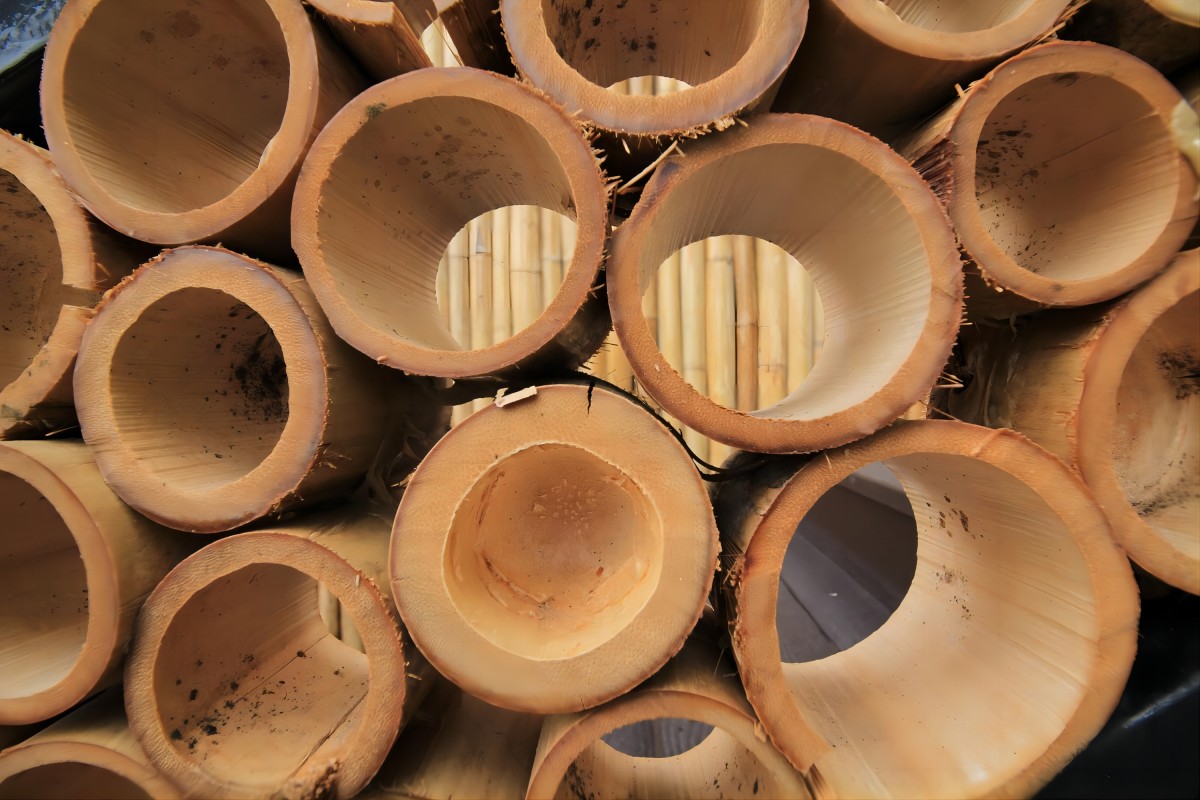
Proper maintenance and care significantly impact the lifespan of bamboo lids. To maximize their durability, it’s essential to keep them clean and dry. While bamboo is naturally resistant to moisture, prolonged exposure to water can lead to swelling and weakening of the material. Hand washing bamboo lids with mild soap and water, followed by thorough drying, helps maintain their integrity. Avoid soaking bamboo lids or putting them in the dishwasher, as the high heat and harsh detergents can damage the bamboo.
Regular oiling can also enhance the durability of bamboo lids. Applying a food-safe mineral oil or bamboo conditioner periodically helps to nourish the bamboo, preventing it from drying out and cracking. This simple maintenance step not only extends the lifespan of bamboo lids but also keeps them looking beautiful and performing well.
Environmental conditions play a role in the longevity of bamboo lids. Storing them in a dry, cool place away from direct sunlight helps prevent potential damage. Extreme temperatures and humidity levels can affect the bamboo’s structure, so it’s best to avoid exposing the lids to such conditions for extended periods.
Finally, the way bamboo lids are used can influence their durability. Using them appropriately, without subjecting them to undue stress or pressure, ensures they remain in good condition. For example, using bamboo lids solely for their intended purpose—covering and sealing containers—rather than as cutting boards or surfaces for heavy items, helps maintain their structural integrity.
Safety and Health Considerations
1. Are Bamboo Lids Food-Safe?
Bamboo lids are widely recognized as a safe option for food storage, provided they are made and maintained correctly. Bamboo itself is a natural material that is free from harmful chemicals found in some plastics and metals. This makes bamboo lids an appealing choice for those who prioritize health and safety in their kitchenware.
To ensure bamboo lids are food-safe, manufacturers typically use food-grade finishes and adhesives during production. These finishes help to seal the bamboo, preventing it from absorbing moisture and odors from the stored food, which could otherwise lead to bacterial growth. When purchasing bamboo lids, it is important to check for certifications or labels indicating that the product meets food safety standards. This provides assurance that the lids have been tested and approved for safe use with food.
However, it is crucial to follow proper care guidelines to maintain the food safety of bamboo lids. Regular cleaning with mild soap and water is essential to prevent the buildup of food residues and bacteria. After washing, the lids should be thoroughly dried to avoid moisture retention, which could lead to mold growth. It is also advisable to avoid using harsh chemicals or abrasive cleaning tools, as these can damage the bamboo and compromise its food safety.
2. Potential Health Benefits or Concerns with Bamboo Lids
Using bamboo lids can offer several health benefits, particularly in comparison to plastic alternatives. Many plastic lids contain chemicals such as BPA (bisphenol A) and phthalates, which can leach into food and pose health risks. BPA is known to mimic estrogen and can disrupt hormonal balance, while phthalates have been linked to various health issues, including reproductive problems and developmental disorders. By opting for bamboo lids, you can eliminate these concerns and reduce exposure to harmful chemicals in your kitchen.
In addition to being free from harmful chemicals, bamboo has natural antimicrobial properties. Bamboo fibers contain a substance called "bamboo kun," which helps resist the growth of bacteria and fungi. This makes bamboo lids inherently more hygienic and less likely to harbor harmful microorganisms compared to other materials. While the antimicrobial properties of bamboo are not a substitute for proper cleaning, they do provide an added layer of protection against potential contamination.
Despite these benefits, there are some considerations to keep in mind. Bamboo lids are generally safe, but the quality of the manufacturing process can affect their safety. Poorly made bamboo lids may contain residual chemicals from adhesives or finishes that are not food-safe. Therefore, it is important to choose bamboo lids from reputable manufacturers who adhere to stringent safety standards and use non-toxic materials.
Another concern is the potential for bamboo lids to crack or splinter if not properly cared for. Cracks can create crevices where bacteria can thrive, posing a health risk. Regular inspection of bamboo lids for signs of wear and tear is essential. If a lid becomes damaged, it should be replaced to maintain food safety standards.
It is also important to be aware of potential allergies. While rare, some individuals may have an allergic reaction to bamboo. Symptoms can include skin irritation or respiratory issues. If you or anyone in your household has a known allergy to bamboo, it is best to avoid using bamboo lids or consult with a healthcare professional before incorporating them into your kitchenware.
Lastly, while bamboo lids are durable, they should be used and maintained correctly to avoid compromising their safety. Avoid exposing bamboo lids to extreme temperatures, such as placing them in the microwave or oven, as this can cause the bamboo to weaken or warp. Proper use and care will ensure that bamboo lids remain a safe and healthy choice for your kitchen.
Maintenance and Care of Bamboo Lids
1. Cleaning and Upkeep Tips for Bamboo Lids
Proper cleaning and maintenance are essential for keeping bamboo lids in optimal condition and extending their lifespan. Fortunately, bamboo lids are relatively easy to clean and require minimal upkeep to maintain their natural beauty and functionality. Here are some tips for cleaning bamboo lids effectively:
- Hand Wash with Mild Soap and Water: To clean bamboo lids, simply hand wash them with mild dish soap and warm water. Avoid using harsh chemicals or abrasive cleaners, as these can damage the bamboo and strip away its natural oils.
- Avoid Soaking: It's important to avoid soaking bamboo lids in water for extended periods, as this can cause the bamboo fibers to swell and weaken. Instead, quickly rinse the lids under running water and gently scrub any stubborn residue with a soft brush or sponge.
- Dry Thoroughly: After washing, be sure to dry bamboo lids thoroughly to prevent moisture from seeping into the wood. Use a clean, dry cloth to wipe away any excess water, and allow the lids to air dry completely before storing them.
- Apply Mineral Oil: Periodically applying food-safe mineral oil or bamboo conditioner to bamboo lids helps to nourish the wood and prevent it from drying out or cracking. Simply rub a small amount of oil onto the surface of the lids using a soft cloth, then buff away any excess with a clean cloth.
- Store in a Dry, Cool Place: To prevent warping or mold growth, store bamboo lids in a dry, cool place away from direct sunlight and moisture. Avoid placing them near heat sources or in humid environments, as this can cause the bamboo to expand and contract, leading to damage over time.

2. How to Extend the Life of Your Bamboo Lids
Taking proactive steps to care for your bamboo lids can help prolong their lifespan and ensure they remain in good condition for years to come. Here are some additional tips for extending the life of your bamboo lids:
- Use as Intended: Bamboo lids are designed to cover and seal containers, not to be used as cutting boards or surfaces for heavy items. Avoid subjecting them to excessive pressure or rough handling, as this can cause cracks or damage to the wood.
- Inspect Regularly: Periodically inspect bamboo lids for signs of wear and tear, such as cracks, splinters, or discoloration. If you notice any damage, replace the lids promptly to prevent further deterioration and maintain food safety.
- Rotate Use: If you have multiple bamboo lids, consider rotating their use to distribute wear evenly and prevent overuse of any one lid. This can help prolong the lifespan of your lids and ensure they remain in good condition over time.
- Avoid Extreme Temperatures: Bamboo lids should not be exposed to extreme temperatures, such as placing them in the microwave, oven, or dishwasher. High heat can cause the bamboo to dry out, warp, or crack, leading to irreparable damage.
- Keep Away from Sharp Objects: Be mindful of sharp objects that could scratch or gouge the surface of bamboo lids. Store lids in a safe place away from knives, utensils, or other sharp items to prevent accidental damage.
- Reapply Oil as Needed: Over time, the natural oils in bamboo can dry out, causing the wood to become brittle and prone to cracking. If you notice that your bamboo lids are starting to look dry or dull, reapply mineral oil or bamboo conditioner to restore their luster and vitality.
By following these maintenance and care tips, you can ensure that your bamboo lids remain in excellent condition and continue to provide reliable performance for all your kitchen storage needs. With proper care, bamboo lids can last for many years, making them a worthwhile investment for any eco-conscious homeowner.
Cost-Effectiveness of Bamboo Lids
1. Comparing the Cost of Bamboo Lids with Other Types of Lids
When evaluating the cost-effectiveness of bamboo lids, it's important to consider their upfront price compared to other types of lids, such as plastic or metal. While bamboo lids may have a slightly higher initial cost than some plastic options, they are often comparable in price to metal lids and can even be more affordable in some cases, depending on the brand and quality.
The cost of bamboo lids can vary depending on factors such as size, design, and brand reputation. Higher-quality bamboo lids that are responsibly sourced and crafted with attention to detail may come with a slightly higher price tag, but they also offer better durability and longevity, making them a worthwhile investment in the long run.
In comparison to plastic lids, which are often mass-produced and made from inexpensive materials, bamboo lids may seem more expensive at first glance. However, when you factor in the environmental impact and potential health risks associated with plastic, the higher initial cost of bamboo lids can be justified by their long-term benefits.
2. Long-Term Savings with Bamboo Lids

While bamboo lids may require a slightly higher upfront investment than plastic lids, they offer significant long-term savings in terms of durability and lifespan. Bamboo lids are known for their exceptional durability and resistance to wear and tear, making them a cost-effective choice over time.
Unlike plastic lids, which can become brittle and cracked with regular use, bamboo lids age gracefully and can last for many years with proper care. This means you won't need to replace bamboo lids as frequently, saving you money in the long run on replacement costs.
Additionally, bamboo lids offer environmental benefits that can translate into long-term savings. By choosing bamboo over plastic, you're reducing your reliance on non-renewable resources and minimizing your carbon footprint. This aligns with sustainable living principles and may lead to cost savings in the form of reduced waste disposal and environmental remediation costs.
Moreover, bamboo lids are often more versatile than plastic lids, allowing you to use them for a variety of purposes beyond just covering containers. Their natural aesthetic and durability make them suitable for serving trays, cheese boards, or even small cutting boards, reducing the need for additional kitchen accessories and saving you money on purchasing separate items.
When considering the cost-effectiveness of bamboo lids, it's essential to take a holistic view that considers not only the upfront price but also the long-term savings, durability, and environmental benefits they offer. While bamboo lids may require a slightly larger initial investment, their superior quality, longevity, and versatility make them a smart choice for budget-conscious consumers looking for sustainable and durable kitchenware options. By investing in bamboo lids, you're not only saving money in the long run but also making a positive impact on the planet.
Compatibility with Different Containers
1. Types of Containers that Pair Well with Bamboo Lids
Bamboo lids are incredibly versatile and compatible with a wide range of containers, making them a popular choice for various kitchen storage needs. Whether you're storing dry goods, leftovers, or meal prep ingredients, bamboo lids offer a reliable seal that helps keep food fresh and organized. Here are some types of containers that pair well with bamboo lids:
- Glass Jars and Canisters: Bamboo lids are a perfect match for glass jars and canisters, providing an airtight seal that preserves the freshness of dry goods like grains, beans, and spices. Glass containers offer a transparent view of the contents, allowing you to easily identify what's inside and monitor quantities.
- Ceramic Bowls and Dishes: Bamboo lids can be used to cover ceramic bowls and dishes, making them ideal for storing leftovers or prepped meals in the refrigerator. The natural beauty of bamboo adds a touch of elegance to ceramic tableware, enhancing the presentation of your culinary creations.
- Stainless Steel Containers: For hot or liquid foods, stainless steel containers paired with bamboo lids offer a durable and practical solution. Stainless steel is non-reactive and does not retain odors or flavors, making it an excellent choice for storing soups, sauces, and other liquids.
- Wooden Boxes and Baskets: Bamboo lids can also complement wooden boxes and baskets, providing a cohesive and natural storage solution. Whether you're organizing pantry staples or displaying fresh produce on the countertop, bamboo lids add a rustic charm to wooden containers.
- Bamboo or Plastic Tubs: Bamboo lids can be used to cover bamboo or plastic tubs, creating a seamless and eco-friendly storage solution. Bamboo tubs offer a sustainable alternative to plastic containers, while plastic tubs are lightweight and convenient for on-the-go snacks or meal prep.
2. Customization Options for Bamboo Lids
In addition to their compatibility with different containers, bamboo lids offer customization options that allow you to personalize your kitchen storage. From engraving to painting, there are various ways to customize bamboo lids to suit your style and preferences:
- Engraving: Bamboo lids can be engraved with initials, monograms, or decorative patterns to add a personalized touch to your kitchenware. Engraving can be done using laser technology or traditional carving techniques, depending on the desired design and level of detail.
- Painting: For a pop of color or a whimsical design, bamboo lids can be painted with food-safe paints or dyes. Whether you prefer bold geometric patterns or delicate floral motifs, painting allows you to express your creativity and enhance the visual appeal of your kitchen storage.
- Decals and Stickers: If you're looking for a quick and easy way to customize bamboo lids, decals and stickers offer a convenient solution. With a wide range of designs and themes available, you can find decals or stickers that reflect your personality and style.
- Etching: Etching involves using a chemical or abrasive process to create designs or patterns on the surface of bamboo lids. Etched designs can be subtle or intricate, depending on the desired effect, and add a unique texture to your kitchenware.
- Labels: For practical organization, bamboo lids can be labeled with adhesive labels or chalkboard paint. Labeling allows you to identify the contents of containers at a glance and helps keep your pantry or fridge neatly organized.
By customizing bamboo lids to match your personal style and preferences, you can create a cohesive and personalized kitchen storage solution that not only looks great but also functions efficiently. Whether you opt for engraving, painting, or labeling, the customization options for bamboo lids are endless, allowing you to create a truly unique and personalized culinary space.
Environmental Impact of Bamboo Production
1. Sustainability of Bamboo Harvesting and Manufacturing Processes
Bamboo is renowned for its sustainability and eco-friendliness, making it an attractive choice for environmentally conscious consumers. Unlike hardwood trees, which can take decades to mature, bamboo is a fast-growing grass that reaches maturity in just a few years. This rapid growth rate makes bamboo a highly renewable resource that can be harvested without causing long-term damage to the environment.
Furthermore, bamboo requires minimal water and no pesticides or fertilizers to thrive, reducing the environmental footprint associated with its cultivation. Unlike conventional crops that deplete soil nutrients and require extensive irrigation, bamboo grows naturally in a variety of climates and soil conditions, making it a low-impact and sustainable crop choice.
In addition to its sustainable growth habits, bamboo also offers environmental benefits during the manufacturing process. Bamboo can be processed into a wide range of products, including bamboo lids, using eco-friendly methods that minimize waste and energy consumption. For example, bamboo fibers can be mechanically crushed and spun into yarns or molded into shapes without the need for harmful chemicals or high temperatures.
Moreover, bamboo production generates fewer greenhouse gas emissions compared to traditional manufacturing processes, further reducing its environmental impact. By choosing bamboo lids over plastic or metal alternatives, consumers can help mitigate climate change and support sustainable practices in the manufacturing industry.

2. Ethical Considerations in Sourcing Bamboo
While bamboo itself is a sustainable resource, it's essential to consider ethical considerations in sourcing bamboo and supporting responsible supply chains. Bamboo is primarily grown in Asia, where it plays a vital role in local economies and livelihoods. However, not all bamboo harvesting practices are ethical or sustainable.
Some concerns associated with bamboo production include deforestation, habitat destruction, and the displacement of indigenous communities. Unsustainable harvesting methods can lead to soil erosion, loss of biodiversity, and disruption of natural ecosystems. Additionally, labor practices in bamboo harvesting and processing facilities may raise ethical concerns, such as child labor, low wages, and unsafe working conditions.
To address these ethical considerations, it's crucial for bamboo suppliers and manufacturers to prioritize transparency, accountability, and fair labor practices throughout the supply chain. This includes implementing sustainable harvesting techniques, protecting natural habitats, and ensuring the well-being of workers involved in bamboo production.
Certifications such as the Forest Stewardship Council (FSC) and the Rainforest Alliance can help consumers identify bamboo products that have been responsibly sourced and manufactured. These certifications provide assurance that bamboo has been harvested in a sustainable manner, with respect for environmental and social standards.
By supporting ethical and sustainable bamboo production, consumers can minimize their environmental impact and contribute to positive social outcomes in bamboo-growing communities. By choosing bamboo lids that uphold high ethical and environmental standards, consumers can enjoy the benefits of eco-friendly kitchenware while supporting responsible practices in the bamboo industry.
Consumer Reviews and Testimonials
1. What Users Are Saying About Their Experience with Bamboo Lids
Consumer reviews and testimonials offer valuable insights into the real-world performance and satisfaction levels of bamboo lids. Across various online platforms and forums, users have shared their experiences, both positive and negative, with using bamboo lids in their daily lives. These firsthand accounts provide valuable feedback on the practicality, durability, and overall value of bamboo lids as a kitchen storage solution.
Many users praise bamboo lids for their eco-friendliness, durability, and aesthetic appeal. They appreciate the natural look and feel of bamboo, which adds a touch of warmth and authenticity to their kitchenware collection. Users also commend bamboo lids for their ability to create a tight seal, keeping food fresh and organized with minimal effort. Whether storing dry goods, leftovers, or meal prep ingredients, users report that bamboo lids offer reliable performance and ease of use.
Furthermore, users highlight the versatility of bamboo lids and their compatibility with various types of containers, including glass jars, ceramic bowls, and stainless steel containers. This versatility makes bamboo lids a practical choice for a wide range of kitchen storage needs, from pantry organization to meal prep and beyond.
However, some users have raised concerns about the durability of bamboo lids, particularly with regards to cracking or warping over time. While these issues are relatively rare, they can occur with improper care or exposure to extreme conditions. Some users also note that bamboo lids may require more maintenance compared to plastic or metal lids, such as regular oiling to prevent drying out.
Conclusion
In conclusion, bamboo lids offer a compelling combination of sustainability, durability, and style for your kitchen storage needs. From their eco-friendly production to their practical usability, bamboo lids stand out as a smart choice for conscientious consumers looking to make a positive impact on the environment. By weighing the pros and cons outlined in this article, you can make an informed decision about whether bamboo lids are worth it for your lifestyle. Whether you're drawn to their natural beauty, airtight seal, or ethical sourcing, bamboo lids provide a versatile and eco-conscious solution for organizing and preserving your food. Make the switch to bamboo lids today and experience the benefits of sustainable living firsthand.
FAQ
Are bamboo lids dishwasher safe?
How do I clean bamboo lids?
Are bamboo lids airtight?
Can bamboo lids be used in the microwave?
Are bamboo lids safe for food storage?
Do bamboo lids fit all container sizes?
How long do bamboo lids last?
Do bamboo lids require any special maintenance?
Can bamboo lids be customized?
Are bamboo lids environmentally friendly?
Colander: An Essential Kitchen Tool for a Convenient Cooking Experience
The Science Behind Galvanized Steel: Why It Stands Strong Against Rust