The Science Behind Galvanized Steel: Why It Stands Strong Against Rust
Galvanized steel, renowned for its rust resistance, is a cornerstone of corrosion prevention in various industries. This abstract provides insights into the protective mechanisms of galvanized steel, including sacrificial protection and barrier formation. It highlights the diverse applications of galvanized steel and emphasizes its role in safeguarding infrastructure against corrosion. Understanding the science behind galvanized steel's rust resistance empowers stakeholders to make informed decisions for durable and long-lasting steel structures.
- Regular Inspection: Conduct visual inspections of galvanized steel surfaces to identify any signs of damage or corrosion early on.
- Cleanliness: Keep galvanized steel surfaces clean and free from dirt, debris, and contaminants to prevent corrosion initiation.
- Proper Drainage: Ensure adequate drainage around galvanized steel structures to prevent the accumulation of standing water, which can promote rust formation.
- Avoid Contact with Incompatible Materials: Prevent direct contact between galvanized steel and materials that can accelerate corrosion, such as copper, brass, or treated wood.
- Use Compatible Coatings: Apply compatible coatings, such as zinc-rich paint or epoxy primer, to protect galvanized steel surfaces in harsh environments or high-traffic areas.
- Avoid Abrasive Cleaning Methods: Use mild detergents and non-abrasive cleaning methods to avoid damaging the zinc coating on galvanized steel surfaces.
- Address Damage Promptly: Repair any scratches, chips, or areas of damage to the zinc coating promptly to prevent corrosion from spreading.
- Proper Storage: Store galvanized steel materials in dry, well-ventilated areas to minimize exposure to moisture and humidity.
- Avoid Chemical Exposure: Minimize exposure of galvanized steel to corrosive chemicals, acids, alkalis, and industrial pollutants to preserve its rust-resistant properties.
- Follow Manufacturer's Guidelines: Adhere to the manufacturer's recommendations for handling, installation, and maintenance of galvanized steel products to ensure optimal performance and longevity.
Understanding the Process of Galvanization: How Rust Protection Begins
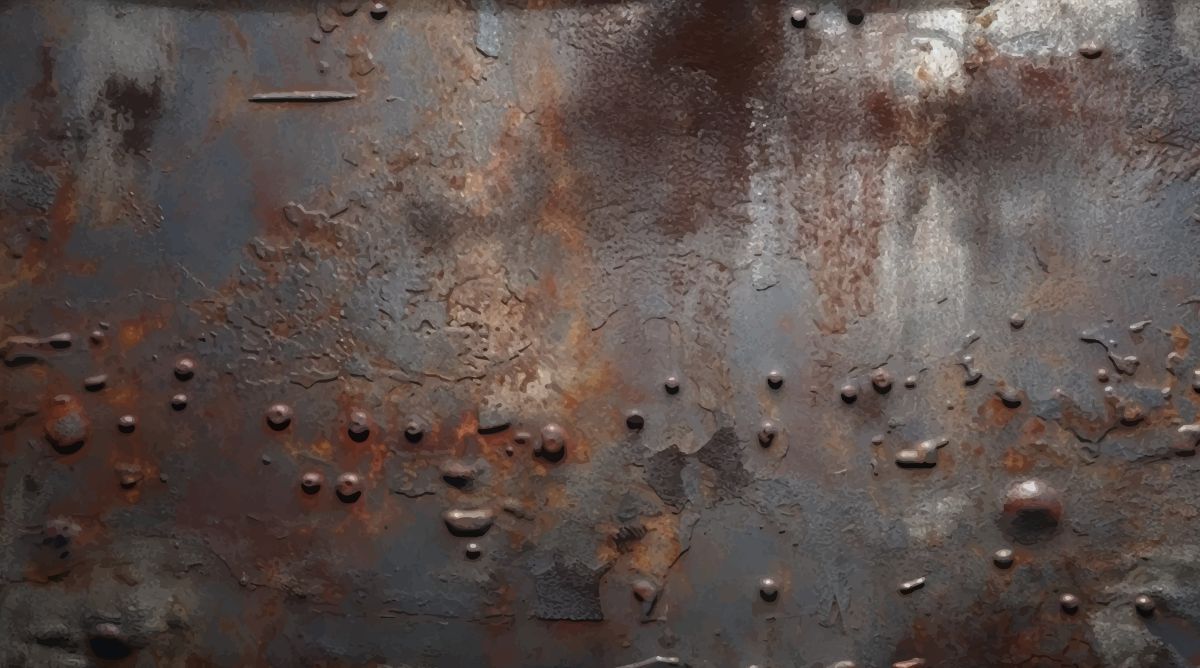
Galvanization is a process that involves coating steel with a layer of zinc to protect it from corrosion, particularly rust. This method has been employed for centuries, and its effectiveness in safeguarding steel against the ravages of rust is unparalleled. But how exactly does galvanization work, and what makes it such a potent shield against rust?
At its core, the process of galvanization relies on electrochemical principles to create a protective barrier on the surface of the steel. The steel is first cleaned and prepared to ensure optimal adhesion of the zinc coating. This preparation typically involves degreasing to remove any contaminants and etching to promote surface roughness, enhancing the bond between the steel and zinc.
Once the steel is primed, it undergoes a process known as hot-dip galvanizing, the most common method of galvanization. In this process, the steel is immersed in a bath of molten zinc at temperatures exceeding 800°F (427°C). As the steel is withdrawn from the zinc bath, a metallurgical reaction occurs between the zinc and the steel substrate, resulting in the formation of a series of zinc-iron alloy layers.
These alloy layers constitute the protective coating that shields the steel from rust. The outermost layer consists primarily of pure zinc, which serves as a sacrificial anode, corroding preferentially to protect the underlying steel. This sacrificial mechanism is fundamental to the effectiveness of galvanized steel in preventing rust formation.
But galvanization isn't limited to hot-dip methods. It can also be achieved through processes such as electroplating, where zinc is deposited onto the steel surface using an electric current. While electroplated coatings tend to be thinner than hot-dip coatings, they still offer significant rust protection, particularly in less demanding environments.
In essence, the process of galvanization kickstarts the rust protection journey by forming a durable, corrosion-resistant barrier on the surface of the steel. This barrier not only shields the steel from the corrosive effects of moisture, oxygen, and other environmental factors but also provides a sacrificial layer that sacrificially corrodes to protect the underlying steel, ensuring long-lasting rust resistance.
Chemical Composition: Why Galvanized Steel Resists Rust
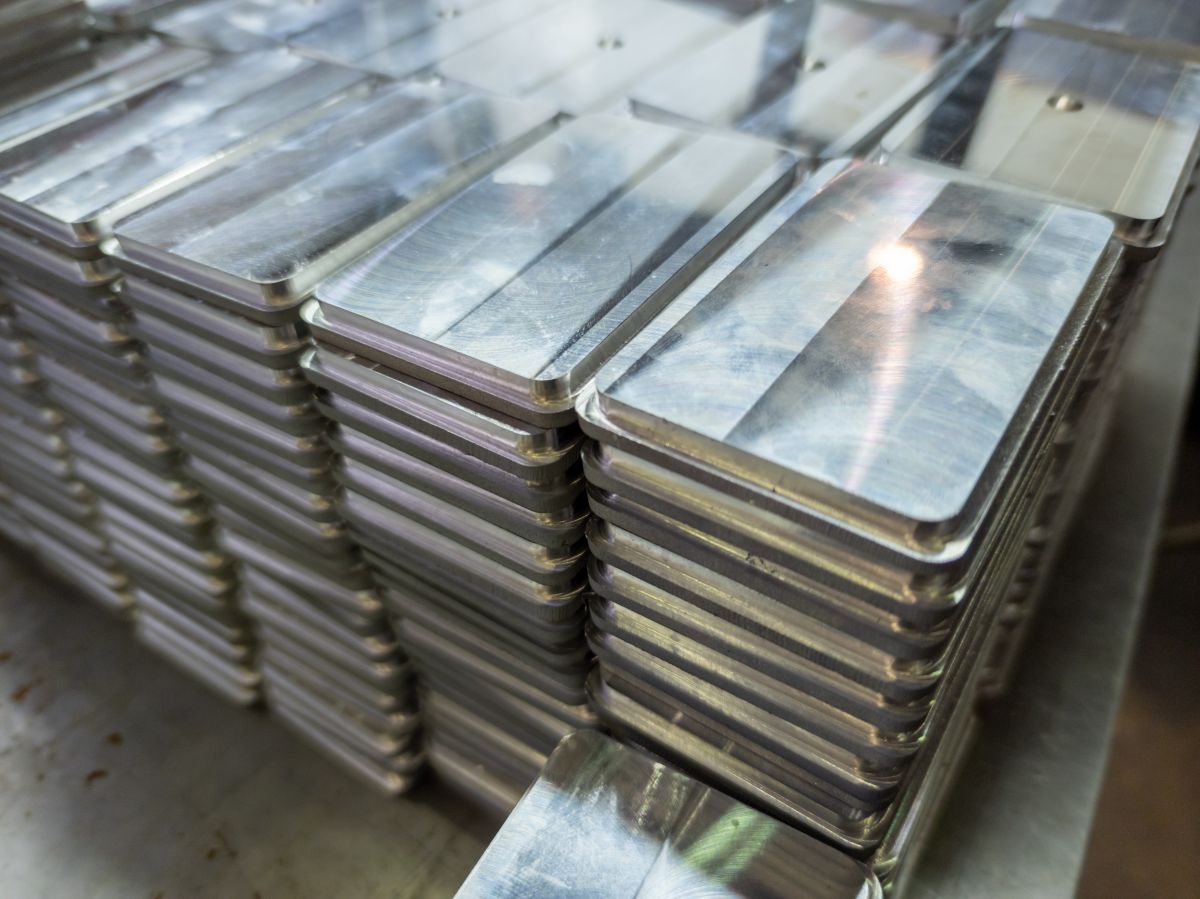
The remarkable rust resistance of galvanized steel can be attributed, in large part, to its unique chemical composition. At its core, galvanized steel is a composite material consisting primarily of iron and zinc, with the latter playing a pivotal role in conferring rust-resistant properties to the steel.
Zinc, a metallic element with atomic number 30, possesses inherent corrosion-resistant properties that make it an ideal candidate for galvanizing steel. Unlike iron, which readily oxidizes in the presence of moisture and oxygen to form iron oxide (rust), zinc forms a protective layer of zinc oxide on its surface when exposed to air. This zinc oxide layer acts as a barrier, preventing further oxidation of the underlying zinc metal.
When galvanized steel is exposed to the elements, such as rain, humidity, or saltwater spray, the protective zinc oxide layer serves as the first line of defense against corrosion. Even if the outer layer of zinc oxide is breached, the underlying layers of zinc alloy provide additional protection, sacrificially corroding to shield the steel substrate from rust formation.
Moreover, the chemical interaction between zinc and iron in galvanized steel results in the formation of intermetallic compounds, further enhancing its rust resistance. These compounds, known as zinc-iron alloy layers, are formed during the galvanization process and contribute to the durability and longevity of the protective coating.
In addition to zinc, other alloying elements may be present in galvanized steel to further enhance its corrosion resistance. These alloying elements, such as aluminum or magnesium, can modify the structure and properties of the zinc coating, improving its adhesion, ductility, and overall performance in harsh environments.
Overall, the chemical composition of galvanized steel plays a crucial role in its ability to resist rust. By harnessing the corrosion-resistant properties of zinc and other alloying elements, galvanized steel offers unparalleled protection against the deleterious effects of rust, ensuring longevity and durability in a wide range of applications.
Mechanical Properties: How Galvanized Coatings Prevent Rust Formation
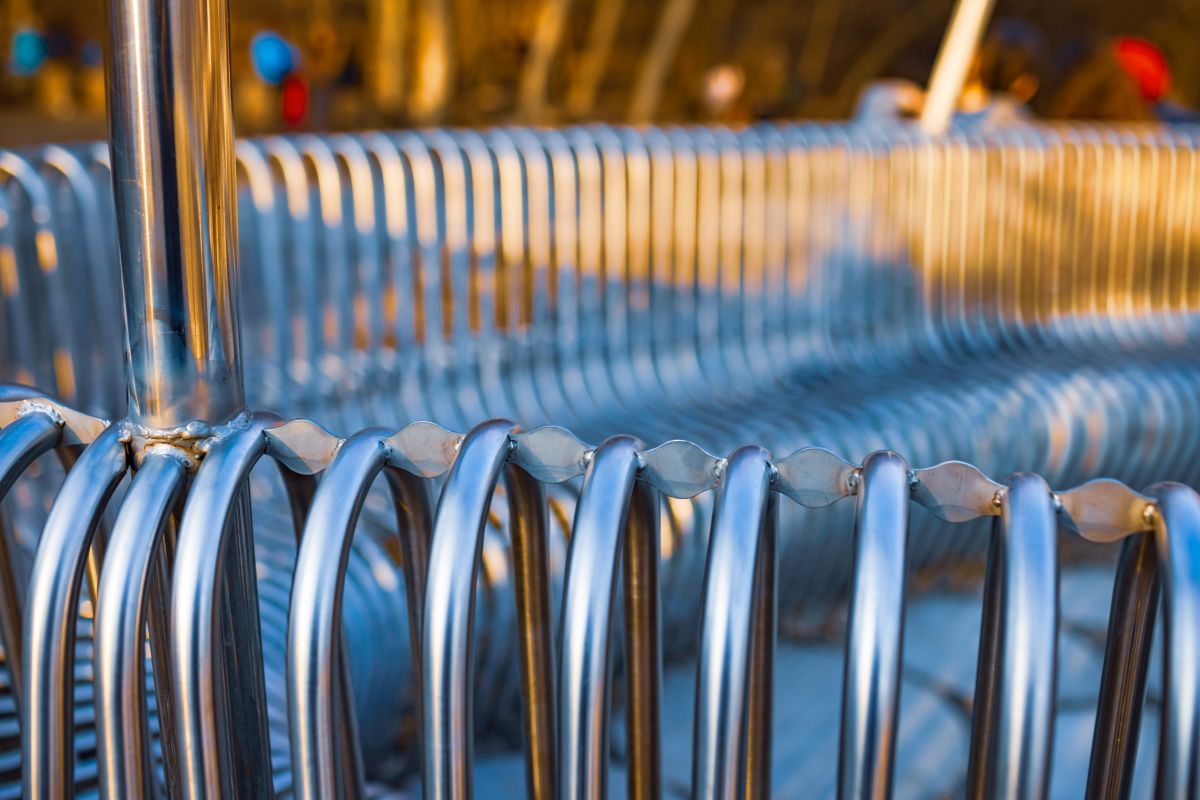
Beyond its chemical composition, the mechanical properties of galvanized coatings play a crucial role in preventing rust formation and ensuring the long-term durability of galvanized steel. These mechanical characteristics encompass a range of factors, including adhesion, hardness, and ductility, all of which contribute to the effectiveness of the protective coating.
One of the key mechanical properties of galvanized coatings is adhesion, which refers to the strength of the bond between the zinc layer and the steel substrate. Proper adhesion is essential for ensuring that the zinc coating remains securely attached to the steel surface, even under conditions of mechanical stress or thermal expansion. During the galvanization process, the steel is typically subjected to surface preparation techniques, such as degreasing and etching, to promote adhesion and enhance the bond between the zinc and steel.
The hardness of the galvanized coating also plays a critical role in preventing rust formation. A harder coating is more resistant to abrasion and physical damage, which can compromise its protective properties and expose the underlying steel to corrosion. By forming a durable and resilient barrier on the surface of the steel, the hard zinc coating effectively shields the steel from the corrosive effects of moisture, chemicals, and abrasion.
Furthermore, the ductility of the galvanized coating is essential for maintaining its integrity and effectiveness over time. Ductility refers to the ability of a material to deform without fracturing, allowing it to accommodate changes in shape or size without compromising its protective function. In the case of galvanized steel, the ductile nature of the zinc coating enables it to conform to the contours of the steel substrate and resist cracking or delamination, which could otherwise expose the underlying steel to corrosion.
Additionally, the thickness of the galvanized coating is a critical mechanical property that directly influences its rust-prevention capabilities. Thicker coatings provide greater protection against rust and can withstand more severe environmental conditions, such as exposure to corrosive chemicals or saltwater. The thickness of the zinc coating can be controlled during the galvanization process, allowing for customization based on the specific application requirements and environmental factors.
In summary, the mechanical properties of galvanized coatings, including adhesion, hardness, ductility, and thickness, collectively contribute to the rust-prevention capabilities of galvanized steel. By forming a strong, durable, and resilient barrier on the surface of the steel, galvanized coatings effectively shield the underlying steel from corrosion, ensuring its longevity and durability in a wide range of applications.
The Role of Zinc: Shielding Against Rust with Galvanized Steel
At the heart of galvanized steel's rust resistance lies the indispensable role of zinc, a metallic element renowned for its exceptional corrosion-resistant properties. Zinc serves as the primary component of galvanized coatings, forming a protective layer that shields the underlying steel from the deleterious effects of rust.
One of the key mechanisms by which zinc prevents rust formation is through sacrificial protection. Zinc is more reactive than iron, which means that when galvanized steel is exposed to corrosive elements such as moisture and oxygen, the zinc sacrificially corrodes instead of the steel substrate. This sacrificial corrosion process consumes the zinc atoms, preventing the formation of iron oxide (rust) on the surface of the steel.
Moreover, zinc has the remarkable ability to form stable oxide and hydroxide layers on its surface when exposed to air and water, respectively. These protective layers act as barriers, preventing further oxidation of the zinc metal and effectively sealing the underlying steel from corrosive attack. As a result, even if the outer layer of zinc is compromised, the formation of these protective barriers inhibits the progression of rust and extends the service life of the galvanized coating.
Additionally, zinc exhibits self-healing properties that further enhance its effectiveness in shielding against rust. When the zinc coating is scratched or damaged, zinc ions from adjacent areas migrate to the site of damage, forming a new protective layer that seals the exposed steel surface. This self-healing mechanism helps maintain the integrity of the galvanized coating and ensures continuous rust protection over time.
Furthermore, the presence of zinc in galvanized coatings can alter the electrochemical properties of the steel surface, making it more resistant to corrosion. By forming a stable electrochemical barrier, zinc minimizes the likelihood of corrosion initiation and propagation, even in aggressive environments.
In summary, zinc plays a multifaceted role in shielding against rust with galvanized steel. From sacrificial protection to the formation of protective oxide layers and self-healing mechanisms, zinc's corrosion-resistant properties make it an indispensable component of galvanized coatings. By harnessing the rust-prevention capabilities of zinc, galvanized steel offers unparalleled durability and longevity in a variety of applications.
Corrosion Mechanisms: Exploring How Galvanized Steel Defies Rust

To truly understand why galvanized steel stands strong against rust, it's essential to delve into the intricate mechanisms that govern corrosion and how galvanized coatings thwart its progression. Corrosion is a complex electrochemical process driven by the interaction of various factors, including moisture, oxygen, and electrolytes, with the metal surface. By comprehending these corrosion mechanisms, we can gain insight into how galvanized steel defies rust.
One of the primary corrosion mechanisms that galvanized steel counters is known as uniform corrosion, wherein the entire surface of the metal undergoes corrosion at a relatively uniform rate. In the case of galvanized steel, the sacrificial protection provided by the zinc coating plays a crucial role in preventing uniform corrosion. As zinc sacrificially corrodes in preference to the steel substrate, it effectively shields the underlying steel from widespread corrosion, prolonging its service life.
Another corrosion mechanism that galvanized steel combats is localized corrosion, which includes phenomena such as pitting corrosion and crevice corrosion. Pitting corrosion occurs when localized areas of the metal surface become depolarized, leading to the formation of pits or cavities. Galvanized coatings mitigate the risk of pitting corrosion by providing a uniform and continuous protective layer that inhibits the initiation and propagation of corrosion pits.
Similarly, crevice corrosion occurs in confined spaces or crevices where oxygen levels are depleted, creating an environment conducive to corrosion. Galvanized coatings help prevent crevice corrosion by sealing off potential crevices and providing a barrier against moisture and electrolytes, thereby minimizing the likelihood of localized corrosion initiation.
Furthermore, galvanized steel effectively counters galvanic corrosion, a form of corrosion that occurs when two dissimilar metals are in contact in the presence of an electrolyte. The sacrificial protection offered by the zinc coating ensures that any galvanic reactions preferentially occur at the surface of the zinc, rather than the steel substrate, thereby preserving the integrity of the galvanized coating.
Additionally, the formation of passive oxide layers on the surface of galvanized steel contributes to its corrosion resistance. These oxide layers act as barriers, preventing the diffusion of corrosive agents to the underlying steel and inhibiting further corrosion progression.
In summary, galvanized steel defies rust by effectively thwarting various corrosion mechanisms, including uniform corrosion, localized corrosion, galvanic corrosion, and the formation of passive oxide layers. Through sacrificial protection, barrier formation, and corrosion inhibition, galvanized coatings provide robust and long-lasting rust resistance, ensuring the durability and integrity of steel structures in diverse applications.
Environmental Factors: How Galvanized Steel Holds Up Against Rust in Different Conditions
Galvanized steel's resilience against rust is put to the test in various environmental conditions, from humid coastal regions to industrial settings with corrosive chemicals. Understanding how galvanized steel holds up against rust in different environments requires a nuanced exploration of the factors at play, including moisture levels, atmospheric pollutants, temperature variations, and exposure to corrosive substances.
In humid environments, where moisture levels are high and the risk of corrosion is elevated, galvanized steel demonstrates its robust rust resistance. The protective zinc coating acts as a barrier, preventing moisture from reaching the underlying steel substrate and initiating corrosion. Additionally, the sacrificial properties of zinc ensure that any corrosion that does occur preferentially targets the zinc coating rather than the steel, thereby preserving the structural integrity of the galvanized steel.
Coastal regions present unique challenges due to the presence of saltwater spray, which can accelerate corrosion processes. Galvanized steel is well-suited to withstand the corrosive effects of saltwater, thanks to its sacrificial protection and barrier properties. The zinc coating forms a durable shield against saltwater ingress, minimizing the risk of rust formation even in harsh coastal environments.
Industrial settings pose additional challenges for corrosion resistance, with exposure to corrosive chemicals, pollutants, and extreme temperatures. Galvanized steel excels in such environments, thanks to its versatile rust-prevention capabilities. The zinc coating provides effective protection against chemical corrosion, forming stable oxide layers that resist the corrosive effects of acids, alkalis, and other industrial pollutants. Moreover, the thermal stability of galvanized coatings ensures that they retain their protective properties even at high temperatures, making galvanized steel a reliable choice for industrial applications.
Furthermore, galvanized steel demonstrates exceptional resistance to atmospheric pollutants, such as sulfur dioxide and nitrogen oxides, which can accelerate corrosion processes. The zinc coating acts as a barrier, preventing the ingress of pollutants and minimizing their impact on the underlying steel substrate. This protection is particularly valuable in urban environments with high levels of air pollution, where the risk of corrosion is heightened.
In summary, galvanized steel's ability to hold up against rust in different environmental conditions stems from its versatile rust-prevention mechanisms. Whether facing high humidity, saltwater exposure, industrial pollutants, or atmospheric contaminants, galvanized steel remains steadfast in its corrosion resistance, ensuring the longevity and durability of steel structures in diverse settings.
Longevity and Durability: Galvanized Steel's Battle Against Rust Over Time
One of the hallmark characteristics of galvanized steel is its exceptional longevity and durability in the face of rust. Galvanized coatings are renowned for their ability to withstand the ravages of time, weather, and environmental exposure, ensuring that steel structures remain rust-free and structurally sound for extended periods.
The longevity of galvanized steel can be attributed to the robustness of its protective zinc coating, which forms a durable barrier against corrosion. Unlike other rust-prevention methods that may degrade over time, galvanized coatings offer long-lasting protection that remains effective even as the steel ages. This inherent durability makes galvanized steel a preferred choice for applications where longevity and minimal maintenance are paramount.
Furthermore, galvanized steel's resistance to rust is not just a temporary shield but a long-term solution that withstands the test of time. The sacrificial properties of zinc ensure that the protective coating continues to provide effective rust protection even as it gradually wears away through natural weathering or exposure to environmental factors. As the zinc sacrificially corrodes to protect the underlying steel substrate, it extends the service life of the galvanized coating and maintains the structural integrity of the steel over time.
Moreover, galvanized steel exhibits excellent resistance to mechanical damage, abrasion, and impact, further enhancing its durability in real-world applications. Whether subjected to harsh weather conditions, heavy loads, or abrasive forces, galvanized steel maintains its rust-resistant properties and structural strength, ensuring reliable performance in a wide range of environments.
The durability of galvanized steel is also evident in its resistance to UV radiation, which can degrade unprotected surfaces over time. The zinc coating provides a protective barrier against UV exposure, preventing premature degradation and ensuring that the steel retains its integrity and appearance over the years.
In summary, galvanized steel's longevity and durability in the battle against rust are a testament to the effectiveness of its protective coatings. By offering long-lasting rust protection, resistance to mechanical damage, and resilience to environmental factors, galvanized steel stands as a durable and reliable choice for a variety of applications, from infrastructure and construction to automotive and industrial settings.
Maintenance Tips: Preserving Galvanized Steel's Rust-Resistant Properties
While galvanized steel is renowned for its robust rust-resistant properties, proper maintenance is essential to ensure its longevity and effectiveness over time. By following a few simple maintenance tips, you can preserve the rust-resistant properties of galvanized steel and prolong its service life for years to come.
First and foremost, regular inspection of galvanized steel structures is key to identifying any signs of corrosion or damage early on. Inspect the surface of the steel for any scratches, chips, or areas where the zinc coating may have been compromised. Promptly addressing any damage can prevent corrosion from spreading and maintain the integrity of the protective coating.
In addition to visual inspections, it's important to keep galvanized steel clean and free from contaminants that may accelerate corrosion. Regularly remove dirt, debris, and other foreign substances from the surface of the steel using a mild detergent and water solution. Avoid harsh chemical cleaners or abrasive materials that could damage the zinc coating.
Furthermore, ensure proper drainage and ventilation around galvanized steel structures to prevent the accumulation of standing water or moisture, which can promote corrosion. Clear debris from gutters, downspouts, and drainage channels to allow water to flow freely away from the steel surface. Proper ventilation helps to reduce humidity levels and minimize the risk of corrosion in enclosed or poorly ventilated spaces.
Another important maintenance practice is to avoid prolonged contact between galvanized steel and incompatible materials that may accelerate corrosion. For example, avoid using galvanized steel in direct contact with materials such as copper, brass, or treated wood, as these can cause galvanic corrosion. Use appropriate insulating materials or coatings to prevent direct contact between dissimilar metals.
Additionally, periodic application of a protective coating, such as a zinc-rich paint or epoxy primer, can provide an extra layer of protection for galvanized steel in particularly harsh environments or high-traffic areas. These coatings can help to seal any minor imperfections in the zinc coating and extend the service life of the galvanized steel.
Lastly, regular maintenance and touch-up of damaged or worn areas of the zinc coating can help to ensure continuous rust protection. Use zinc-rich paint or galvanizing repair compounds to patch small areas of damage and prevent corrosion from spreading. Properly applied touch-up coatings can blend seamlessly with the existing galvanized surface and maintain the rust-resistant properties of the steel.
In summary, proper maintenance is essential for preserving the rust-resistant properties of galvanized steel and maximizing its service life. By following these maintenance tips, you can ensure that galvanized steel structures remain durable, reliable, and free from corrosion for years to come.
Real-World Applications: Industries Benefiting from Galvanized Steel's Rust Protection
Galvanized steel's exceptional rust protection properties make it a highly sought-after material across a diverse range of industries, where durability, longevity, and corrosion resistance are paramount. Let's explore some real-world applications where galvanized steel plays a crucial role in safeguarding infrastructure, equipment, and structures from the ravages of rust.
Construction and Infrastructure: In the construction industry, galvanized steel is widely used for structural components, roofing, siding, and fencing. Its robust rust resistance ensures that buildings, bridges, highways, and other infrastructure projects remain durable and structurally sound, even in harsh environmental conditions.
Automotive Manufacturing: Galvanized steel is a preferred material for automotive body panels, chassis components, and undercarriage parts due to its rust-resistant properties. By incorporating galvanized steel into vehicle manufacturing, automotive manufacturers can enhance the longevity and reliability of their products, particularly in regions prone to road salt and moisture exposure.
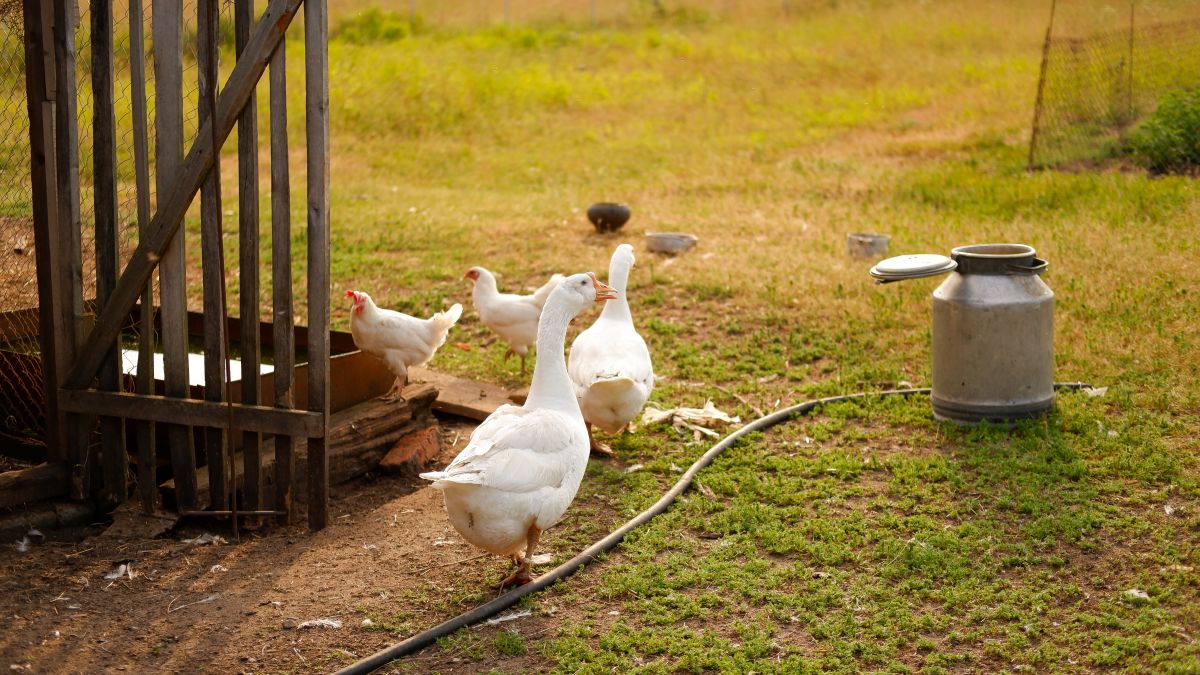
Agriculture and Farming: Galvanized steel finds extensive use in agricultural equipment and machinery, such as grain bins, silos, fences, and livestock enclosures. Its rust resistance makes it well-suited to withstand outdoor exposure to moisture, humidity, and corrosive agricultural chemicals, ensuring the durability and longevity of farm infrastructure.
Marine and Offshore Industries: In maritime and offshore applications, galvanized steel is indispensable for marine structures, shipbuilding, offshore platforms, and seawater pipelines. Its ability to withstand saltwater exposure and harsh marine environments makes it an ideal choice for marine construction projects, where corrosion resistance is critical.
Utility and Infrastructure: Galvanized steel is widely utilized in utility poles, transmission towers, street lighting poles, and other utility infrastructure. Its rust-resistant properties ensure the reliability and longevity of utility structures, even in areas prone to high humidity, coastal salt spray, or industrial pollution.
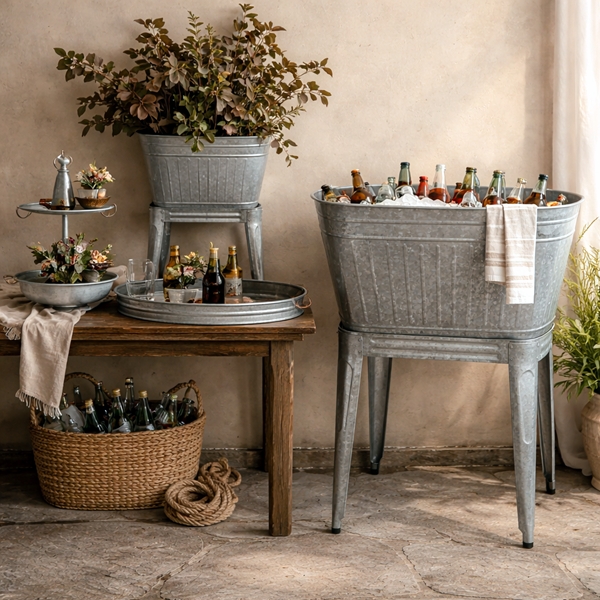
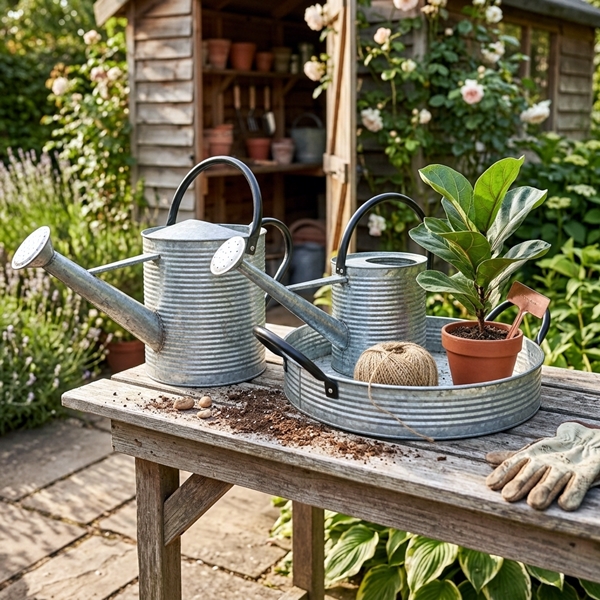
Outdoor Furniture and Recreation: Galvanized steel is a popular choice for outdoor furniture, playground equipment, park benches, and sports facilities due to its durability and weather resistance. Its ability to withstand exposure to rain, snow, and UV radiation makes it an ideal material for outdoor applications where rust protection is essential.
Industrial Manufacturing: Galvanized steel is extensively used in industrial manufacturing processes, including HVAC systems, ductwork, storage tanks, and machinery components. Its corrosion resistance and mechanical properties make it well-suited for demanding industrial environments, where exposure to chemicals, moisture, and abrasive materials is common.
In summary, galvanized steel's rust protection properties make it indispensable across a wide range of industries, where durability, longevity, and corrosion resistance are paramount. From construction and automotive manufacturing to agriculture, marine, utility, and industrial sectors, galvanized steel plays a crucial role in safeguarding infrastructure, equipment, and structures from the destructive effects of rust, ensuring reliability and longevity in diverse real-world applications.
Conclusion
In conclusion, the science behind galvanized steel's unparalleled resistance to rust is truly remarkable. From its sacrificial protection provided by zinc coatings to its robust mechanical properties and versatile applications across various industries, galvanized steel stands as a testament to innovation and durability. By understanding the mechanisms that govern rust formation and the protective capabilities of galvanized coatings, we can appreciate the enduring value that galvanized steel brings to countless projects and structures worldwide. With proper maintenance and adherence to best practices, galvanized steel offers not just rust prevention, but peace of mind, reliability, and longevity. Embrace the power of galvanized steel and safeguard your investments against the corrosive forces of nature – because when it comes to rust protection, galvanized steel stands strong, today and for generations to come.
FAQ
Q: How does galvanized steel resist rust?
A: Galvanized steel resists rust through a process called galvanization, where a layer of zinc is applied to the steel surface. The zinc coating acts as a sacrificial anode, corroding preferentially to protect the underlying steel from rust formation.
Q: What is the difference between galvanized steel and untreated steel in terms of rust resistance?
A: Galvanized steel has a protective zinc coating that provides superior rust resistance compared to untreated steel, which lacks any protective coatings and is highly susceptible to corrosion.
Q: How long does galvanized steel last before it starts to rust?
A: The lifespan of galvanized steel depends on various factors such as environmental conditions, exposure to corrosive substances, and maintenance practices. In general, properly maintained galvanized steel can last for several decades before showing signs of rust.
Q: Can galvanized steel rust if the zinc coating is damaged?
A: Yes, if the zinc coating on galvanized steel is damaged or compromised, the underlying steel substrate may be exposed to corrosion. However, the sacrificial protection provided by the zinc coating helps to minimize rust formation even in areas of damage.
Q: What are the common applications of galvanized steel?
A: Galvanized steel is used in a wide range of applications, including construction (roofing, siding, structural components), automotive manufacturing (body panels, chassis components), agriculture (grain bins, fencing), marine and offshore structures, utility infrastructure, and industrial manufacturing.
Q: Does galvanized steel require maintenance to prevent rust?
A: While galvanized steel is highly resistant to rust, regular inspection and maintenance can help prolong its lifespan and effectiveness. This may include visual inspections for damage, cleaning to remove debris, and touch-up coating applications to repair any areas of damage to the zinc coating.
Q: Can galvanized steel be painted?
A: Yes, galvanized steel can be painted after proper surface preparation. However, it's important to choose a paint compatible with galvanized surfaces and to ensure that the zinc coating is clean and free from contaminants before painting.
Q: Is galvanized steel environmentally friendly?
A: Galvanized steel is considered environmentally friendly due to its durability, recyclability, and long lifespan. The zinc coating used in galvanization is non-toxic and can be recycled, reducing the environmental impact of steel production.
Q: How does galvanized steel perform in different environmental conditions?
A: Galvanized steel performs well in a variety of environmental conditions, including high humidity, coastal regions, industrial settings, and outdoor exposure. Its rust-resistant properties make it suitable for use in diverse applications and climates.
Q: What are the factors that can affect the rust resistance of galvanized steel?
A: Factors such as exposure to moisture, oxygen levels, temperature variations, chemical pollutants, and mechanical damage can affect the rust resistance of galvanized steel. Proper maintenance and environmental considerations are important for preserving its protective properties.
Are Bamboo Lids Worth It? Weighing the Pros and Cons
Unlocking the Truth: Is Galvanized Steel Truly Food Safe?
Related blog