image
    Member Center
    Exit
    Data is empty
    0
    Home Blog Blog Flower Arrangement Basics: Essential Tips for Materials, Vessels, and Color Matching
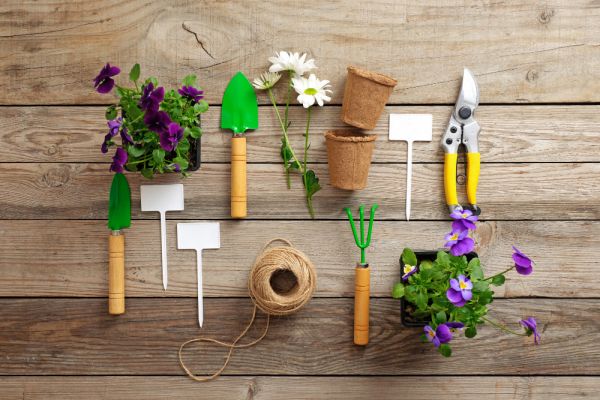
    Flower Arrangement Basics: Essential Tips for Materials, Vessels, and Color Matching

    how to select flower pot

    In the art of flower arranging, basic knowledge determines the style and effect of the work. Mastering the selection of flowers, the choice of vessels and the color scheme is the key to creating harmonious and beautiful flower arrangements.

    1. Selection of Flower Materials

    The centerpiece of a flower arrangement is the selection of the flower material, and different flower materials can convey very different emotions and styles. Flower material not only refers to the flowers themselves, but also includes branches, leaves, fruits, vines and other elements.

    Flowers: common flower materials include roses, lilies, carnations, tulips, chrysanthemums and so on. Each type of flower has its own unique form and symbolism. For example, roses represent love, lilies symbolize purity, and carnations express motherly love and warmth. When choosing flowers, you can decide on the type and number of flowers based on the occasion, theme or personal feelings. Large flower heads such as peonies and sunflowers are suitable as visual centers, while small and delicate flowers such as forget-me-nots and asters can serve as fillers and add layers to the work.
    Foliage: foliage, as an auxiliary material in a flower arrangement, not only fills the space, but also adds a natural texture and sense of flow to the piece. Common foliage materials include ferns, eucalyptus leaves, and eucalyptus. Rough branches and leaves can add a sense of wildness and strength to the work, while soft and delicate leaves can bring a sense of tenderness and delicacy.
    Fruits and Vines: Fruits such as berries and pine cones are not to be ignored as accent elements in flower arrangements, they add a sense of seasonality and interest to the work. Vines such as ivy and loofah can give a sense of movement and natural extension to a flower arrangement, which is especially suitable for natural style flower arrangements.

    2. Selection of vessels

    The choice of vessels is a crucial part of flower arrangement, which directly affects the overall style and performance of the work. Vessels are not only containers for flowers, but also an important part of the composition and style of the work.

    Vases: Vases are one of the most common vessels used in flower arranging and come in a variety of materials, shapes and heights. Tall, narrow vases are suitable for long-stemmed flowers, such as lilies and orchids, to emphasize the vertical lines of the flowers. Round vases are suitable for full, fluffy bouquets, such as roses or sunflowers, and can create soft curves and an even layout. Clear glass vases allow the beauty of branches in water to show through, and are suitable for expressing a fresh, minimalist style.
    Bowl Shaped Vessels: Bowl or shallow dish shaped containers are often used for more low profile flower arrangements, such as the Eastern art of flower arranging. This type of vessel helps to show the wide spread and soothing nature of the flowers, and is suitable for short-stemmed flowers or designs that extend horizontally, such as chrysanthemums and tulips. Shallow saucer arrangements are also often used in conjunction with tools that hold the flowers in place, such as kensho or floral clay, allowing the flowers to be presented at a stable angle.
    Special Containers: Special containers such as teapots, baskets, and terra cotta pots are often used to create unique artistic effects that are suitable for holiday or themed flower arrangements. Unlike traditional vases, these irregular containers can make a flower arrangement appear more interesting and personalized. For example, using an antique teapot as a container can lend a vintage flair to a flower arrangement, while baskets lend themselves to a rustic design.

    3. Color matching

    Color matching is the soul of a flower arrangement, which determines the visual effect and emotional expression of the work. Mastering color theory can help flower arrangers achieve better balance and harmony in their creations.

    Adjacent and Analogous Color Matching: Adjacent colors are similar colors on the color wheel, such as red and orange, blue and violet. This type of color matching creates harmony and softness, and gives people a sense of peace and unity. Adjacent color matching is suitable for the expression of natural, warm atmosphere, such as weddings, family gatherings and other occasions common such matching. Analogous color matching, on the other hand, is to choose different shades of colors in the same color scheme, which can make the work appear more layered.
    Contrasting and Complementary Color Matching: Contrasting colors are two colors opposite each other on the color wheel, such as red and green, yellow and purple. Contrasting color matching can bring a strong sense of visual impact and is suitable for occasions such as festivals or celebrations to create an active and vibrant atmosphere. Complementary color matching refers to the use of two colors that complement each other, such as red and green, they can set each other off and make the colors in the work more vivid and expressive.
    Balance and Blending of Colors: In flower arranging, balancing colors is key. The distribution of colors needs to take into account the center of visual gravity, avoiding too much concentration of a particular color or excessive jumping off. By combining bright colors with neutrals, such as white, grey, green, etc., you can neutralize the clash of colors and make the work appear more harmonious. The blending of colors also involves changes in the texture of the flower material. Smooth petals, soft branches and leaves, and rough fruits can be contrasted and blended to bring about a richer visual effect.

    Color is not just a visual experience, it is also closely related to emotion and atmosphere. Soft color combinations can convey warmth and serenity, while bright color contrasts can inspire energy and passion. The use of color in flower arranging needs to be adapted to the theme, occasion and personal preference to achieve the best visual and emotional effect.

    Release time: 2024-09-12

    Mastering the Art of Flower Arrangement: Step-by-Step Guide

    The Art of Flower Arrangement: Enhancing Home, Celebrations, and Healing the Soul

    Related blog
    2026-07-23 |Vicky
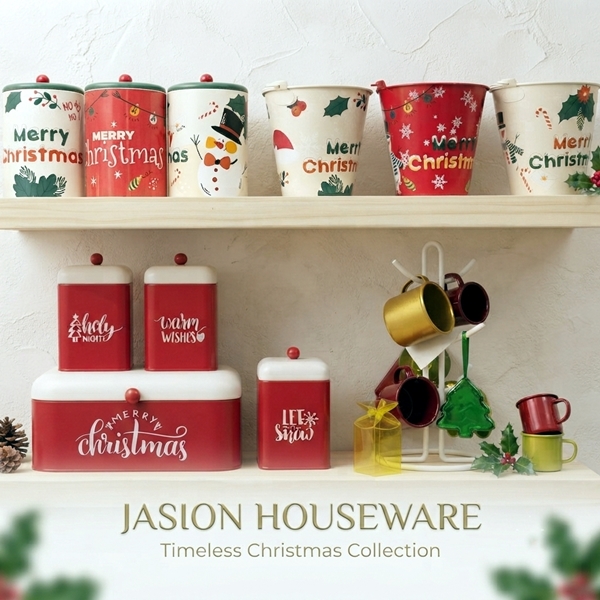
    Christmas Entertaining in Style: Festive Tablescapes with Metal Partyware
    2026-06-26 |Vicky Yuen
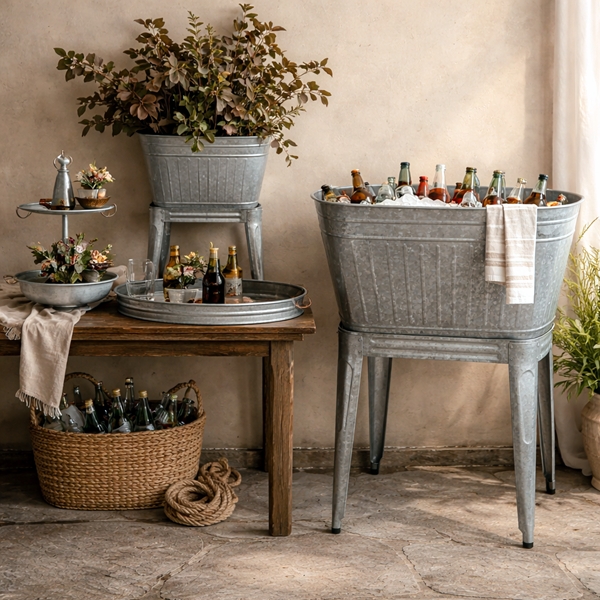
    Summer BBQ & Outdoor Party Essentials: Why Metal Drink Tubs Beat Plastic Coolers
    2026-06-25 |Vicky Yuen
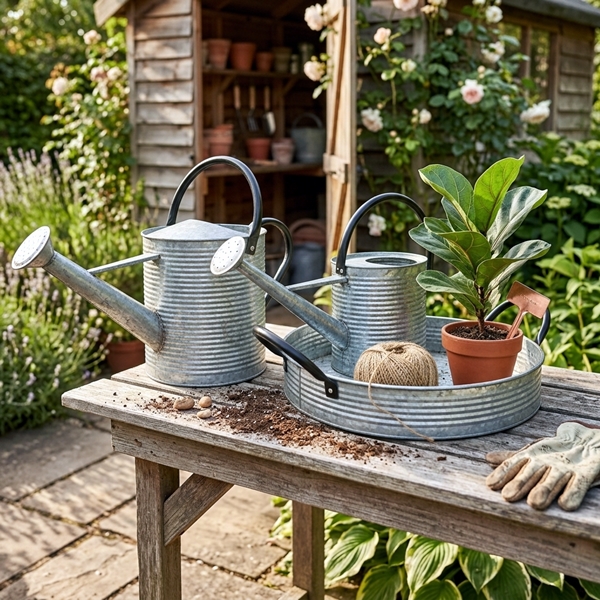
    The Perfect Watering Can:A Complete Guide to Choosing, Using & Styling
    2026-06-22 |Vicky Yuen
    Kitchen Organization 101: Transform Your Kitchen with Smart Storage Solutions

    Home

    Products

    OEM

    News

    About Us

    FAQ

    Send Inquiry

    Design Resources

    Products

      • - Kitchen

      • - Garden

      • - Household

      • - Decoration

      • - Outdoor party

      • - Pet

      • - Festival

      • - Other

    Contact us

    Tel: 86-750-6610848

    Fax: 86-750-6610809

    E-mail: info@jasioncrafts.com

    Address: 7/F, Tower 1, No.1 Huimin East, Xinhui District, Jiangmen City, Guangdong, CHINA

    SiteMap

    ©2008 - 2022Jasion houseware All rights reserved

    (218747)
    0