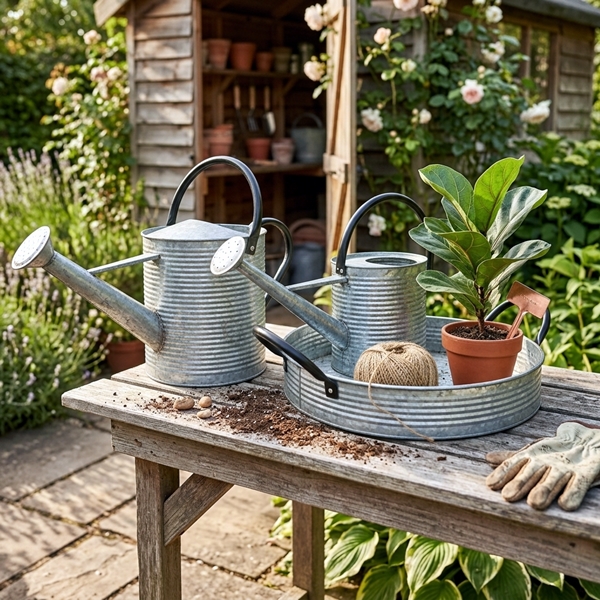
Sprinkle, Sprout, Shine: Insider Secrets for Garden Watering Mastery
Garden watering is a fundamental aspect of plant care, yet mastering this skill requires a nuanced understanding of plant needs, environmental factors, and watering techniques. In this comprehensive guide, we delve into the art and science of garden watering, offering insider secrets and expert tips to help gardeners achieve watering mastery. From selecting the right watering can to adjusting watering schedules based on seasonal changes, each tip is designed to promote healthy plant growth, conserve water, and create thriving garden spaces. By implementing these strategies, gardeners can cultivate lush, vibrant gardens that bring joy and beauty to outdoor spaces, while fostering a deeper connection with nature.
- Water deeply and infrequently to encourage strong root growth.
- Use a watering can with a narrow spout to deliver water directly to the base of plants.
- Water in the early morning or late evening to minimize water loss to evaporation.
- Monitor soil moisture regularly and adjust your watering schedule accordingly.
- Mulch around garden plants to retain soil moisture and reduce water evaporation.
- Group plants with similar water needs together to simplify watering routines.
- Consider using drip irrigation or soaker hoses for efficient water delivery.
- Collect and store rainwater for later use in watering your garden.
- Adjust your watering routine based on seasonal weather patterns and plant needs.
- Avoid watering during or immediately after rainfall to prevent waterlogging.
Proper Watering Techniques for Different Plant Types

Proper watering techniques are essential for maintaining the health and vitality of your garden, but it's important to understand that different plant types have varying water requirements. By tailoring your watering approach to the specific needs of each plant, you can ensure optimal growth and flourishing foliage throughout your garden.
1. Flowering Plants: Flowering plants often require consistent moisture to produce vibrant blooms. However, overwatering can lead to root rot and other issues. For flowering plants, such as roses or petunias, it's best to water deeply but infrequently, allowing the soil to dry out slightly between waterings. This encourages strong root development and helps prevent waterlogged soil.
2. Vegetables and Herbs: Vegetables and herbs typically thrive in evenly moist soil, but they can be sensitive to both underwatering and overwatering. When watering vegetables and herbs, aim to keep the soil consistently moist but not waterlogged. Mulching around the base of plants can help retain soil moisture and reduce the frequency of watering.
3. Succulents and Cacti: Succulents and cacti are adapted to arid environments and have specialized water storage tissues that allow them to survive drought conditions. These plants prefer well-draining soil and are susceptible to root rot if overwatered. When watering succulents and cacti, allow the soil to dry out completely between waterings, and water sparingly, aiming to saturate the soil without causing standing water.
4. Shrubs and Trees: Shrubs and trees have deep root systems that require thorough watering to reach. When watering shrubs and trees, it's important to provide deep, slow watering to encourage deep root growth. Watering at the base of the plant rather than on the foliage helps minimize evaporation and ensures that the water reaches the roots where it's needed most.
5. Annuals vs. Perennials: Annuals and perennials have different water requirements based on their lifespan and growth habits. Annuals typically have shallow root systems and may require more frequent watering to maintain consistent moisture levels. Perennials, on the other hand, often have deeper root systems and may be more drought-tolerant once established. Adjust your watering frequency accordingly based on the specific needs of each plant type.
Timing Matters: When and How Often to Water Your Garden
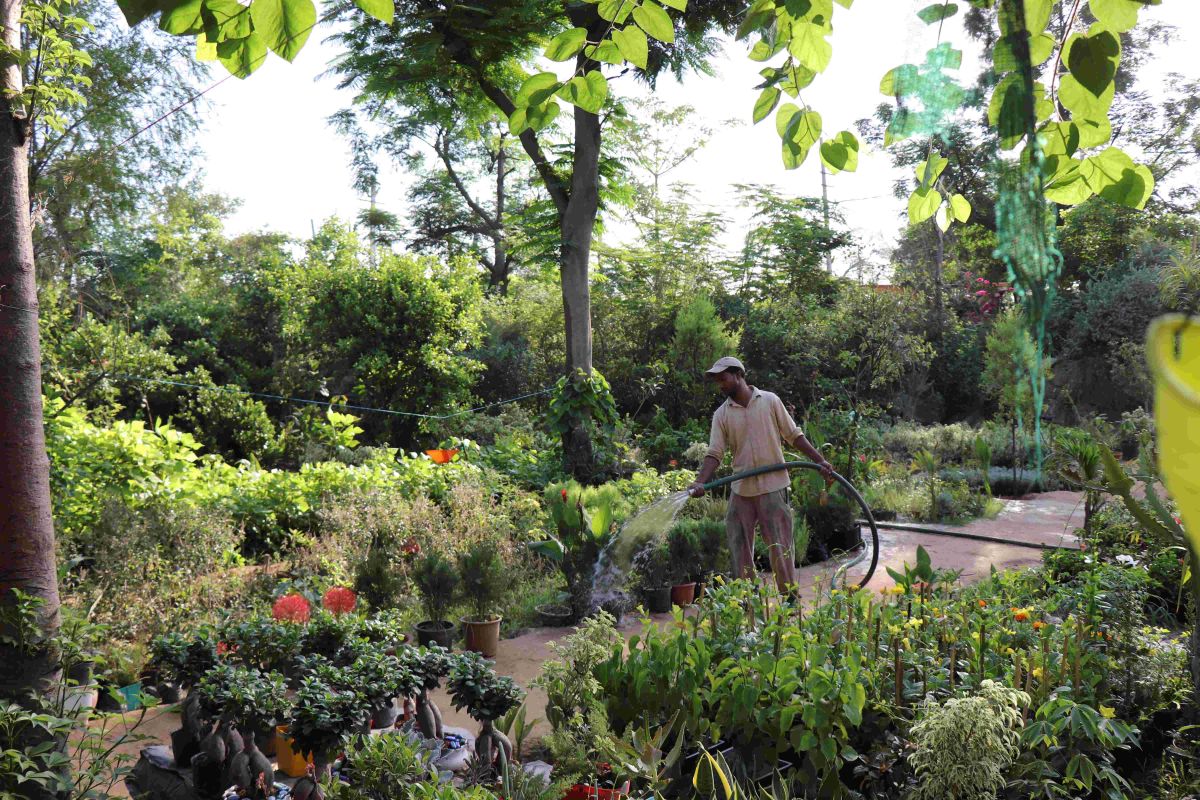
Timing plays a crucial role in the success of your garden watering routine, as well as the frequency with which you water your garden. By understanding the optimal timing and frequency for watering, you can ensure that your plants receive the moisture they need to thrive without the risk of overwatering or underwatering.
1. Morning Watering: One of the best times to water your garden is in the morning, preferably before the sun is at its peak. Watering in the morning allows the moisture to penetrate the soil and reach the roots before the heat of the day causes evaporation. This helps plants withstand the heat and stress of the afternoon sun while also minimizing the risk of fungal diseases, as foliage has time to dry before nightfall.
2. Avoiding Midday Watering: It's generally advisable to avoid watering your garden during the hottest part of the day, typically between late morning and early afternoon. Watering during this time can lead to rapid evaporation, resulting in water loss and inefficient absorption by the plants' roots. Additionally, water droplets on foliage can act as magnifying lenses, potentially causing sunburn and damage to plant tissues.
3. Evening Watering: While morning watering is optimal, watering in the evening can also be effective, especially during hot summer months. Evening watering allows plants to replenish moisture lost during the day and prepares them for the cooler nighttime temperatures. However, it's essential to water earlier in the evening to ensure that foliage has time to dry before nightfall, reducing the risk of fungal diseases.
4. Frequency of Watering: The frequency of watering your garden depends on several factors, including soil type, weather conditions, and plant species. Generally, it's best to water deeply and less frequently rather than shallowly and frequently. Deep watering encourages strong root growth as roots are encouraged to grow deeper in search of moisture. Aim to water your garden when the top few inches of soil feel dry to the touch, but be mindful of overwatering, which can lead to waterlogged soil and root rot.
5. Observing Plant Needs: Pay attention to the signs of water stress in your plants, such as wilting, drooping foliage, or dry soil. These indicators can help you determine when it's time to water your garden. Additionally, certain plants may have specific water requirements based on their species, stage of growth, and environmental conditions. By observing your plants closely and adjusting your watering schedule accordingly, you can ensure that each plant receives the right amount of moisture to thrive.
The Importance of Watering Consistency for Plant Health

Maintaining consistency in watering practices is paramount for ensuring the overall health and vitality of your garden plants. While it may seem like a simple task, fluctuations in watering frequency or intensity can have significant consequences on plant growth, development, and resilience.
1. Root Development: Consistent watering promotes healthy root development in garden plants. When plants receive a steady supply of moisture, roots are encouraged to grow deep into the soil in search of water and nutrients. Deep roots provide plants with greater stability and access to water during periods of drought, helping them withstand environmental stressors and thrive in various conditions.
2. Nutrient Uptake: Water is essential for transporting nutrients from the soil to the various parts of the plant, including leaves, stems, and flowers. Inconsistent watering can disrupt this process, leading to nutrient deficiencies and reduced plant health. By maintaining consistent moisture levels in the soil, you ensure that plants have access to the nutrients they need for robust growth and development.
3. Stress Reduction: Fluctuations in soil moisture levels can stress garden plants, making them more susceptible to diseases, pests, and environmental stressors. When plants experience periods of drought followed by excessive watering or vice versa, their physiological processes are disrupted, leading to stunted growth, wilting, and leaf drop. Consistent watering helps minimize stress on plants, allowing them to focus their energy on healthy growth and defense mechanisms.
4. Flowering and Fruit Production: Many flowering plants and fruit-bearing crops rely on consistent moisture to produce blooms and fruits. Inconsistent watering can disrupt the flowering and fruiting cycles, leading to reduced yields and poor-quality produce. By providing a steady supply of water, you can ensure that plants have the resources they need to produce abundant blooms and fruits, enhancing the overall aesthetic and productivity of your garden.
5. Disease Prevention: Consistent watering practices also play a crucial role in disease prevention. Overwatering can create damp, humid conditions that are conducive to fungal diseases such as powdery mildew and root rot, while underwatering can weaken plants and make them more susceptible to infections. By maintaining consistent moisture levels in the soil and avoiding extremes in watering, you can help create an environment that is less favorable for disease development.
Avoiding Common Watering Mistakes: Pitfalls to Watch Out For
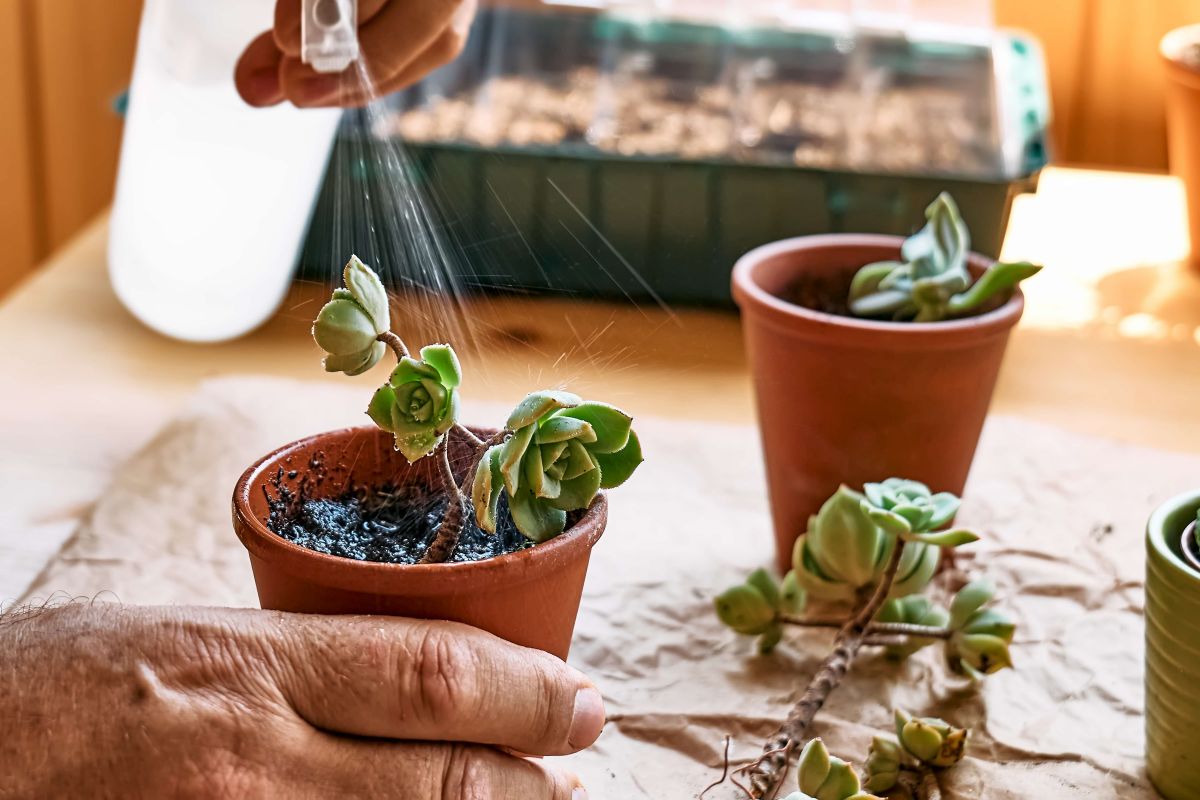
Avoiding common watering mistakes is essential for maintaining the health and vitality of your garden. While watering may seem like a straightforward task, there are several pitfalls that gardeners often encounter, which can negatively impact plant growth and overall garden success. By being aware of these mistakes and taking proactive steps to avoid them, you can ensure that your garden thrives and flourishes.
1. Overwatering: One of the most common watering mistakes is overwatering. When plants receive more water than they need, it can lead to waterlogged soil, suffocated roots, and increased susceptibility to diseases such as root rot. Signs of overwatering include wilting, yellowing leaves, and the presence of fungus or mold on the soil surface. To avoid overwatering, it's essential to water plants only when necessary and to allow the soil to dry out slightly between waterings.
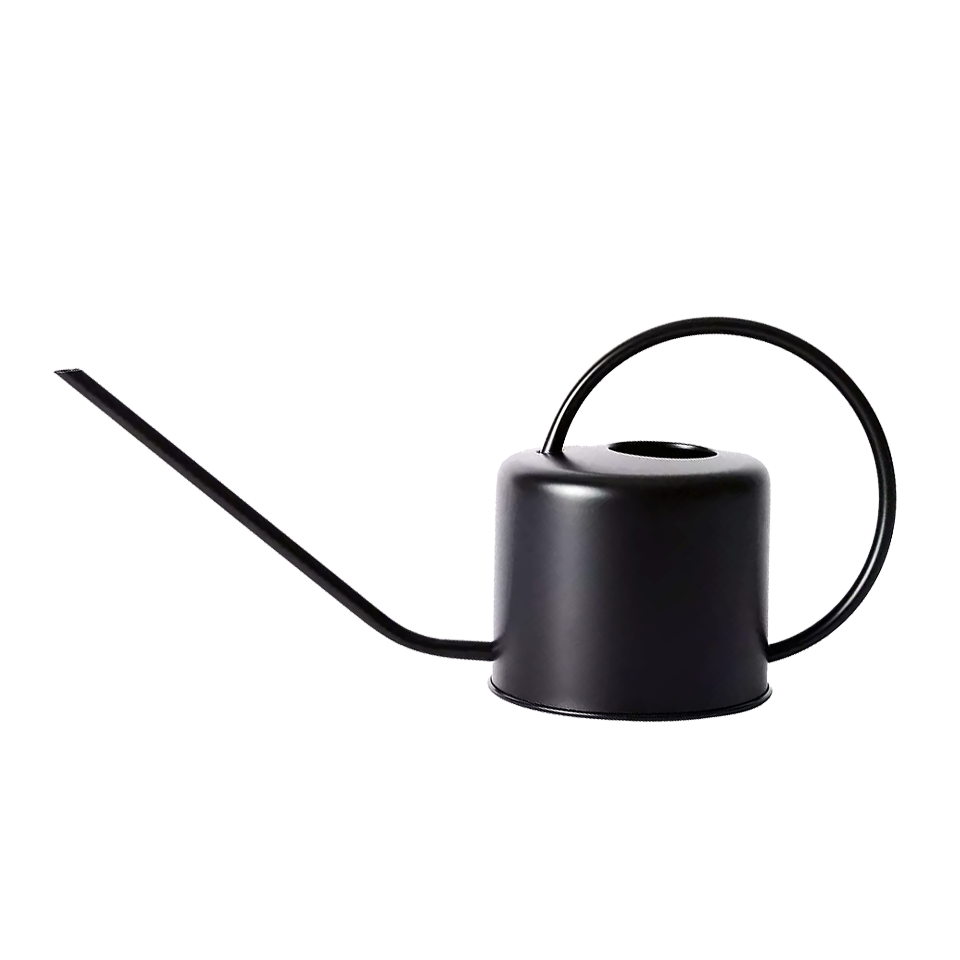
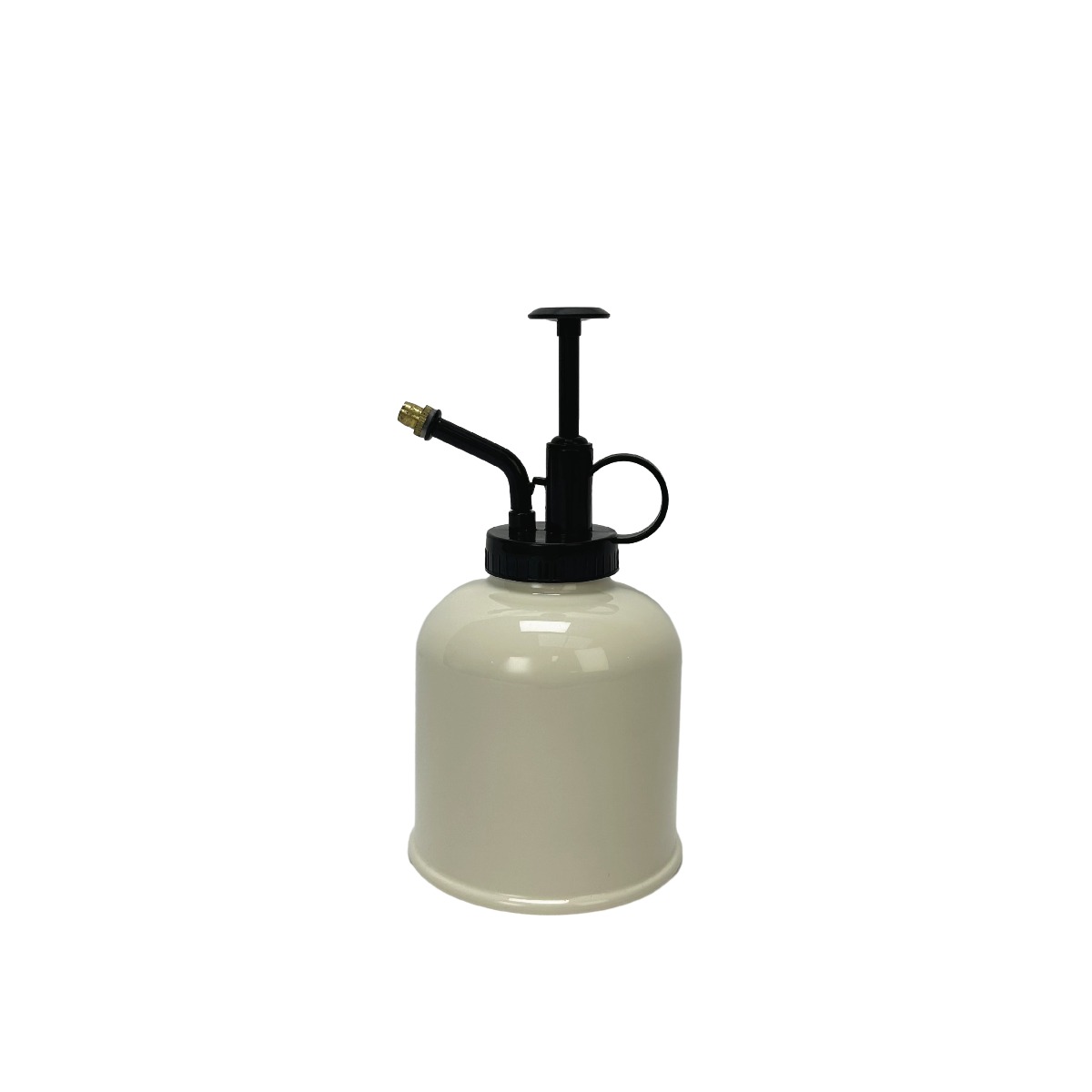
2. Underwatering: On the flip side, underwatering can also be detrimental to plant health. When plants don't receive enough water, they may become stressed, wilted, and prone to damage from pests and diseases. Signs of underwatering include drooping leaves, dry, crumbly soil, and slowed growth. To prevent underwatering, it's important to monitor soil moisture levels regularly and water plants thoroughly when needed, especially during hot, dry weather.
3. Inconsistent Watering: Inconsistent watering can disrupt plant growth and development, leading to uneven growth and reduced yields. Fluctuations in soil moisture levels can also stress plants and make them more susceptible to pests, diseases, and environmental stressors. To avoid inconsistent watering, establish a regular watering schedule based on the needs of your plants and monitor soil moisture levels closely. Consider using mulch to help retain soil moisture and reduce water evaporation.
4. Watering at the Wrong Time: Timing is crucial when it comes to watering your garden. Watering during the hottest part of the day can result in rapid evaporation and water loss, while watering in the evening can create damp conditions that promote fungal diseases. The best time to water your garden is in the morning, before the sun is at its peak. This allows the moisture to penetrate the soil and reach the roots before the heat of the day sets in.
5. Watering the Foliage: Watering the foliage instead of the soil can lead to wasted water and increased risk of fungal diseases. Wet foliage can also act as a magnifying glass, causing sunburn and damage to plant tissues. When watering your garden, aim to water at the base of the plants, directing the water towards the soil rather than the leaves. This helps ensure that water reaches the roots where it's needed most.
Rainwater Harvesting: Utilizing Garden Watering Cans for Sustainability
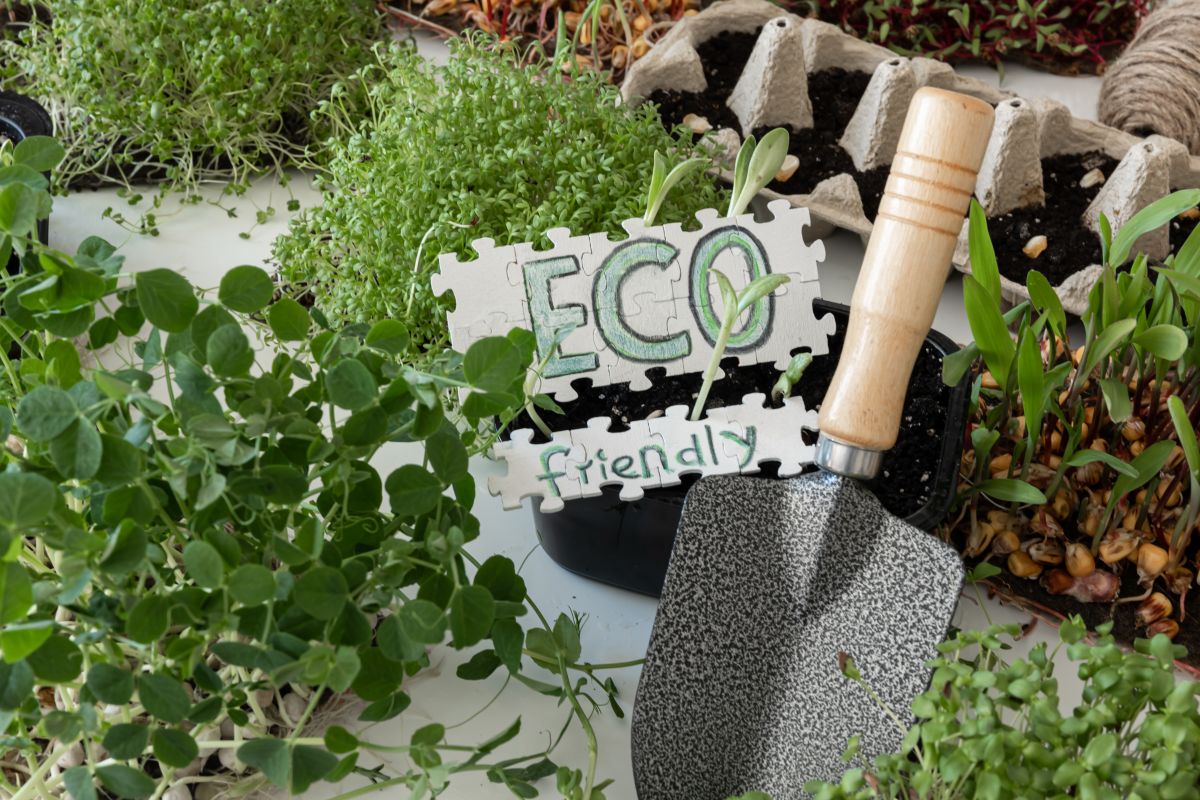
Rainwater harvesting is a sustainable practice that involves collecting and storing rainwater for later use in watering gardens, landscapes, and other outdoor spaces. By harnessing nature's free and abundant resource, gardeners can reduce their reliance on municipal water supplies, conserve water, and promote environmental sustainability. Utilizing garden watering cans for rainwater harvesting offers a practical and eco-friendly solution for watering plants while minimizing water waste.
1. Collection Systems: Rainwater harvesting systems typically consist of collection surfaces, such as rooftops or gutters, that channel rainwater into storage containers or tanks. Gardeners can set up rain barrels or cisterns to collect and store rainwater for later use. These containers can range in size from small barrels that hold a few gallons of water to larger tanks that can store hundreds or even thousands of gallons. By capturing rainwater directly from the source, gardeners can harness a sustainable water supply that is free of chemicals and additives commonly found in tap water.
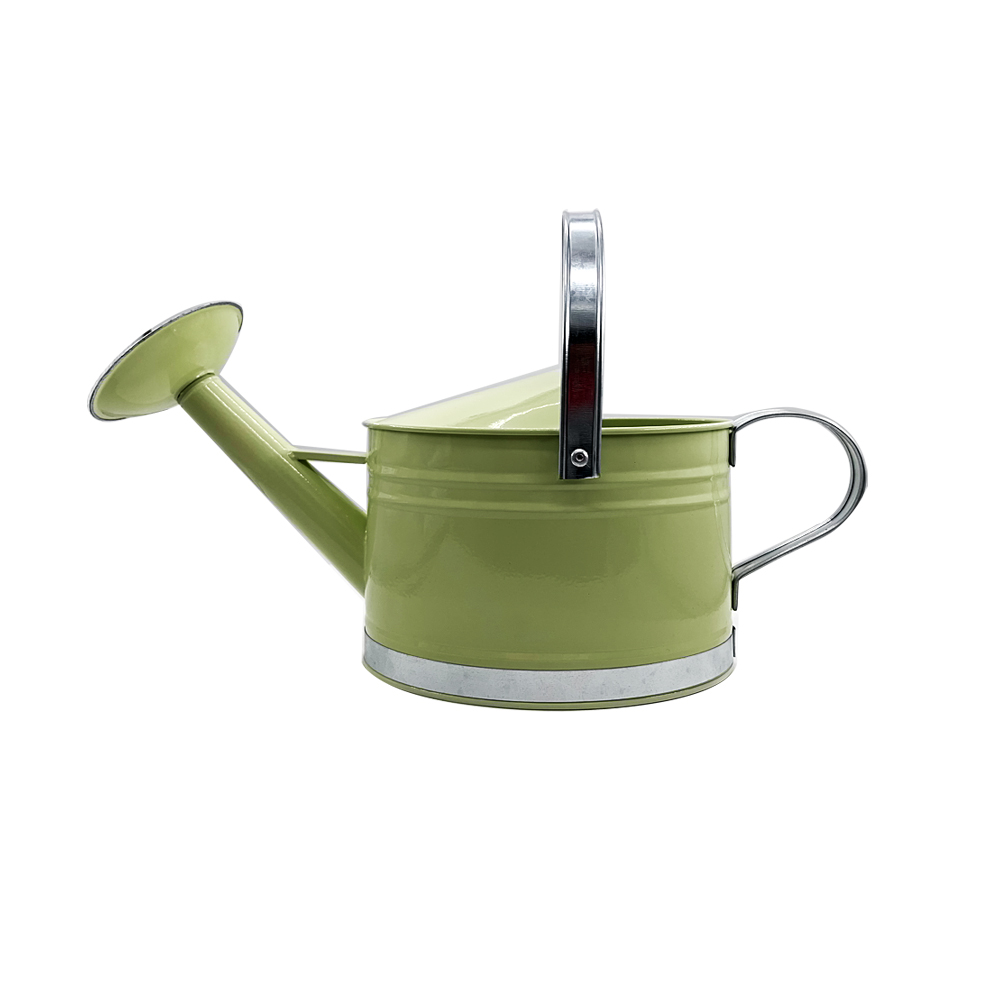
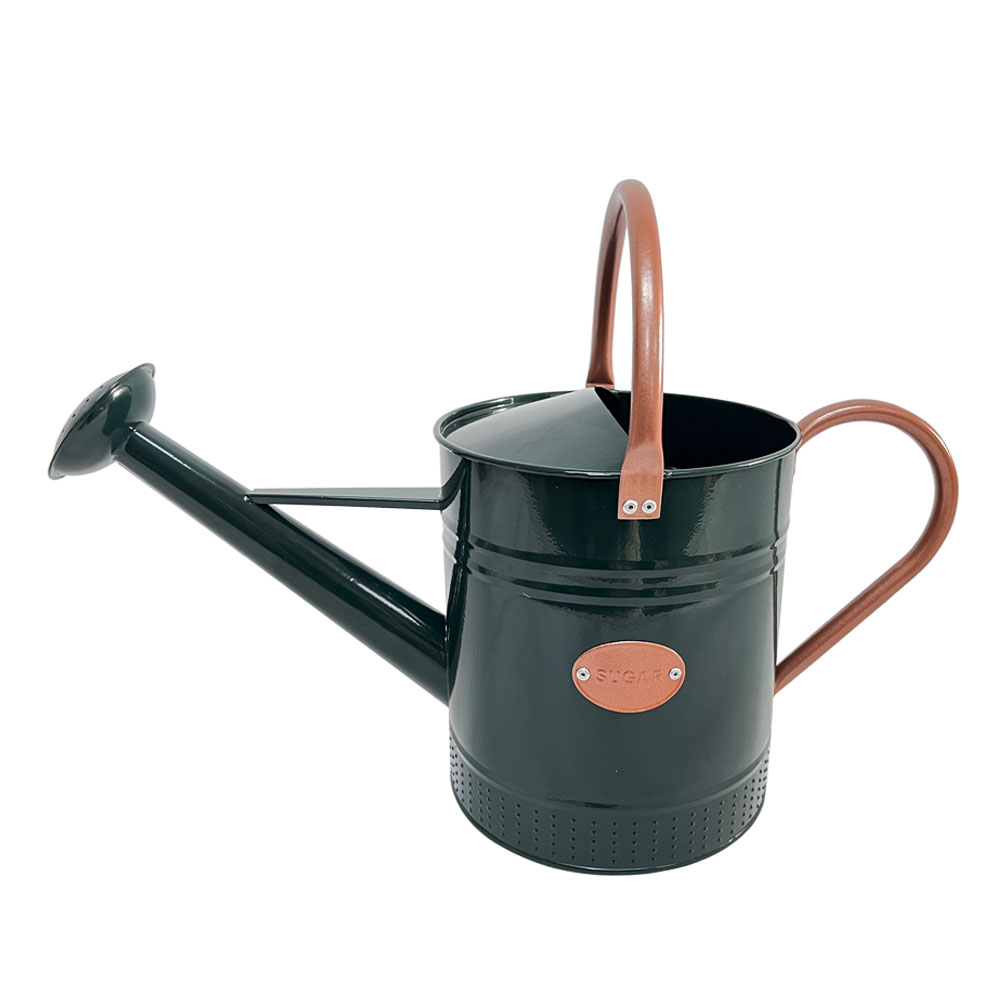
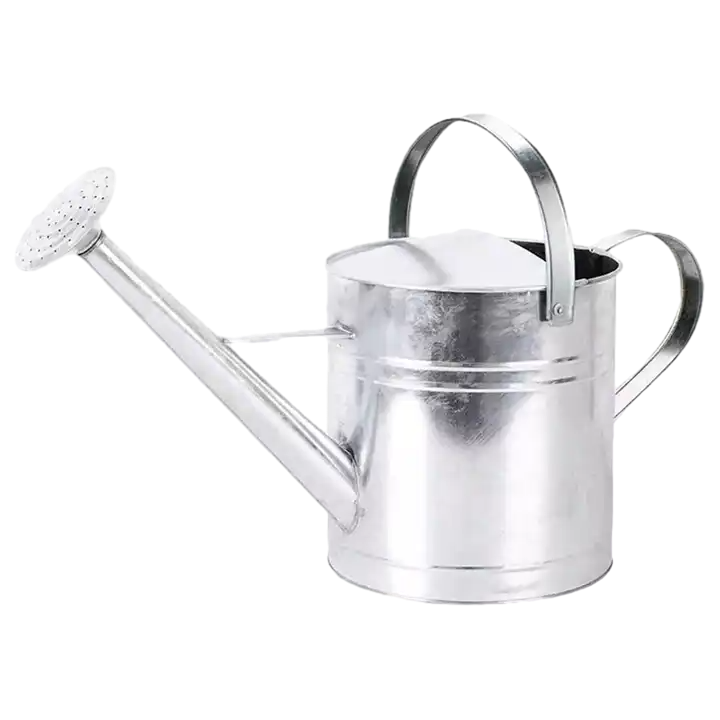
2. Garden Watering Cans as Distribution Tools: Once collected, rainwater can be distributed to garden plants using garden watering cans. These versatile tools allow for precise and targeted watering, ensuring that plants receive the moisture they need without wasting water. Garden watering cans come in a variety of sizes and styles, ranging from small handheld cans to larger, heavy-duty models with extended spouts for reaching plants in hard-to-reach areas. By using watering cans to distribute rainwater, gardeners can control the flow and direction of water, delivering it directly to the root zone of plants while minimizing runoff and evaporation.
3. Benefits of Rainwater for Plants: Rainwater is naturally soft and free of chlorine, fluoride, and other chemicals commonly found in tap water. This makes it an ideal choice for watering garden plants, as it helps promote healthy root development and overall plant growth. Rainwater also contains trace amounts of nutrients, such as nitrogen and phosphorus, which can benefit plant health and vitality. Additionally, using rainwater in the garden helps reduce the environmental impact associated with traditional water sources, such as groundwater extraction and water treatment.
4. Environmental Benefits: Rainwater harvesting offers numerous environmental benefits beyond water conservation. By reducing reliance on municipal water supplies, rainwater harvesting helps alleviate pressure on local water sources and reduces energy consumption associated with water treatment and distribution. Additionally, capturing rainwater helps mitigate stormwater runoff, which can carry pollutants such as pesticides, fertilizers, and sediment into rivers, lakes, and streams, contributing to water pollution and habitat degradation. By capturing and using rainwater in the garden, gardeners can play a role in protecting water quality and preserving natural ecosystems.
5. Tips for Rainwater Harvesting: To maximize the benefits of rainwater harvesting, gardeners should ensure that their collection systems are properly installed and maintained. This includes regularly cleaning gutters and downspouts to prevent debris buildup, installing mesh screens or filters to remove contaminants from collected rainwater, and covering storage containers to prevent mosquito breeding and evaporation. Gardeners should also consider integrating rainwater harvesting into their overall garden design, incorporating features such as rain gardens, permeable paving, and water-efficient landscaping to further enhance water conservation and sustainability.
Seasonal Watering Strategies: Adjusting for Summer Heat and Winter Chill
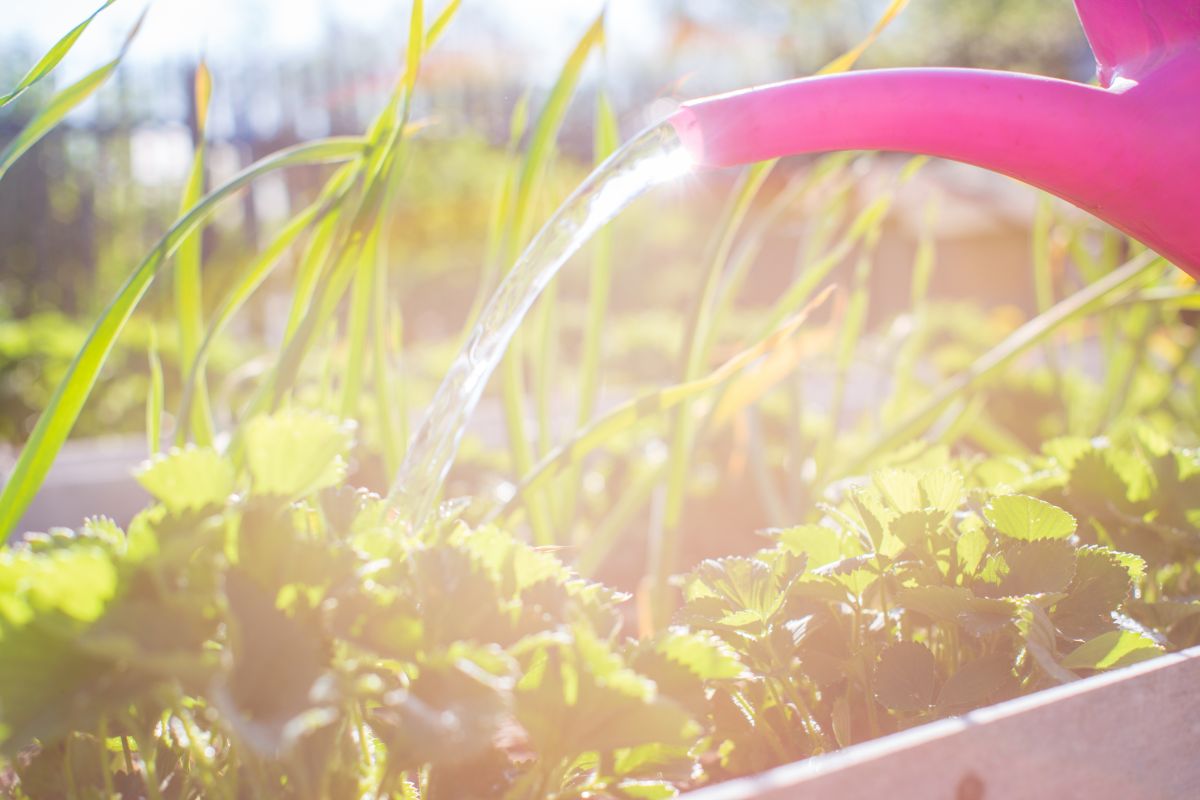
Seasonal watering strategies are essential for maintaining healthy gardens throughout the year, as different seasons bring varying weather conditions that can impact plant hydration and growth. By adjusting your watering practices to accommodate the changing seasons, you can ensure that your garden thrives regardless of the temperature extremes.
1. Summer Watering: During the hot summer months, plants are more prone to dehydration due to increased evaporation rates and higher temperatures. It's crucial to provide plants with an adequate supply of water to help them withstand the heat and thrive. In summer, watering deeply and infrequently is key to promoting strong root development and reducing water waste. Watering in the early morning or late evening helps minimize water loss to evaporation and ensures that moisture reaches the plant roots before the heat of the day sets in. Additionally, mulching around garden plants can help retain soil moisture and regulate soil temperature, further enhancing water efficiency during the summer months.
2. Winter Watering: While it may seem counterintuitive, plants still require water during the winter months, albeit less frequently than in summer. Winter watering is especially important for evergreen plants, newly planted trees and shrubs, and dormant perennials, as they continue to lose moisture through their leaves and roots even when temperatures drop. During periods of prolonged dry weather or when the ground is not frozen, it's essential to water these plants to prevent dehydration and root damage. However, it's crucial to avoid overwatering during winter, as excess moisture can lead to root rot and other water-related issues in cold, waterlogged soil.
3. Monitoring Soil Moisture: Regardless of the season, it's essential to monitor soil moisture levels regularly to determine when plants need water. This can be done by inserting a finger into the soil or using a moisture meter to gauge moisture levels at different depths. Dry, crumbly soil indicates that plants need water, while soggy or waterlogged soil suggests overwatering. By paying attention to soil moisture and adjusting your watering schedule accordingly, you can ensure that plants receive the right amount of water at the right time, promoting healthy growth and minimizing water-related issues throughout the year.
4. Adjusting for Rainfall: Seasonal watering strategies should also take into account natural rainfall patterns and precipitation levels. During periods of heavy rain, you may need to adjust your watering schedule accordingly, reducing or skipping watering sessions to prevent waterlogging and runoff. Conversely, during dry spells or drought conditions, you may need to supplement rainfall with additional irrigation to ensure that plants receive enough water to thrive. By staying attuned to weather forecasts and adapting your watering practices as needed, you can optimize plant health and conserve water resources throughout the changing seasons.
In summary, seasonal watering strategies are essential for maintaining healthy gardens year-round. By adjusting your watering practices to accommodate the specific needs of plants during summer heat and winter chill, monitoring soil moisture levels, and adapting to natural rainfall patterns, you can promote healthy growth, conserve water, and ensure that your garden thrives in every season. With careful attention and thoughtful planning, you can master the art of garden watering and enjoy a lush and vibrant garden throughout the year
Conclusion
In conclusion, mastering the art of garden watering is essential for nurturing thriving plants and creating a lush, vibrant garden oasis. By incorporating the insider secrets and expert tips shared in this post, you can elevate your watering routine and ensure that your plants receive the care they need to flourish. From selecting the perfect watering can to adjusting your watering schedule based on seasonal needs, each tip is designed to help you achieve garden watering mastery. So, roll up your sleeves, grab your watering can, and embark on this journey to cultivate a garden that sprinkles, sprouts, and shines with health and vitality. Here's to a bountiful harvest and a garden that brings joy and beauty to your outdoor space!.
FAQ
1. How often should I water my garden?
- The frequency of watering depends on factors such as plant type, soil type, weather conditions, and time of year. Generally, it's best to water deeply and less frequently rather than shallowly and frequently.
2. How can I tell if my plants need water?
- You can check soil moisture levels by inserting a finger into the soil. Dry, crumbly soil indicates that plants need water, while soggy or waterlogged soil suggests overwatering.
3. What is the best time of day to water my garden?
- It's best to water your garden in the early morning or late evening to minimize water loss to evaporation. Avoid watering during the hottest part of the day to prevent stress on plants.
4. Should I water my garden during the rain?
- It's generally not necessary to water your garden during or immediately after rainfall, as natural precipitation provides moisture to plants. However, if rainfall is insufficient or inconsistent, you may need to supplement with additional watering.
5. What are some signs of overwatering?
- Signs of overwatering include wilting, yellowing leaves, and the presence of fungus or mold on the soil surface. Overwatering can lead to waterlogged soil and root rot, so it's important to avoid excessive watering.
6. How can I conserve water while watering my garden?
- To conserve water, consider using drip irrigation or soaker hoses, which deliver water directly to the root zone of plants. Mulching around garden plants can also help retain soil moisture and reduce water evaporation.
7. What are the benefits of rainwater harvesting for gardening?
- Rainwater harvesting allows you to collect and store rainwater for later use in watering your garden. It's a sustainable practice that helps reduce reliance on municipal water supplies, conserve water, and promote environmental sustainability.
8. How can I adjust my watering routine for different seasons?
- In summer, water deeply and infrequently to help plants withstand the heat. In winter, continue to water plants as needed, especially evergreens and newly planted trees and shrubs. Monitor soil moisture levels and adjust watering accordingly.
9. Are there any watering tips for specific types of plants?
- Yes, different types of plants have varying water requirements. For example, flowering plants may need consistent moisture to produce blooms, while succulents prefer infrequent watering. Research the specific needs of your plants and adjust your watering routine accordingly.
10. What are some common watering mistakes to avoid?
- Common watering mistakes include overwatering, underwatering, inconsistent watering, watering at the wrong time, and watering the foliage instead of the soil. By avoiding these pitfalls, you can promote healthy plant growth and minimize water-related issues in your garden.
Unlock the secret to a thriving garden, even when you're away!
Say Goodbye to Waste: Practical Strategies for Long-Term Vegetable Storage
Related blog