Bread Boxes: Revolutionizing Bread Storage for Freshness, Convenience, and Sustainability
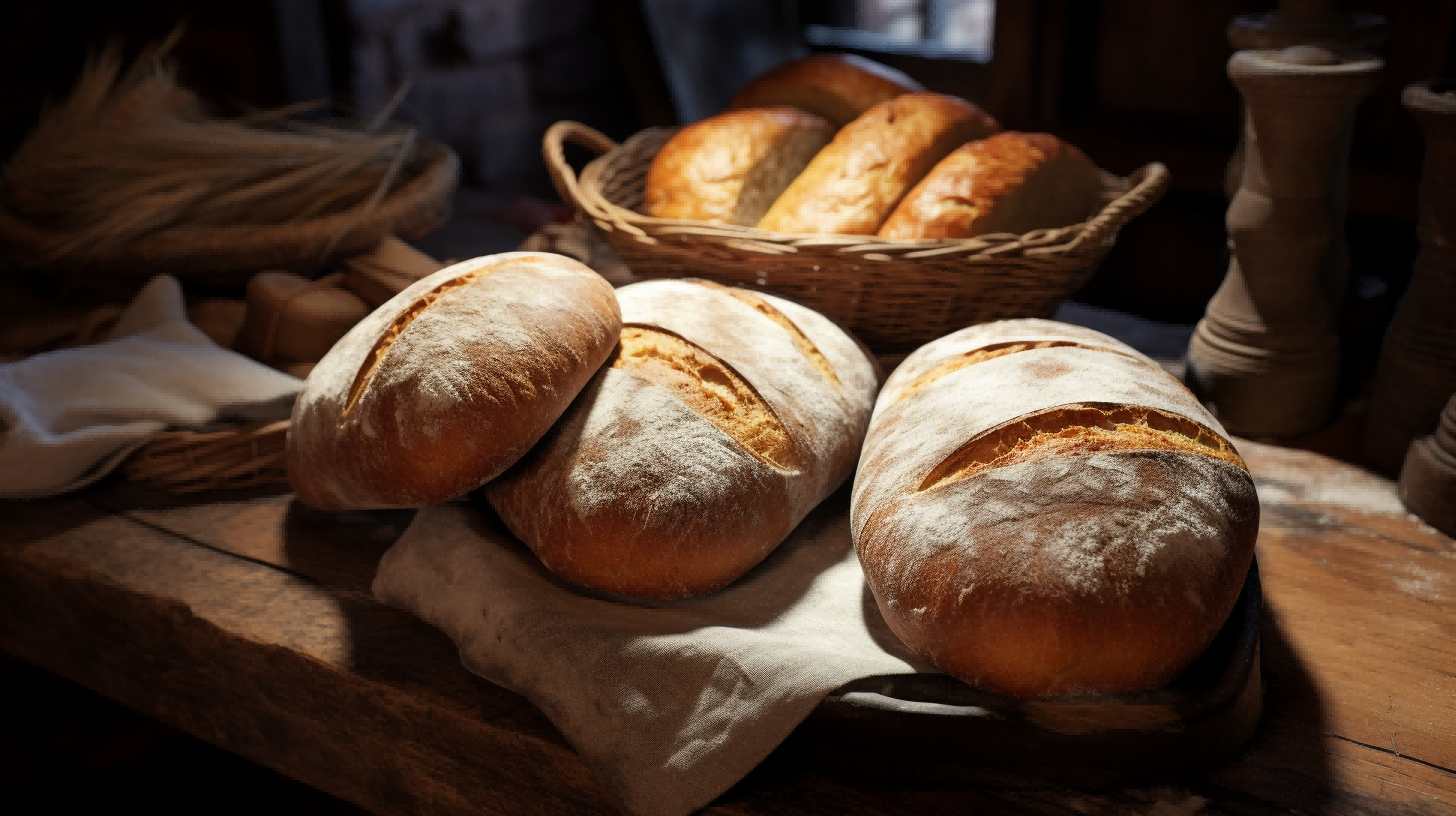
Bread storage has always been a concern for bread enthusiasts who appreciate the simple pleasure of a fresh, delicious loaf. The emergence and evolution of bread boxes have significantly impacted the way we store our bread, providing a solution that surpasses traditional plastic or paper packaging. In this comprehensive exploration, we will delve into the key features of bread boxes, compare them to conventional packaging, discuss economic considerations, explore the aesthetic aspects, and highlight the sustainability angle. By the end, we aim to make a compelling case for why consumers should consider adopting this sustainable and practical storage solution.
The Characteristics of Bread Boxes
 Moisture and Mold Prevention
Bread boxes are designed to create an environment that minimizes moisture, a common culprit for mold growth. The airtight seal of quality bread boxes keeps the interior dry, preventing the onset of mold and ensuring the longevity of your bread.
Avoiding Ingredient Spoilage
In addition to moisture control, bread boxes contribute to the prevention of ingredient spoilage. Whether it's homemade or artisanal bread with natural ingredients, a bread box safeguards against the adverse effects of external elements, preserving the quality of the bread.
Maintaining Bread Texture
The breathable nature of bread boxes prevents the accumulation of excess moisture, ensuring that the bread maintains its delightful texture. Say goodbye to sogginess and welcome consistently fresh and enjoyable slices.
Preserving the Crispy Outside and Soft Inside Texture
The balance between breathability and preservation in bread boxes ensures that the crust remains crispy while the inside stays irresistibly soft. This unique feature is especially appreciated by those who savor the textural interplay in every bite.
Convenience and Reusability
Bread boxes are designed with user convenience in mind, featuring a user-friendly opening mechanism that combines easy access with effective sealing. Additionally, the reusable nature of these boxes aligns with sustainable living practices, reducing single-use packaging waste.
User-friendly Opening Mechanism
The innovative design of bread boxes includes a user-friendly opening mechanism, allowing for easy access without compromising the seal. This ensures that every time you reach for a slice, it's as fresh as the first.
Bread Boxes vs. Traditional Packaging
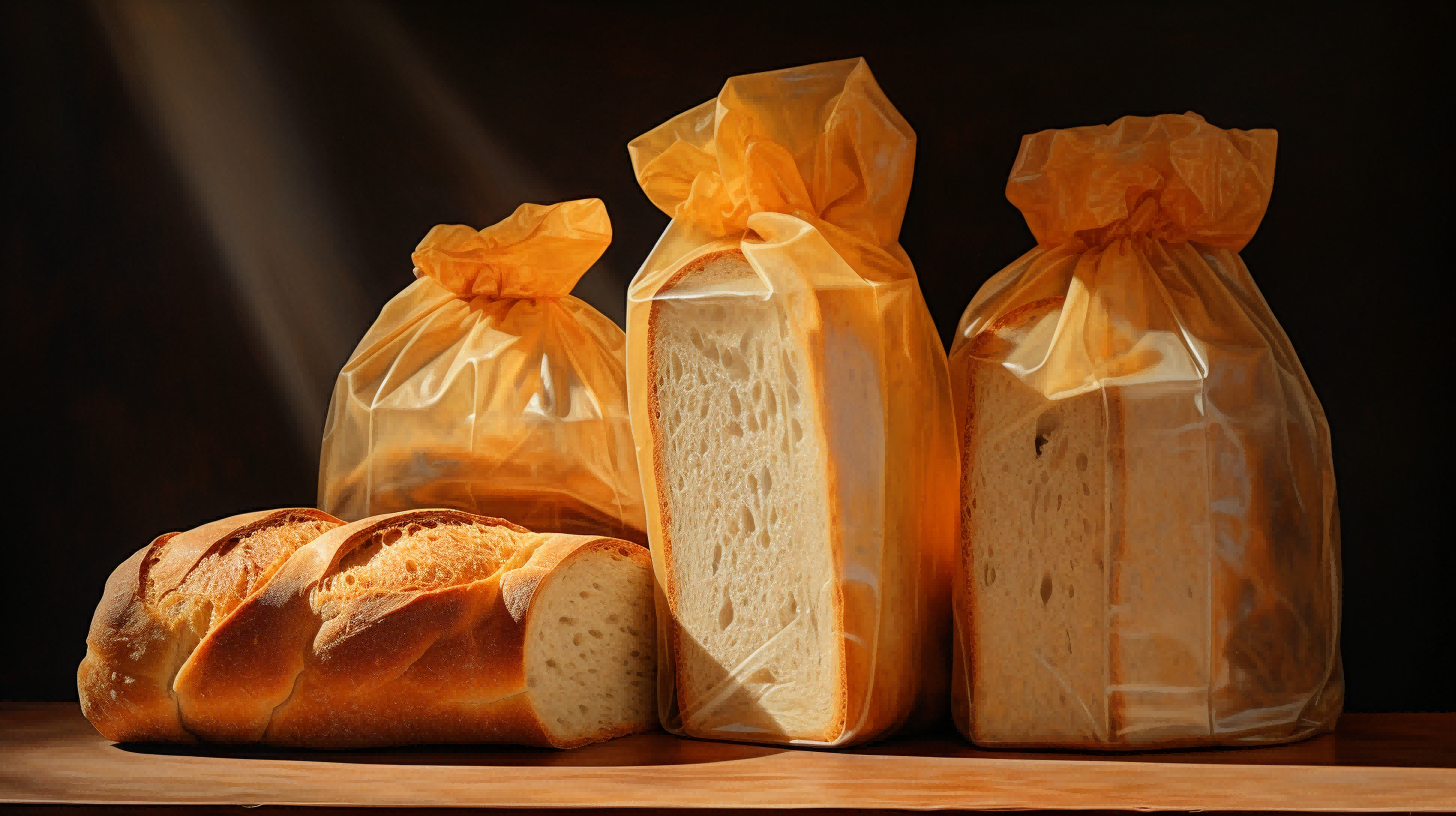
Drawbacks of Plastic Bag Packaging
While plastic bags are a common choice for bread storage, they come with significant drawbacks that compromise the freshness and sustainability of the stored bread.
Ineffective Freshness Preservation
Plastic bags, though convenient, are notorious for their limited ability to preserve the freshness of bread. The lack of proper sealing allows moisture to seep in, accelerating the staleness of the bread and reducing its shelf life.
Environmental Pollution and Sustainability Concerns
Beyond freshness concerns, plastic bag usage contributes to environmental pollution. The production and disposal of single-use plastic have well-documented detrimental effects on ecosystems, making it an unsustainable choice for conscientious consumers.
Limitations of Paper Bag Packaging
Paper bags, while a more environmentally friendly option compared to plastic, still have limitations when it comes to preserving bread freshness.
Limited Preservation Efficacy
The porous nature of paper allows air and moisture to penetrate, limiting its ability to preserve the freshness of bread. As a result, bread stored in paper bags tends to lose its quality more rapidly.
Economic Considerations
Long-term Investment and Cost Savings
Choosing a bread box is not just about freshness; it's also a wise economic decision. The durability of bread boxes ensures they withstand the test of time, providing a long-term storage solution that reduces the need for frequent bread purchases.
Durability of Bread Boxes
Unlike disposable plastic and paper bags, bread boxes are crafted with durability in mind. Investing in a quality bread box means fewer replacements over time, translating to cost savings in the long run.
Reducing the Frequency of Bread Purchases
With effective freshness preservation, bread boxes reduce the frequency of bread purchases. By extending the shelf life of your bread, you not only save money but also contribute to minimizing food waste.
Aesthetic and Neatness
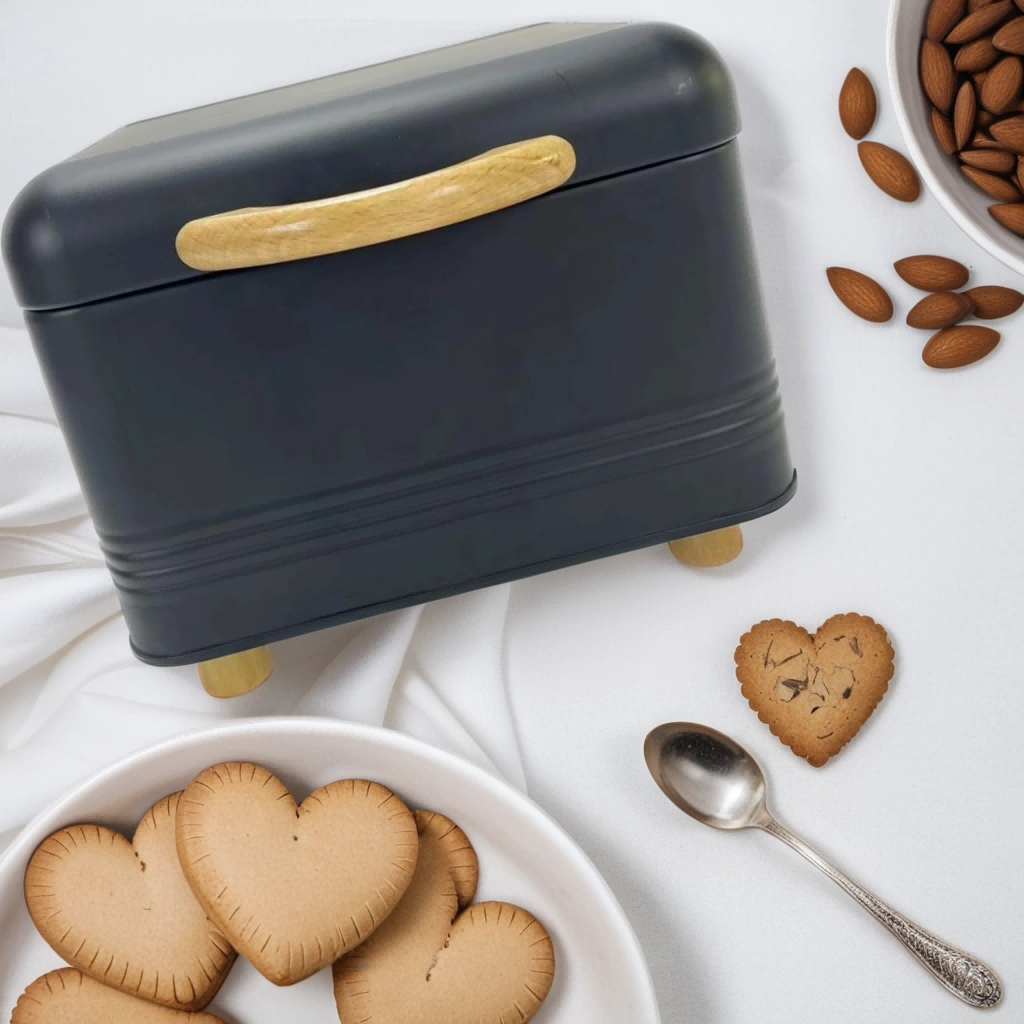
Design of Bread Boxes
The aesthetic appeal of bread boxes extends beyond their functional features. Thoughtfully designed, these boxes can complement the aesthetics of your kitchen while providing a tidy storage solution.
Complementing Kitchen Aesthetics
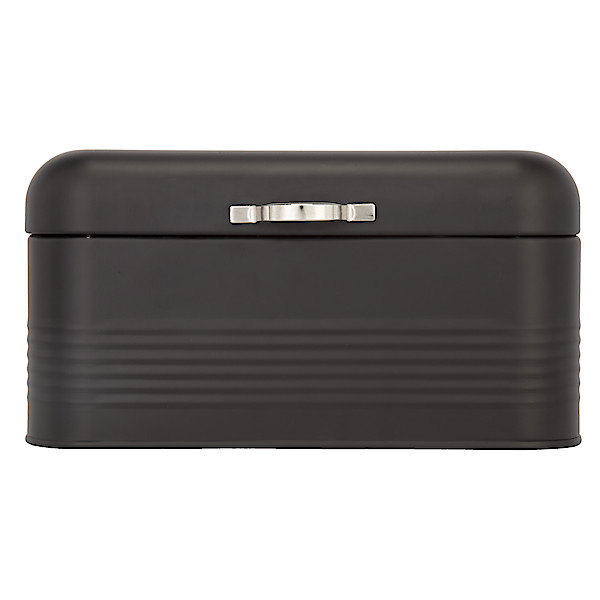
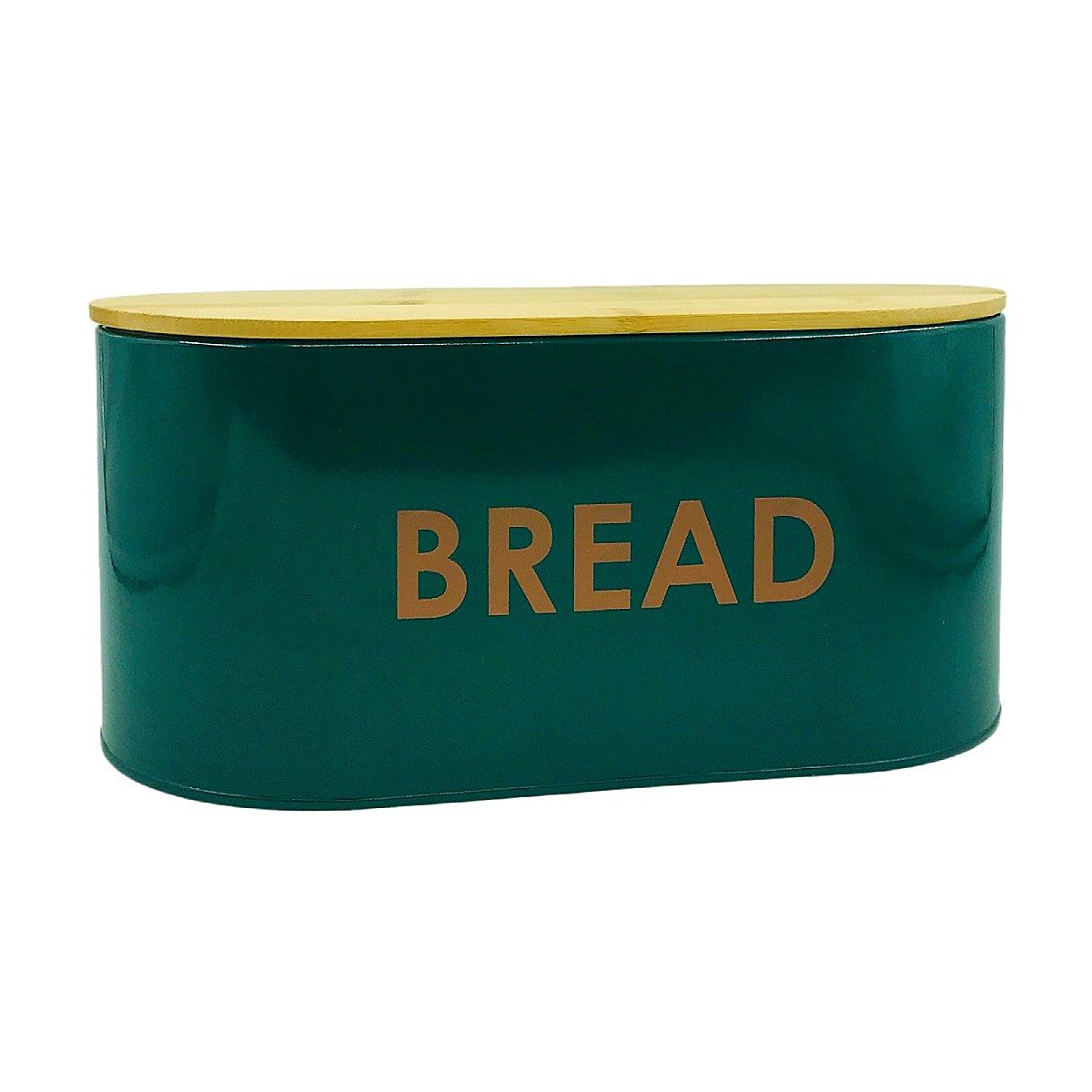
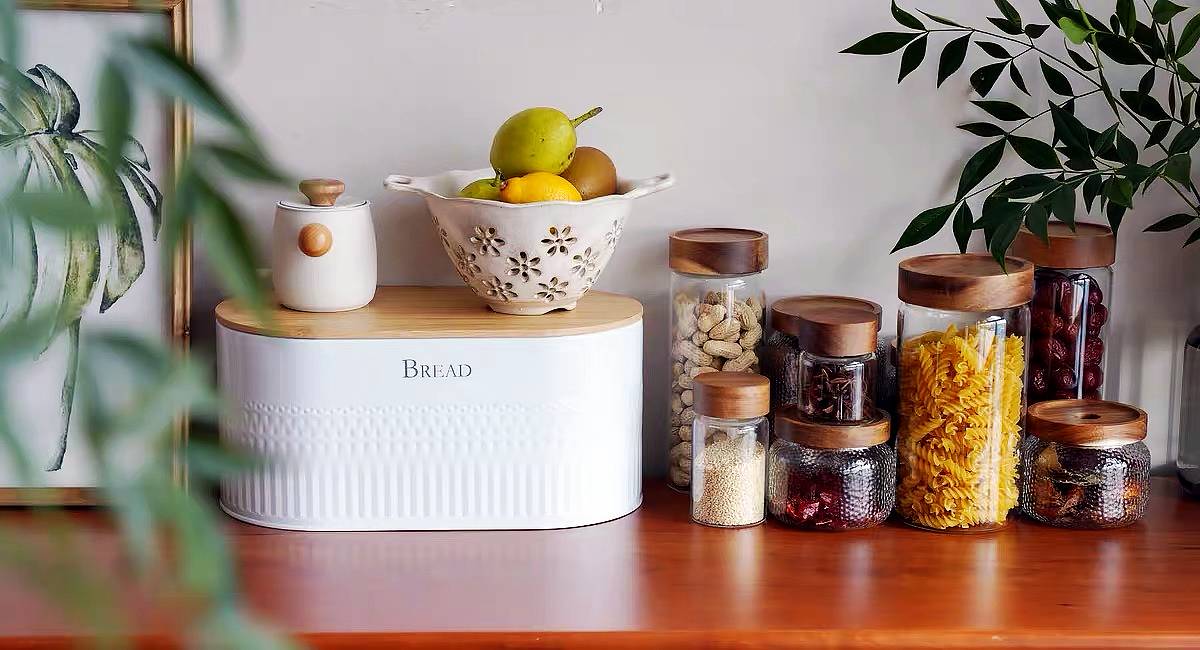
Bread boxes come in a variety of designs, materials, and colors, allowing you to choose one that seamlessly integrates with your kitchen decor. This not only enhances the overall look but also adds a touch of sophistication to your countertop.
Tidy Storage Solutions
Say goodbye to the days of crumpled and torn bread bags cluttering your kitchen. Bread boxes provide a tidy storage solution, keeping your countertop organized and free from the mess often associated with traditional packaging.
Consumer Case
Real-life Experiences with Bread Boxes
To offer a real-world perspective, let's delve into the experiences of consumers who have embraced the use of bread boxes in their daily lives.
Contrasting Bread Storage Before and After Adopting Bread Boxes
To illustrate the impact of bread boxes, let's compare the traditional bread storage methods with the use of bread boxes.
A Part of Sustainable Living
The Relationship Between Bread Boxes and Environmental Responsibility
Bread boxes play a significant role in aligning with and promoting the principles of sustainable living. By reducing single-use packaging and contributing to a circular economy, consumers can actively participate in environmentally responsible practices.
Mitigating the Impact of Single-Use Packaging
The environmental impact of single-use plastic and paper packaging is undeniable. By opting for a reusable bread box, consumers take a step towards mitigating this impact, contributing to a cleaner and healthier planet.
Aligning with the Principles of Sustainable Living
Sustainability is more than just a buzzword; it's a lifestyle choice. Choosing a bread box is a tangible way for individuals to align their daily habits with the broader goal of sustainable living. It's a small change that collectively makes a significant difference.
Conclusion
In this comprehensive exploration of bread boxes, we have delved into their features, compared them to traditional packaging methods, discussed economic considerations, explored the aesthetic aspects, and highlighted the sustainability angle. By embracing bread boxes, consumers not only enhance the freshness and longevity of their bread but also contribute to a more sustainable and organized kitchen.
The Multifaceted Benefits of Bread Boxes
Bread boxes offer a multifaceted solution to the challenges associated with bread storage. From preserving freshness and enhancing convenience to contributing to sustainable living, the benefits are undeniable.
Encouraging Consumers to Embrace Bread Boxes for Enhanced Bread Storage
As we navigate towards a future that values sustainability and practical solutions, the adoption of bread boxes emerges as a simple yet impactful choice. We encourage consumers to consider the numerous advantages of bread boxes, making a conscious decision to enhance their bread storage experience while contributing to a more sustainable world.
Differences and applications of Carbon Steel, Galvanized Steel and Stainless Steel in the food industry