Unlocking the Truth: Is Galvanized Steel Truly Food Safe?
In the bustling world of culinary innovation and food industry essentials, the debate surrounding the safety of galvanized steel has ignited curiosity and concern among consumers and professionals alike. As we embark on a journey to unlock the truth behind this enigma, we delve deep into the heart of the matter, addressing pressing questions and shedding light on misconceptions. From understanding the intricacies of the galvanization process to dissecting food safety standards and regulations, our exploration leaves no stone unturned. Join us as we navigate through topics ranging from the risks of zinc leaching to practical tips for safe usage in kitchens and beyond. With each revelation and insight, we aim to equip you with the knowledge and confidence to make informed decisions about the use of galvanized steel in food-related settings. Welcome to our comprehensive investigation: "Unlocking the Truth: Is Galvanized Steel Truly Food Safe?"
- Inspect galvanized steel products regularly for signs of damage, corrosion, or wear, and promptly replace any compromised items.
- Avoid using galvanized steel with acidic or alkaline foods, as these substances can accelerate zinc leaching.
- Clean galvanized steel utensils and surfaces thoroughly after each use with mild detergent and warm water to remove food residues and prevent contamination.
- Dry galvanized steel products thoroughly after cleaning to prevent the formation of rust or corrosion.
- Store galvanized steel utensils and containers in a clean, dry environment away from sources of moisture to maintain their condition and prolong their lifespan.
- Follow manufacturer guidelines for proper usage and maintenance of galvanized steel products, including recommended cleaning methods and frequency.
- Be mindful of the types of foods being handled with galvanized steel utensils and containers, and avoid prolonged exposure to acidic or alkaline substances.
- Consider using alternative materials, such as stainless steel or food-grade plastics, for food handling tasks that involve acidic or reactive ingredients.
- Educate kitchen staff and personnel on the proper handling and maintenance of galvanized steel products to ensure food safety and compliance with regulations.
- Stay informed about regulatory guidelines and standards governing the use of galvanized steel in food applications, and adhere to these guidelines to ensure compliance and safety.
The Galvanization Process: How Does It Affect the Safety of Galvanized Steel?

The galvanization process is a crucial aspect to consider when evaluating the safety of galvanized steel for use in food-related applications. Galvanization involves coating steel with a layer of zinc to protect it from corrosion, extending its lifespan and enhancing its durability. This process typically occurs through one of two methods: hot-dip galvanizing or electro-galvanizing.
Hot-dip galvanizing involves immersing the steel in a bath of molten zinc, allowing the zinc to bond with the surface of the steel through a metallurgical reaction. This results in a robust, tightly-bonded coating that provides excellent protection against rust and corrosion. Electro-galvanizing, on the other hand, employs an electroplating process to deposit a layer of zinc onto the steel substrate. While both methods effectively coat the steel with zinc, the thickness and adherence of the coating may vary depending on the specific process used.
The key question regarding the safety of galvanized steel lies in whether the zinc coating can potentially leach into food or beverages stored or prepared in contact with the steel. Zinc is a naturally occurring element and is considered safe for human consumption in small quantities. However, prolonged exposure to high levels of zinc can lead to adverse health effects, including nausea, vomiting, and gastrointestinal distress.
To mitigate the risk of zinc leaching, manufacturers typically employ quality control measures during the galvanization process to ensure uniform coating thickness and adherence. Additionally, proper handling and maintenance of galvanized steel products can help minimize the potential for zinc transfer to food or beverages. This may include avoiding acidic or alkaline foods that can accelerate corrosion of the zinc coating, as well as promptly replacing or recoating any galvanized steel items that show signs of wear or damage.
Overall, while the galvanization process is essential for enhancing the durability and longevity of steel products, it is essential to consider potential implications for food safety. By understanding the intricacies of the galvanization process and implementing appropriate precautions, consumers and professionals can confidently assess the suitability of galvanized steel for use in food-related settings.
Understanding Food Safety Standards and Regulations for Galvanized Steel
Understanding food safety standards and regulations for galvanized steel is paramount for ensuring the protection of public health and well-being. Regulatory agencies around the world have established stringent guidelines to govern the use of materials in contact with food, including galvanized steel. These standards aim to prevent contamination and ensure that food products remain safe for consumption throughout the supply chain.
In the United States, the Food and Drug Administration (FDA) is responsible for regulating materials and substances that come into contact with food. The FDA has established specific regulations for food contact materials, including coatings and finishes applied to metal surfaces such as galvanized steel. Manufacturers must adhere to FDA regulations to ensure that their products are safe for use in food-related applications.
One of the key considerations in food safety standards for galvanized steel is the potential for zinc migration. While zinc is generally recognized as safe (GRAS) for use in food packaging and contact materials, there are limits on the amount of zinc that can migrate from the coating into food. The FDA has established migration limits for zinc and other substances to protect consumers from potential health risks.
In addition to federal regulations, manufacturers and suppliers of galvanized steel may also need to comply with industry-specific standards and guidelines. Organizations such as the American National Standards Institute (ANSI) and the International Organization for Standardization (ISO) have developed standards for materials used in food processing, packaging, and handling. These standards cover various aspects of food safety, including materials composition, manufacturing processes, and performance criteria.
Compliance with food safety standards and regulations requires careful monitoring and documentation throughout the manufacturing process. Manufacturers must conduct thorough testing and analysis to ensure that their galvanized steel products meet regulatory requirements and do not pose a risk to food safety. Regular audits and inspections by regulatory agencies help verify compliance and identify any areas for improvement.
Potential Risks: Addressing Concerns About Zinc Leaching in Galvanized Steel

Addressing concerns about zinc leaching in galvanized steel is essential for ensuring the safety of food and beverages stored or prepared in contact with these materials. While galvanized steel is prized for its durability and corrosion resistance, there is a potential risk of zinc migration from the coating into the surrounding environment, particularly when exposed to acidic or alkaline substances.
Zinc is a naturally occurring element and is considered safe for human consumption in small quantities. In fact, zinc is an essential nutrient that plays a vital role in various physiological processes within the body. However, excessive intake of zinc can lead to adverse health effects, including nausea, vomiting, and gastrointestinal discomfort. Therefore, it is crucial to minimize the risk of zinc leaching from galvanized steel products to prevent potential health hazards.
Several factors can influence the rate and extent of zinc leaching from galvanized steel, including the acidity or alkalinity of the surrounding environment, temperature, and exposure time. Acids, such as those found in citrus fruits or vinegar, can accelerate the corrosion of the zinc coating, leading to increased zinc migration. Similarly, alkaline substances, such as certain detergents or cleaning agents, can also react with the zinc coating and promote leaching.
To mitigate the risk of zinc leaching, manufacturers employ various strategies during the galvanization process to ensure the integrity and durability of the zinc coating. Quality control measures, such as monitoring coating thickness and adherence, help minimize the potential for corrosion and zinc migration. Additionally, manufacturers may apply protective coatings or sealants to further enhance the resistance of galvanized steel products to corrosion and leaching.
Consumers can also take proactive steps to reduce the risk of zinc leaching from galvanized steel items. Avoiding prolonged exposure to acidic or alkaline substances, using food-grade liners or barriers when storing food in galvanized containers, and promptly replacing or recoating any galvanized steel products that show signs of wear or damage can help minimize the potential for zinc transfer.
By addressing concerns about zinc leaching in galvanized steel and implementing appropriate precautions, manufacturers and consumers can enjoy the benefits of this versatile material while ensuring the safety of food and beverages stored or prepared in contact with galvanized steel products.
Galvanized Steel in Food Packaging: Evaluating Its Safety for Storage and Transport

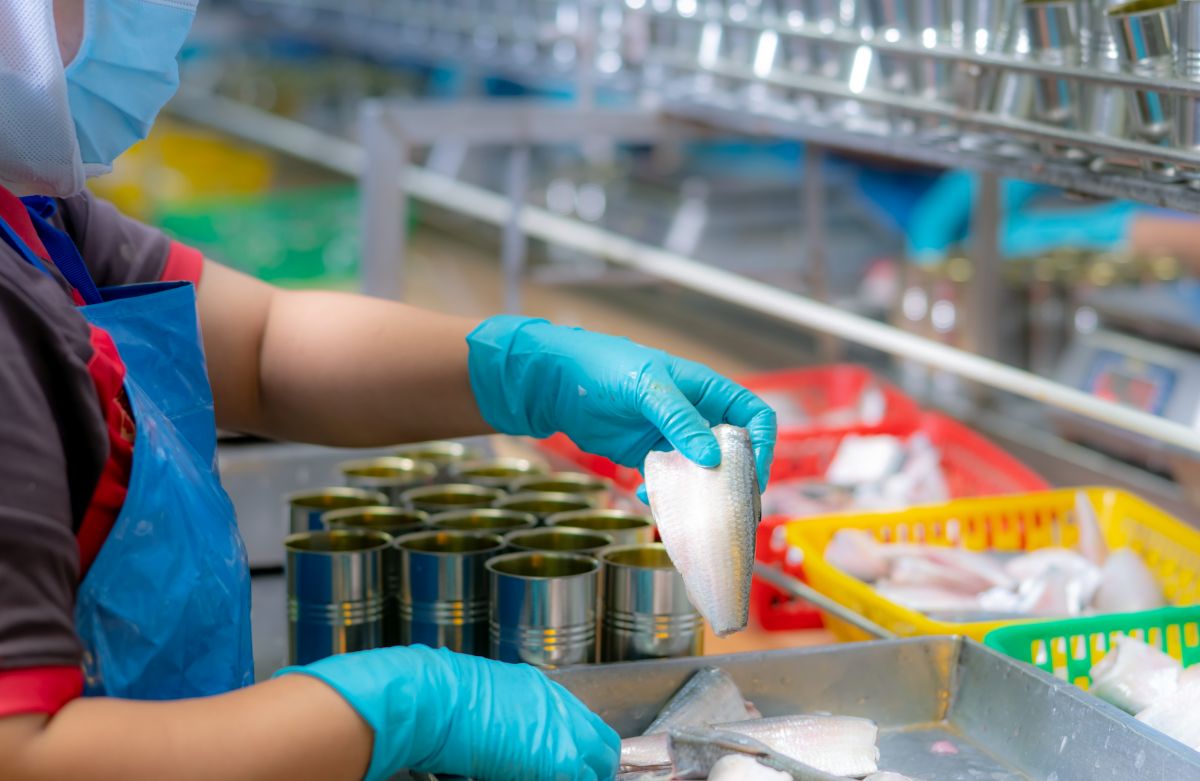
Galvanized steel is a popular choice for food packaging due to its strength, durability, and resistance to corrosion. It is commonly used in a variety of applications, including cans, containers, and other packaging materials. However, when evaluating the safety of galvanized steel for food packaging, it is essential to consider potential risks and take appropriate precautions to ensure the integrity of the packaging and the safety of the food contained within.
One of the primary concerns regarding the use of galvanized steel in food packaging is the potential for zinc migration from the coating into the food. Zinc is a component of the galvanized coating and can leach into food, particularly when exposed to acidic or alkaline substances. To address this concern, manufacturers must carefully control the thickness and adherence of the zinc coating during the galvanization process to minimize the risk of zinc migration.
Regulatory agencies such as the Food and Drug Administration (FDA) in the United States have established guidelines for the use of materials in contact with food, including galvanized steel. These guidelines specify permissible levels of zinc migration and require manufacturers to conduct testing and analysis to ensure compliance. By adhering to these regulations, manufacturers can demonstrate the safety of their galvanized steel packaging for food storage and transport.
In addition to regulatory compliance, manufacturers may also implement additional measures to enhance the safety of galvanized steel packaging. This may include applying protective coatings or liners to the interior of the packaging to create a barrier between the food and the galvanized steel surface. These barriers help prevent direct contact between the food and the zinc coating, reducing the risk of zinc migration.
Consumers can also take steps to ensure the safety of food stored or transported in galvanized steel packaging. It is essential to follow manufacturer instructions for proper storage and handling of packaged food products to minimize the risk of contamination. Additionally, consumers should inspect packaging for signs of damage or corrosion and avoid using damaged or compromised containers.
Overall, while galvanized steel is a widely used material for food packaging due to its durability and corrosion resistance, it is essential to evaluate its safety and take appropriate precautions to mitigate potential risks. By understanding the factors that influence the safety of galvanized steel packaging and implementing best practices for storage and handling, manufacturers and consumers can confidently use this material for food storage and transport.
Practical Tips for Ensuring the Safety of Galvanized Steel Utensils in the Kitchen

Practical tips for ensuring the safety of galvanized steel utensils in the kitchen are essential for both professionals and home cooks alike. While galvanized steel utensils are prized for their durability and affordability, it's crucial to understand how to use and maintain them properly to prevent potential health risks associated with zinc leaching.
First and foremost, it's essential to inspect galvanized steel utensils before use to ensure they are in good condition. Look for any signs of damage, such as rust, corrosion, or flaking of the zinc coating. If you notice any damage, it's best to refrain from using the utensil and consider replacing it to avoid potential contamination of food.
When using galvanized steel utensils in food preparation, it's essential to be mindful of the types of foods being handled. Avoid using galvanized steel utensils with acidic or alkaline foods, as these can accelerate the corrosion of the zinc coating and increase the risk of zinc leaching. Instead, opt for stainless steel or other non-reactive materials when working with acidic ingredients like tomatoes, citrus fruits, or vinegar.
Proper cleaning and maintenance of galvanized steel utensils are also crucial for ensuring food safety. Wash utensils thoroughly with mild detergent and warm water after each use to remove any food residues and prevent the buildup of bacteria. Avoid using abrasive cleaners or scouring pads that can scratch the zinc coating and compromise its integrity.
After washing, ensure that galvanized steel utensils are thoroughly dried before storing them to prevent the formation of rust or corrosion. Store utensils in a clean, dry environment away from sources of moisture to maintain their condition and prolong their lifespan.
If you notice any signs of wear or damage to galvanized steel utensils over time, such as scratches, dents, or corrosion, it's essential to address them promptly. Consider recoating or replacing the utensil to maintain its safety and prevent potential contamination of food.
By following these practical tips for ensuring the safety of galvanized steel utensils in the kitchen, cooks can enjoy the benefits of these versatile tools while minimizing the risk of zinc leaching and ensuring the integrity of their food preparation processes. With proper care and maintenance, galvanized steel utensils can be a reliable and safe choice for culinary tasks in any kitchen.
Longevity and Durability: Exploring the Lifespan of Galvanized Steel in Food Applications

Exploring the longevity and durability of galvanized steel in food applications provides valuable insight into its suitability for various culinary tasks and environments. Galvanized steel is renowned for its exceptional resistance to corrosion, making it an ideal choice for food-related applications where exposure to moisture and corrosive substances is common.
The lifespan of galvanized steel in food applications is influenced by several factors, including the thickness of the zinc coating, the quality of the galvanization process, and the specific conditions in which the steel is used. Hot-dip galvanized steel, in particular, tends to have a thicker and more durable coating compared to electro-galvanized steel, resulting in enhanced protection against corrosion and prolonging its lifespan.
In food processing and storage facilities, galvanized steel is often used in a wide range of applications, including shelving, storage bins, and food preparation surfaces. Its durability and resistance to rust and corrosion make it well-suited for these environments, where hygiene and cleanliness are of utmost importance.
Proper maintenance and care play a crucial role in extending the lifespan of galvanized steel in food applications. Regular cleaning with mild detergent and warm water helps remove food residues and prevent the buildup of contaminants that can compromise the integrity of the zinc coating. Additionally, inspecting galvanized steel equipment and surfaces for signs of damage or wear and addressing any issues promptly can help prevent corrosion and prolong the lifespan of the steel.
While galvanized steel is inherently durable and long-lasting, exposure to certain conditions can affect its lifespan. For example, prolonged exposure to acidic or alkaline substances can accelerate corrosion and reduce the lifespan of galvanized steel equipment and surfaces. Therefore, it's essential to use galvanized steel in accordance with manufacturer guidelines and avoid exposing it to substances that may compromise its integrity.
Overall, exploring the longevity and durability of galvanized steel in food applications highlights its value as a reliable and robust material for various culinary tasks and environments. By understanding the factors that influence its lifespan and implementing proper maintenance practices, food industry professionals can maximize the performance and longevity of galvanized steel equipment and surfaces, ensuring safe and efficient food handling processes.
Alternatives to Galvanized Steel: Comparing Safety and Performance in Food Contact Materials
|
Material
|
Safety
|
Performance
|
Cost
|
|
Galvanized Steel
|
Generally safe, but risk of zinc leaching with acidic foods
|
Durable, corrosion-resistant, widely used
|
Moderate
|
|
Stainless Steel
|
Non-reactive, highly durable
|
Excellent corrosion resistance, easy to clean
|
High
|
|
Food-Grade Plastic
|
Variable, depends on specific type
|
Lightweight, versatile, affordable
|
Low to Moderate
|
|
Ceramic
|
Non-reactive, hygienic
|
Brittle, can chip or break if mishandled
|
Moderate to High
|
|
Glass
|
Non-reactive, inert
|
Fragile, may break if dropped or mishandled
|
Moderate to High
|
When considering materials for food contact applications, it's essential to explore alternatives to galvanized steel to compare their safety and performance. While galvanized steel offers durability and corrosion resistance, there are other materials available that may present different advantages and considerations for food-related use.
One common alternative to galvanized steel is stainless steel, which is prized for its strength, hygiene, and resistance to corrosion. Stainless steel is widely used in food processing, storage, and preparation due to its non-reactive nature and ease of cleaning. Unlike galvanized steel, stainless steel does not require a protective coating to prevent corrosion, reducing the risk of potential contaminants leaching into food.
Another alternative to galvanized steel is food-grade plastic, which is lightweight, affordable, and available in a variety of shapes and sizes. Food-grade plastics are commonly used in food packaging, storage containers, and utensils due to their versatility and ease of use. However, concerns have been raised about the potential for certain types of plastics to leach harmful chemicals into food, particularly when exposed to heat or acidic substances.
Ceramic and glass are also popular alternatives to galvanized steel for food contact applications, offering excellent durability, non-reactivity, and aesthetic appeal. Ceramic and glass containers are commonly used for food storage and serving, particularly for acidic or highly reactive foods where metal containers may pose a risk of contamination.
When comparing alternatives to galvanized steel, it's essential to consider factors such as cost, durability, ease of cleaning, and potential health risks associated with each material. Regulatory agencies such as the Food and Drug Administration (FDA) in the United States have established guidelines for the use of materials in contact with food, including specific requirements for safety and performance.
Ultimately, the choice of material for food contact applications depends on the specific requirements of the application, as well as considerations such as budget, aesthetics, and personal preferences. By comparing the safety and performance of alternatives to galvanized steel, food industry professionals can make informed decisions to ensure the integrity and safety of food handling processes.
Case Studies: Real-Life Examples of Galvanized Steel Usage in Food Industry Settings

Examining real-life case studies of galvanized steel usage in food industry settings provides valuable insights into its practical applications, benefits, and challenges. Across various sectors of the food industry, from processing plants to commercial kitchens, galvanized steel plays a pivotal role in maintaining hygiene standards, facilitating food preparation, and ensuring the safety of food products.
In food processing plants, galvanized steel is commonly used for equipment and machinery components that come into direct contact with food products. For example, conveyor belts, storage tanks, and processing equipment may be constructed from galvanized steel due to its resistance to corrosion and ease of cleaning. Case studies have demonstrated how galvanized steel helps food processing facilities meet strict hygiene standards and regulatory requirements while withstanding the harsh conditions of food production environments.
In commercial kitchens and food service establishments, galvanized steel is often utilized for shelving, storage racks, and food preparation surfaces. These case studies showcase how galvanized steel contributes to efficient kitchen operations by providing durable and easy-to-clean surfaces that withstand daily wear and tear. Additionally, galvanized steel equipment and surfaces help prevent cross-contamination and ensure food safety throughout the cooking and serving process.
One notable case study involves the use of galvanized steel in food transportation and storage containers. Galvanized steel drums and barrels are commonly used for transporting bulk food products such as grains, oils, and liquids. These containers provide a secure and durable storage solution that protects food products from contamination and maintains their quality during transit.
Furthermore, case studies highlight the longevity and durability of galvanized steel in food industry settings. With proper maintenance and care, galvanized steel equipment and surfaces can withstand years of use without compromising performance or safety. This durability translates to cost savings for food industry businesses by reducing the need for frequent replacements and repairs.
Overall, case studies of galvanized steel usage in food industry settings underscore its importance as a reliable and versatile material that meets the unique challenges and demands of food handling and processing. By examining real-life examples, food industry professionals can gain valuable insights into the practical applications and benefits of galvanized steel, ultimately enhancing efficiency, hygiene, and food safety standards.
CONCLUSION
In conclusion, as we've delved into the realm of galvanized steel's safety in food handling, it's evident that informed decisions and proactive measures are essential. While galvanized steel offers durability and corrosion resistance, understanding its limitations and implementing proper usage and maintenance practices are paramount. By staying educated on regulatory standards, adopting best practices, and fostering a culture of vigilance, we can confidently harness the benefits of galvanized steel in food environments while prioritizing the safety and well-being of consumers. Let's continue to strive for excellence in food safety, one step at a time.
Ready to elevate your food handling practices with safe and durable galvanized steel? Explore our range of galvanized steel products today and experience the difference in quality and reliability!
FAQ
1. Is galvanized steel safe for food contact?
- Yes, when used properly, galvanized steel is considered safe for food contact. However, precautions should be taken to minimize the risk of zinc leaching into food.
2. What is galvanized steel?
- Galvanized steel is steel that has been coated with a layer of zinc to protect it from corrosion. This coating helps extend the lifespan of the steel and makes it suitable for outdoor and corrosive environments, including food handling and storage.
3. How does galvanization affect the safety of steel in food applications?
- Galvanization enhances the safety of steel in food applications by providing a protective barrier against corrosion. However, if the zinc coating is compromised, there is a risk of zinc leaching into food, especially when exposed to acidic or alkaline substances.
4. What are the potential risks of using galvanized steel in food handling?
- The primary risk associated with galvanized steel in food handling is the potential for zinc leaching into food. This can occur if the zinc coating is damaged or if the steel comes into contact with acidic or alkaline substances.
5. How can I minimize the risk of zinc leaching from galvanized steel products?
- To minimize the risk of zinc leaching, avoid using galvanized steel with acidic or alkaline foods, promptly replace damaged or worn-out galvanized steel products, and follow proper cleaning and maintenance procedures.
6. Are there regulations governing the use of galvanized steel in food applications?
- Yes, regulatory agencies such as the FDA in the United States have established guidelines for the use of materials in contact with food, including galvanized steel. These regulations specify permissible levels of zinc migration and require manufacturers to conduct testing and analysis to ensure compliance.
7. What are some alternatives to galvanized steel for food handling?
- Alternatives to galvanized steel for food handling include stainless steel, food-grade plastics, ceramic, and glass. Each material has its own advantages and considerations in terms of safety, durability, and cost.
8. Can I use galvanized steel utensils in cooking and food preparation?
- While galvanized steel utensils are commonly used in cooking and food preparation, it's essential to be mindful of the types of foods being handled and to avoid prolonged exposure to acidic or alkaline substances that can accelerate zinc leaching.
9. How can I ensure the safety of galvanized steel products in my kitchen?
- To ensure the safety of galvanized steel products in the kitchen, inspect them regularly for signs of damage, avoid using them with acidic or alkaline foods, follow proper cleaning and maintenance procedures, and replace any damaged or worn-out products promptly.
10. Are there any health risks associated with zinc leaching from galvanized steel?
- While zinc is considered safe for human consumption in small quantities, excessive intake can lead to adverse health effects. Therefore, it's essential to minimize the risk of zinc leaching from galvanized steel products to prevent potential health hazards.
The Science Behind Galvanized Steel: Why It Stands Strong Against Rust
Unlock the secret to a thriving garden, even when you're away!
Related blog