Say Goodbye to Waste: Practical Strategies for Long-Term Vegetable Storage
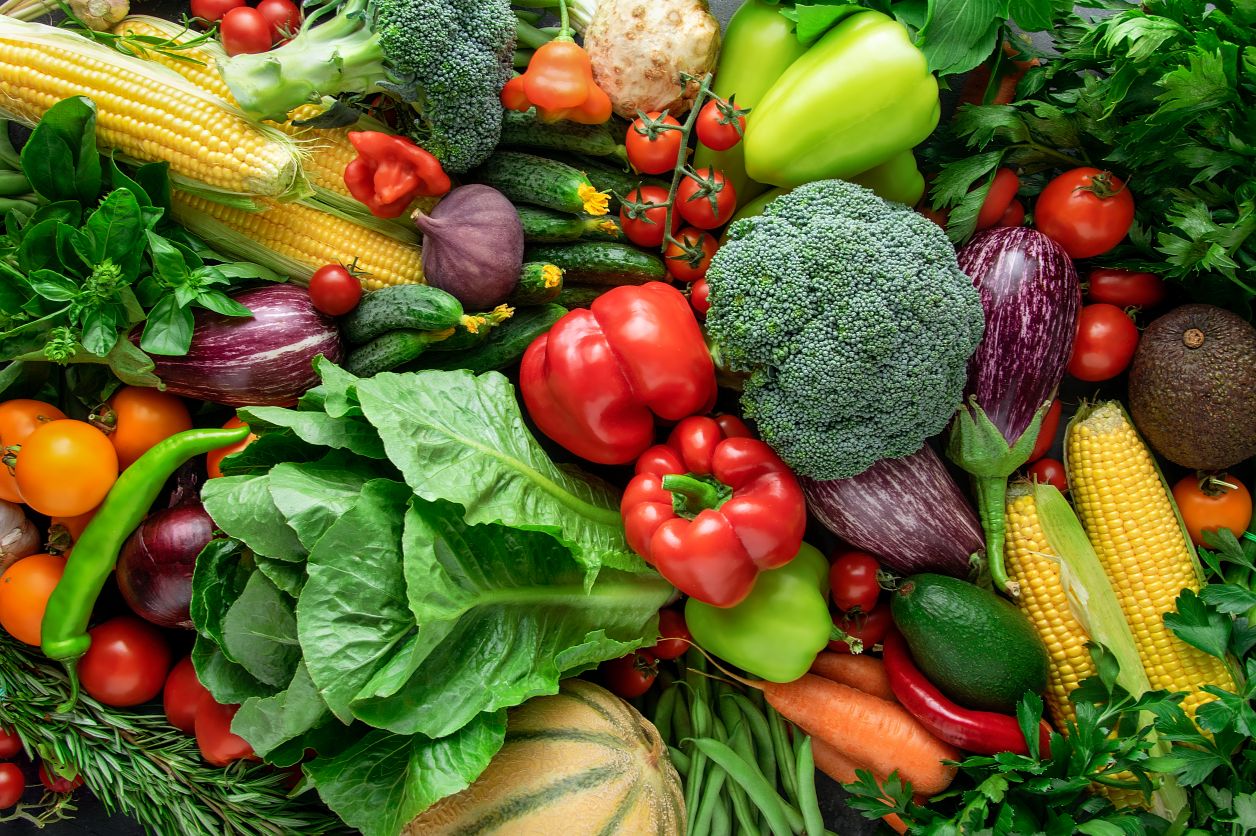
Effective vegetable storage is essential for minimizing food waste, preserving freshness, and maximizing nutritional value. This abstract explores practical strategies for prolonging the shelf life of vegetables, including optimal temperature and humidity conditions, proper sorting and preparation techniques, and innovative storage methods such as vacuum sealing and root cellar storage. By implementing these strategies, individuals can enjoy longer-lasting, more flavorful produce while contributing to a more sustainable and efficient kitchen.
- Control Temperature and Humidity: Store vegetables at the optimal temperature and humidity levels to prolong freshness.
- Choose the Right Containers: Use breathable containers or perforated plastic bags to maintain airflow and prevent moisture buildup.
- Sort and Prepare Vegetables: Inspect, clean, and prepare vegetables before storage to remove damaged or spoiled portions.
- Store Vegetables Separately: Group vegetables with similar storage requirements together to optimize freshness and prevent cross-contamination.
- Use Refrigerator Space Efficiently: Maximize refrigerator space by utilizing adjustable shelving, stackable containers, and vertical storage solutions.
- Consider Root Cellar Storage: Explore underground or partially buried root cellars for long-term storage of root vegetables and other produce.
- Vacuum Seal for Long-Term Preservation: Use vacuum sealing to create an airtight environment that extends the shelf life of vegetables.
- Dehydrate for Compact Storage: Dehydrate vegetables to remove moisture and create lightweight, compact storage options.
- Freeze for Extended Storage: Freeze vegetables to maintain freshness and flavor for longer periods, especially for seasonal produce.
- Refresh Stored Vegetables: Revive and rejuvenate stored vegetables using techniques such as soaking in ice water or blanching to restore texture and flavor.
Introducing a solution-driven journey to revolutionize your kitchen habits and bid farewell to unnecessary waste! In this comprehensive guide, we delve into the realm of "Say Goodbye to Waste: Practical Strategies for Long-Term Vegetable Storage." Discover the importance of proper storage techniques and embark on a journey through essential subtopics, including understanding the significance of optimal storage conditions, selecting the right containers, mastering temperature and humidity control, sorting and preparing vegetables for prolonged freshness, exploring innovative preservation methods such as vacuum sealing and dehydration, and unlocking the secrets to reviving and refreshing stored vegetables. Get ready to transform your kitchen into a haven of efficiency and sustainability as we equip you with the knowledge and tools to maximize the shelf life of your beloved vegetables. Let's dive in!
Choosing the Right Containers: Options and Considerations
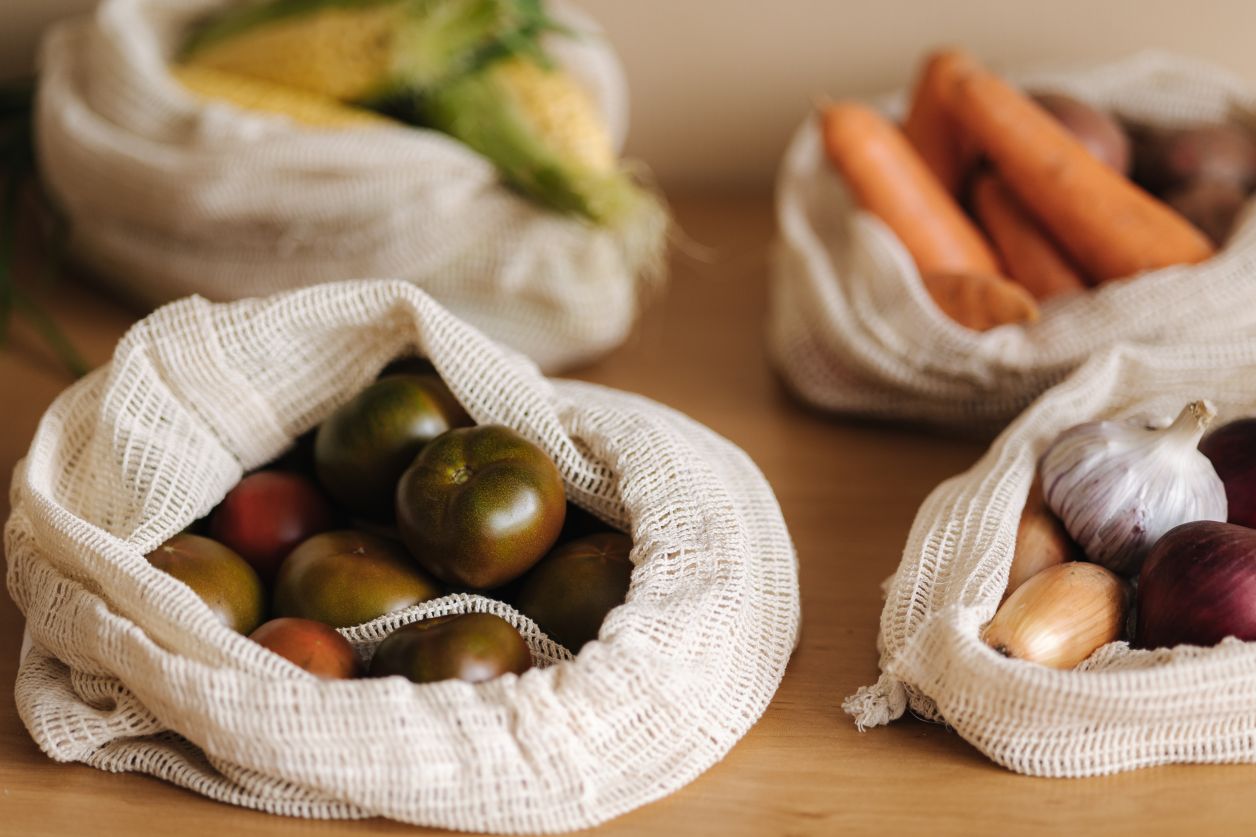
When it comes to vegetable storage, choosing the right containers is a crucial step in ensuring optimal freshness and longevity. The market offers a plethora of options, each with its own set of considerations to weigh. Let's delve into the various container choices and the factors to consider when selecting the perfect vessel for your vegetables.
One popular option for vegetable storage is breathable containers or bags made from materials like mesh or cotton. These containers allow air to circulate around the vegetables, preventing moisture buildup and reducing the risk of spoilage. Additionally, they are reusable and environmentally friendly, making them a sustainable choice for conscientious consumers. When opting for breathable containers, consider the size and shape to ensure they accommodate the volume and types of vegetables you typically store.
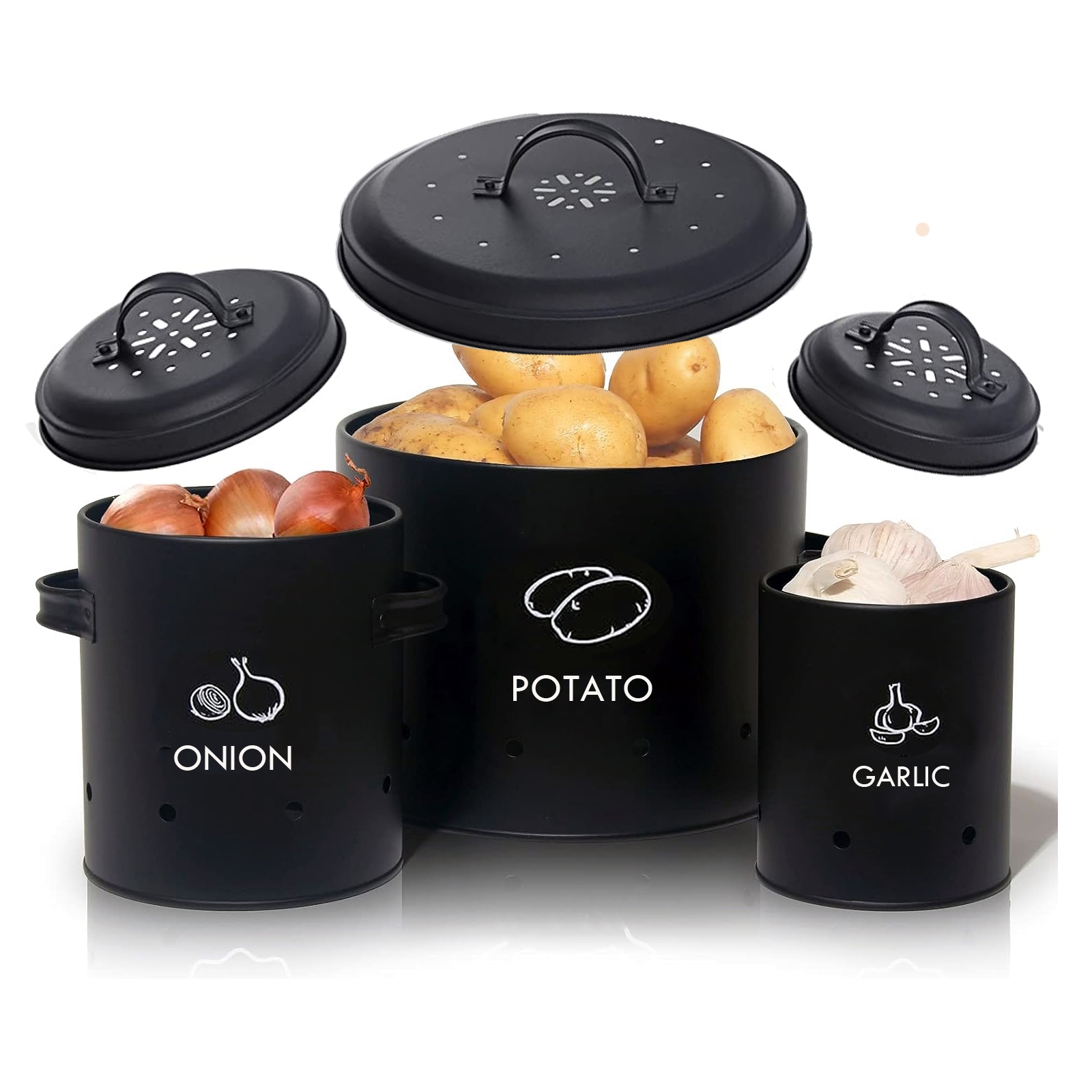
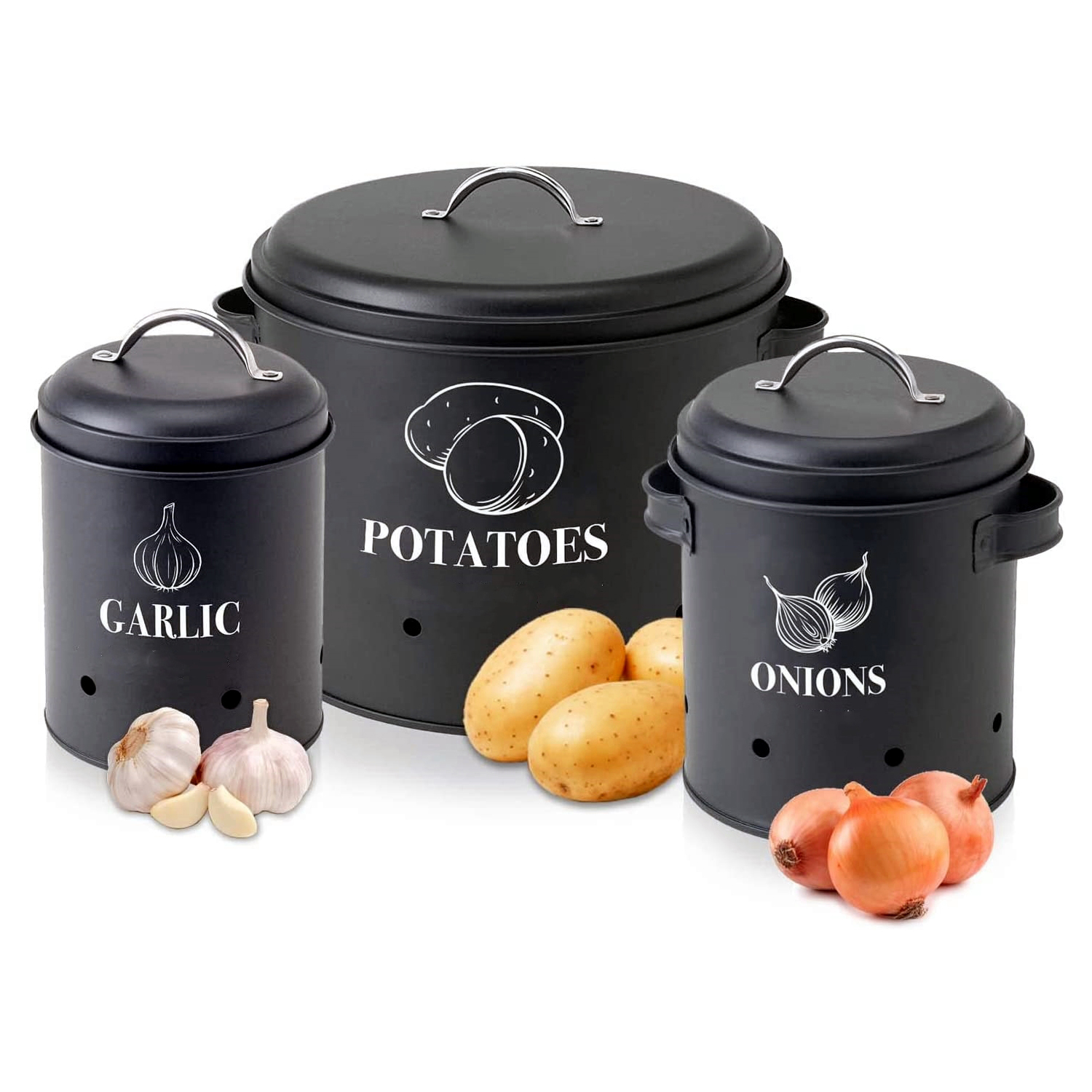
Another consideration is perforated plastic bags, which strike a balance between breathability and moisture retention. These bags feature small holes that allow for air circulation while still providing some level of moisture control. Perforated bags are particularly useful for storing vegetables like mushrooms and herbs, which benefit from a slightly humid environment. However, it's essential to avoid overfilling these bags to prevent overcrowding and damage to the vegetables.
For those seeking more specialized solutions, there are containers specifically designed for vegetable storage, such as produce drawers with adjustable humidity settings. These drawers provide a controlled environment that can be tailored to the specific needs of different types of vegetables. High humidity settings are ideal for leafy greens, while lower humidity settings are suitable for root vegetables. Additionally, some containers feature ethylene absorbers or filters to help prolong the freshness of produce by reducing ethylene gas buildup, which accelerates ripening and spoilage.
When selecting containers, it's essential to consider factors such as durability, ease of cleaning, and space efficiency. Opt for containers made from high-quality materials that are dishwasher-safe and resistant to stains and odors. Additionally, consider the size and shape of the containers to ensure they fit comfortably in your refrigerator or pantry without wasting valuable space.
Temperature and Humidity: Key Factors in Vegetable Storage
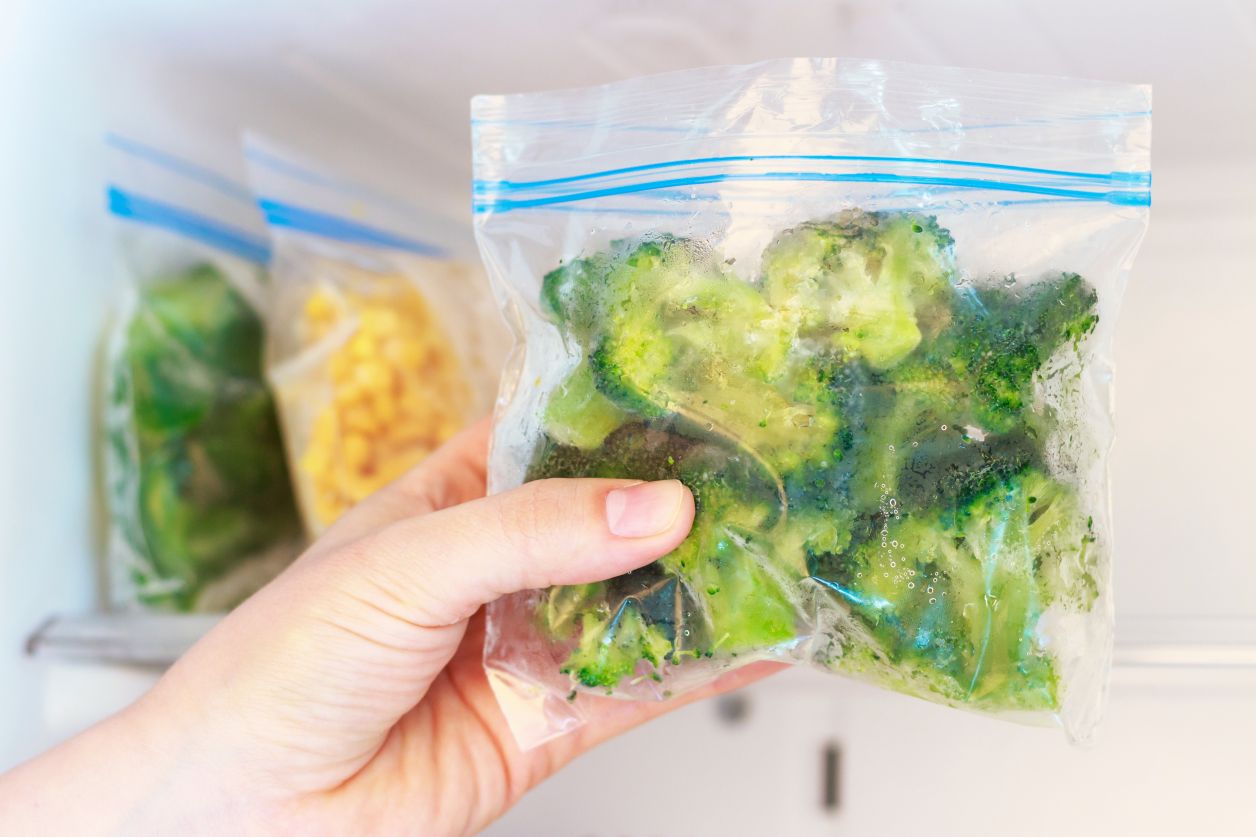
Temperature and humidity are two critical factors that significantly influence the shelf life and quality of vegetables during storage. Understanding how these elements interact and affect different types of produce is essential for maximizing freshness and minimizing waste.
Firstly, let's explore the role of temperature in vegetable storage. Most vegetables prefer cool but not cold temperatures, typically ranging from 32 to 40 degrees Fahrenheit (0 to 4 degrees Celsius). Storing vegetables at temperatures above this range can accelerate spoilage, while colder temperatures can cause chilling injury and negatively impact flavor and texture. Therefore, it's essential to find the right balance and avoid subjecting vegetables to extreme temperature fluctuations.
Additionally, certain vegetables have specific temperature preferences based on their biological makeup and natural storage conditions. For example, leafy greens like lettuce and spinach thrive in cooler temperatures and high humidity environments, which help maintain crispness and prevent wilting. In contrast, root vegetables such as carrots and potatoes prefer slightly warmer temperatures but still benefit from cool, dark storage spaces to inhibit sprouting and spoilage.
Humidity is another crucial factor that influences vegetable storage outcomes. Different vegetables have varying humidity requirements, with some preferring high humidity to prevent wilting and dehydration, while others thrive in low humidity to prevent mold and rot. Leafy greens, for instance, benefit from higher humidity levels to retain moisture and crispness, while root vegetables prefer lower humidity to prevent excess moisture buildup and decay.
Maintaining optimal humidity levels can be challenging, especially in home storage environments. However, there are several strategies you can employ to regulate humidity and create an ideal storage environment for your vegetables. For instance, storing vegetables in perforated plastic bags or breathable containers can help control humidity levels by allowing excess moisture to escape while still providing some degree of protection against dehydration.
Furthermore, grouping vegetables with similar humidity requirements together can help create microclimates within your refrigerator or pantry, ensuring that each type of produce receives the ideal conditions for maximum freshness. Additionally, regularly monitoring humidity levels and adjusting storage conditions as needed can help mitigate the risk of spoilage and prolong the shelf life of your vegetables.
Sorting and Preparing Vegetables for Long-Term Storage
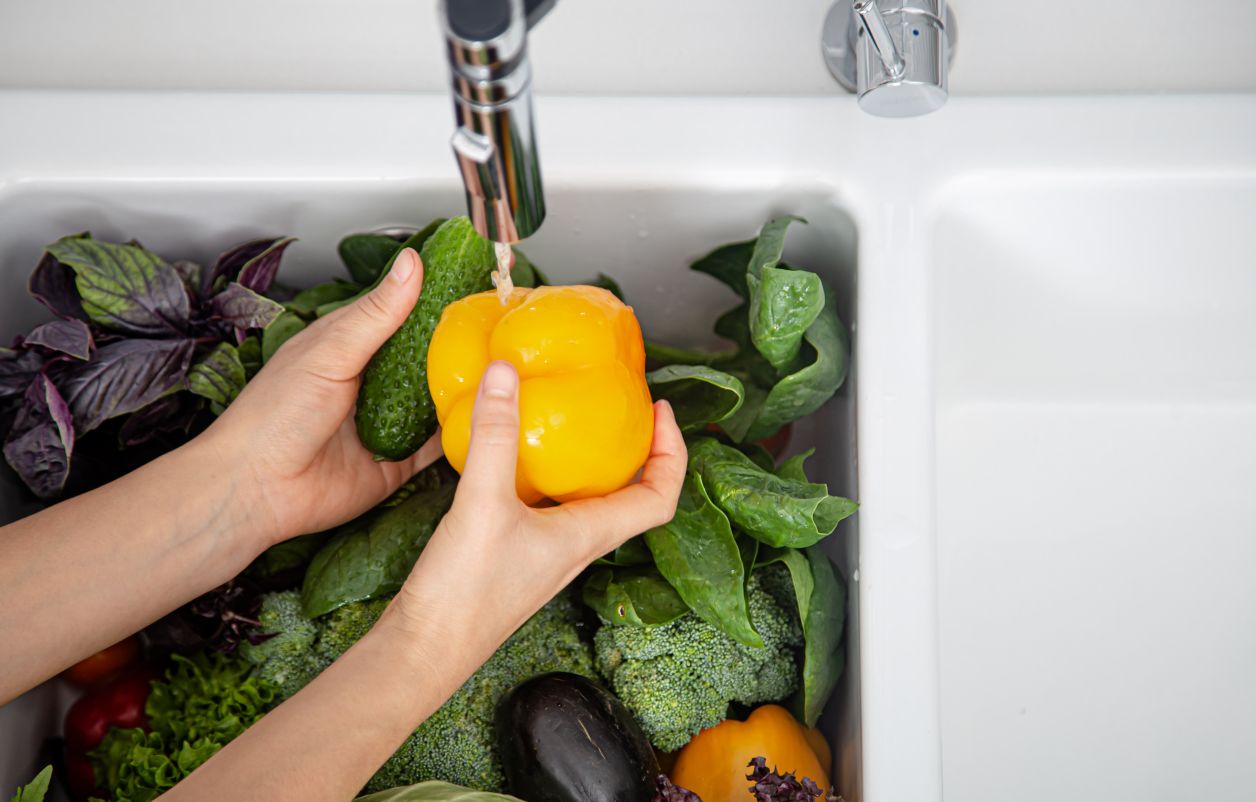
Sorting and preparing vegetables for long-term storage is a fundamental step in ensuring their freshness and quality are preserved over time. This process involves inspecting, cleaning, and sometimes prepping vegetables before storing them, with the goal of removing any damaged or spoiled portions and optimizing their storage conditions.
The first step in sorting vegetables for long-term storage is to carefully inspect each item for signs of damage, bruising, or decay. Remove any vegetables that show visible signs of spoilage, as these can accelerate the deterioration of surrounding produce. Additionally, discard any vegetables that have soft spots, mold growth, or unpleasant odors, as these are indicators of spoilage and potential health risks.
Once the sorting process is complete, it's time to prepare the vegetables for storage. For leafy greens and herbs, gently wash them in cold water to remove any dirt or debris, being careful not to crush or bruise the delicate leaves. After washing, thoroughly dry the vegetables using a salad spinner or by patting them dry with clean paper towels. Excess moisture can promote mold growth and accelerate spoilage, so it's essential to ensure that the vegetables are completely dry before storage.
Root vegetables such as carrots, potatoes, and onions require a slightly different approach to preparation. Start by removing any soil or dirt from the surface of the vegetables using a soft brush or damp cloth. Avoid washing root vegetables with water, as excess moisture can lead to rotting and spoilage. Instead, store root vegetables in a cool, dark place with good air circulation to prevent sprouting and extend their shelf life.
For vegetables that require peeling or trimming, such as carrots, beets, and celery, it's best to wait until just before use to minimize nutrient loss and maintain freshness. However, if you prefer to pre-prep vegetables for convenience, be sure to store them properly to prevent spoilage. Cut vegetables should be stored in airtight containers or resealable bags in the refrigerator to maintain freshness and prevent dehydration.
When sorting and preparing vegetables for long-term storage, it's essential to consider the specific requirements of each type of produce and tailor your approach accordingly. By taking the time to inspect, clean, and prepare your vegetables before storage, you can ensure that they remain fresh, flavorful, and nutritious for extended periods, minimizing food waste and maximizing your enjoyment of seasonal produce.
Tips for Extending Shelf Life: Which Vegetables Last Longer?
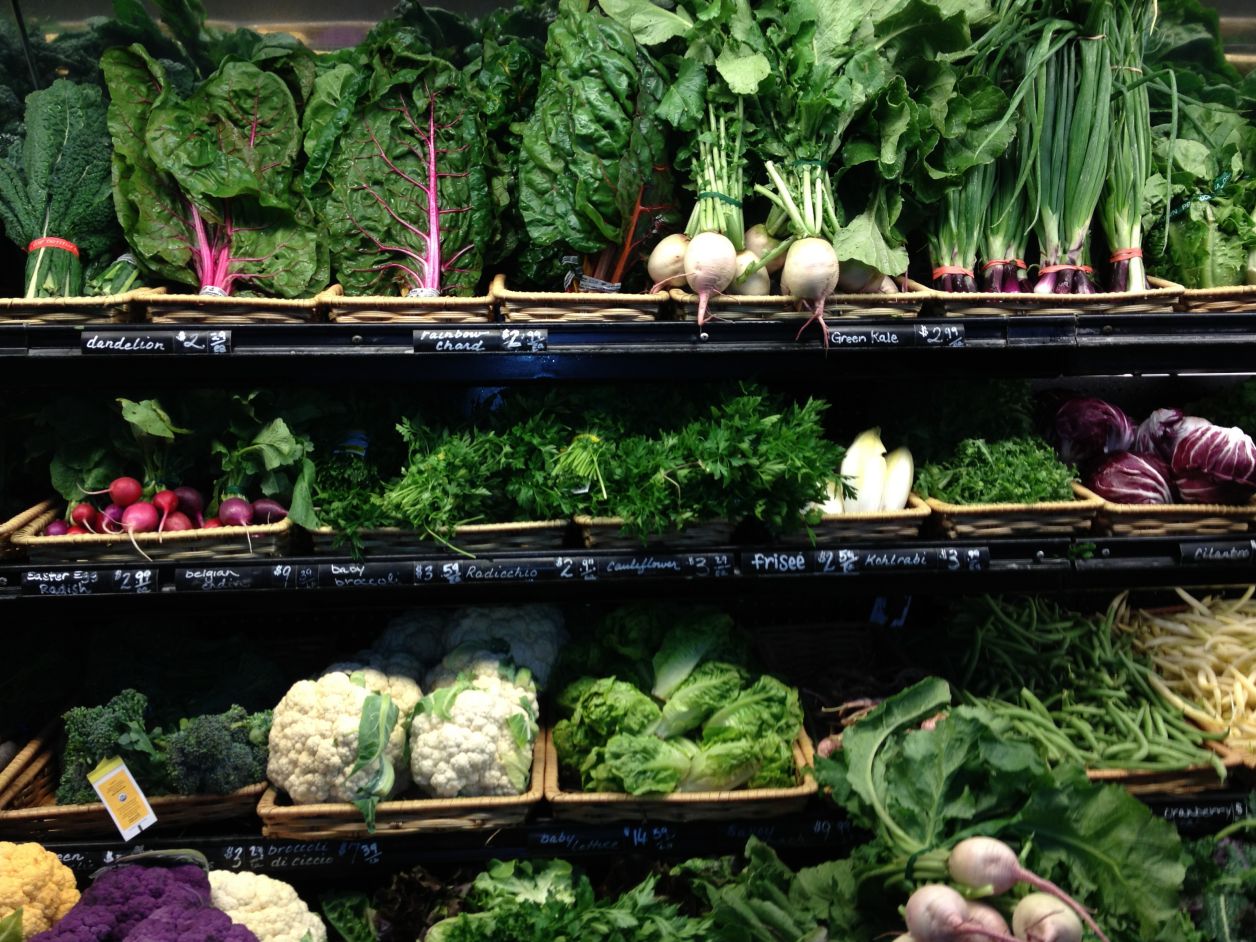
Tips for extending shelf life are invaluable for anyone looking to reduce food waste and maximize the freshness of their vegetables. Knowing which vegetables have longer shelf lives and how to store them properly can make a significant difference in minimizing spoilage and ensuring that your produce stays fresh for as long as possible.
Leafy greens such as kale, spinach, and Swiss chard tend to have relatively short shelf lives compared to other vegetables. To extend the freshness of these delicate greens, it's essential to store them properly. One effective method is to rinse the greens in cold water, gently shake off excess moisture, and then wrap them in a clean, dry towel before placing them in a perforated plastic bag or breathable container in the refrigerator. This helps remove excess moisture and prevents wilting, keeping the greens crisp and vibrant for longer.
Root vegetables like carrots, beets, and potatoes have longer shelf lives compared to leafy greens and can be stored for several weeks under the right conditions. To maximize the shelf life of root vegetables, it's essential to store them in a cool, dark place with good air circulation. Avoid storing root vegetables in plastic bags or containers that trap moisture, as this can promote mold growth and spoilage. Instead, opt for breathable storage solutions like mesh bags or wooden crates that allow air to circulate freely.
Onions, garlic, and shallots are known for their long shelf lives and can be stored for several months if properly cured and stored. To extend the shelf life of these alliums, it's crucial to store them in a cool, dry place with good ventilation, such as a pantry or cellar. Avoid storing onions and garlic near potatoes, as the gases they emit can cause potatoes to sprout and spoil more quickly. Additionally, avoid storing onions and garlic in plastic bags or containers, as this can trap moisture and lead to mold growth.
Winter squash varieties such as butternut squash, acorn squash, and spaghetti squash also have long shelf lives and can be stored for several months under the right conditions. To maximize the shelf life of winter squash, it's essential to store them in a cool, dry place with good air circulation, such as a pantry or cellar. Avoid storing winter squash in the refrigerator, as the cold temperatures can cause them to spoil more quickly. Instead, store winter squash in a single layer on a shelf or countertop where they can receive adequate airflow.
By following these tips for extending shelf life and knowing which vegetables last longer, you can minimize food waste and enjoy fresh, flavorful produce for longer periods. Whether you're storing leafy greens, root vegetables, alliums, or winter squash, proper storage techniques can make a significant difference in preserving the quality and freshness of your vegetables. With a little knowledge and preparation, you can make the most of your vegetable supplies and reduce waste in your kitchen.
Vacuum Sealing: A Game-Changer for Long-Term Vegetable Preservation
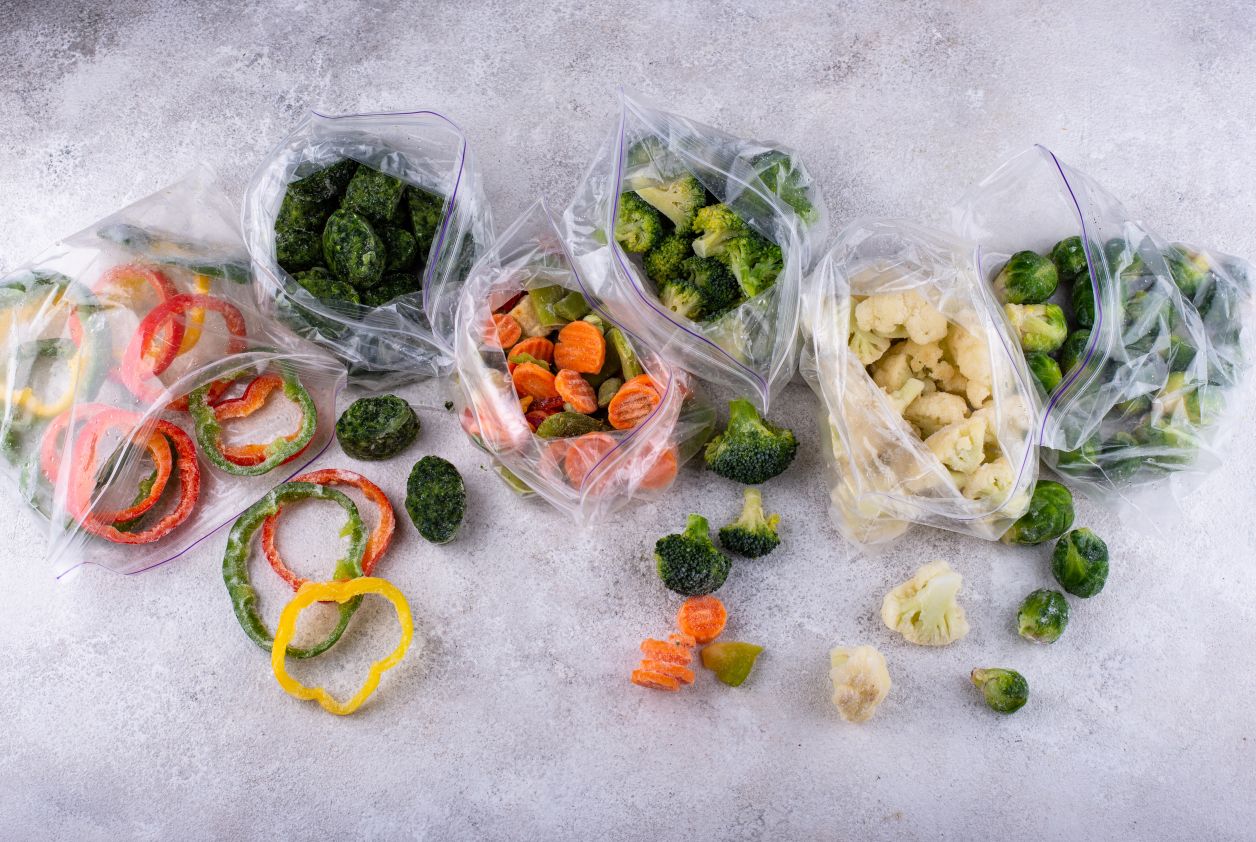
Vacuum sealing has emerged as a game-changer in the realm of long-term vegetable preservation, offering an efficient and effective way to extend the shelf life of produce while preserving its flavor, texture, and nutritional value. This innovative preservation method involves removing air from specially designed vacuum-sealed bags or containers before sealing them, creating an airtight environment that helps prevent spoilage, freezer burn, and oxidative degradation.
One of the primary benefits of vacuum sealing for vegetable preservation is its ability to remove oxygen from the storage environment. Oxygen is a primary culprit in the deterioration of fresh produce, as it promotes the growth of aerobic bacteria and fungi that can cause spoilage and decay. By eliminating oxygen from the equation, vacuum sealing helps create an anaerobic environment that inhibits microbial growth and preserves the freshness of vegetables for longer periods.
Vacuum sealing also helps prevent the loss of moisture from vegetables, which can lead to dehydration and loss of flavor and texture. By removing air from the storage container, vacuum sealing helps create a sealed environment that minimizes moisture loss and preserves the natural juiciness and crispness of vegetables. This is particularly beneficial for delicate vegetables like leafy greens, which are prone to wilting and dehydration during storage.
Another advantage of vacuum sealing is its versatility and convenience. Vacuum-sealed bags and containers come in a variety of sizes and shapes, making them suitable for storing a wide range of vegetables, from leafy greens and herbs to root vegetables and peppers. Additionally, vacuum sealing allows you to portion vegetables into individual servings or meal-sized portions, making it easier to manage and utilize your vegetable supplies effectively.
Vacuum-sealed vegetables can be stored in the refrigerator, freezer, or pantry, depending on your preservation needs and preferences. In the refrigerator, vacuum-sealed vegetables can last significantly longer than conventionally stored produce, thanks to the absence of oxygen and the reduction of moisture loss. In the freezer, vacuum-sealed vegetables can be stored for even longer periods, with minimal risk of freezer burn or degradation in quality.
When vacuum sealing vegetables for long-term storage, it's essential to follow proper techniques and guidelines to ensure optimal results. Start by cleaning and preparing the vegetables as you would for regular storage, removing any dirt or debris and trimming as necessary. Next, place the vegetables in a vacuum-sealed bag or container, taking care not to overfill the container to allow for proper sealing. Finally, use a vacuum sealer to remove air from the container and create a tight seal, ensuring that the vegetables are fully protected from oxygen and moisture.
Dehydrating and Freezing Vegetables: Methods for Preservation
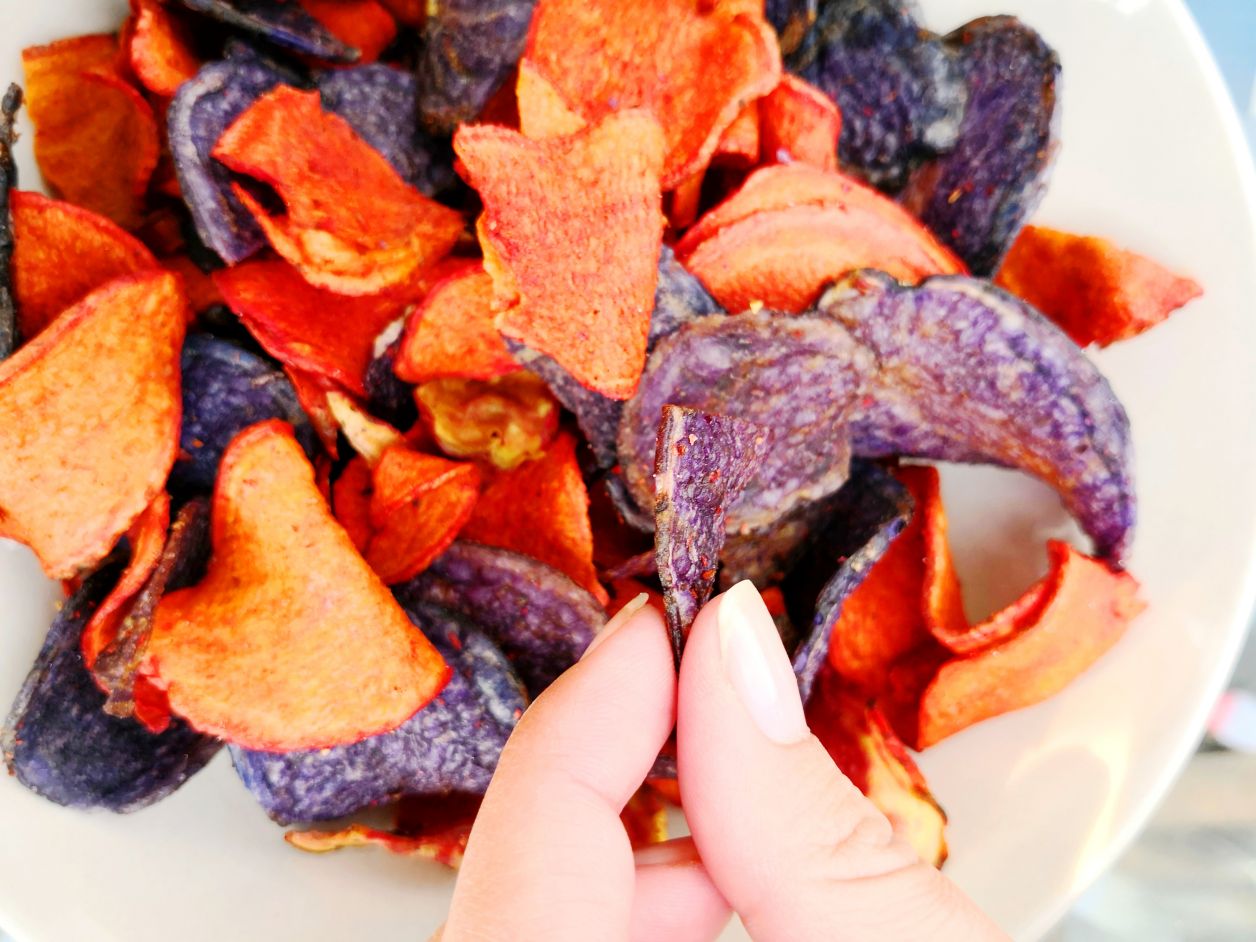
Dehydrating and freezing vegetables are two popular methods for preserving the harvest and extending the shelf life of produce. Both techniques offer unique advantages and can be used individually or in combination to maximize preservation efficiency and flexibility.
Dehydrating vegetables involves removing moisture from the produce, which inhibits the growth of bacteria, yeast, and mold that cause spoilage. This preservation method involves slicing or chopping vegetables into uniform pieces and then drying them either using a dehydrator or an oven set to a low temperature. The dehydration process concentrates the flavors of the vegetables while retaining much of their nutritional value, making them ideal for long-term storage and use in soups, stews, and other cooked dishes.
One of the primary benefits of dehydrating vegetables is its simplicity and versatility. Dehydrated vegetables are lightweight and compact, making them easy to store and transport. They also have a long shelf life when stored properly in airtight containers or vacuum-sealed bags, making them an excellent option for stocking up on seasonal produce or preserving excess harvests from the garden.
Another advantage of dehydrating vegetables is its ability to retain nutrients and flavor. Unlike other preservation methods that may result in nutrient loss or degradation, dehydration preserves the nutritional content of vegetables while intensifying their flavor. This makes dehydrated vegetables a convenient and nutritious option for adding flavor and texture to a wide range of dishes, from salads and soups to casseroles and stir-fries.
Freezing vegetables is another popular method for preserving the harvest and extending the shelf life of produce. Freezing vegetables involves blanching them briefly in boiling water to halt enzymatic activity and preserve color and texture before freezing them in airtight containers or freezer bags. Freezing vegetables helps maintain their freshness and flavor while extending their shelf life for several months or even years, depending on the type of vegetable and storage conditions.
One of the primary benefits of freezing vegetables is its simplicity and convenience. Freezing requires minimal preparation and equipment, making it an accessible preservation method for home cooks of all skill levels. Frozen vegetables can be stored in the freezer for extended periods, allowing you to enjoy your favorite seasonal produce year-round.
Additionally, freezing vegetables allows you to preserve their nutritional value and flavor. When properly blanched and frozen, vegetables retain much of their original color, texture, and nutritional content, making them a healthy and flavorful addition to a variety of dishes. Frozen vegetables are also versatile and can be used in a wide range of recipes, from smoothies and stir-fries to casseroles and pasta dishes.
In conclusion, dehydrating and freezing vegetables are two effective methods for preserving the harvest and extending the shelf life of produce. Both techniques offer unique advantages and can be used individually or in combination to maximize preservation efficiency and flexibility. Whether you're looking to stock up on seasonal produce, preserve a bountiful harvest from your garden, or simply minimize food waste in your kitchen, dehydrating and freezing vegetables are valuable tools that can help you achieve your preservation goals with ease and confidence.
Reviving and Refreshing Stored Vegetables: How to Maintain Freshness Over Time
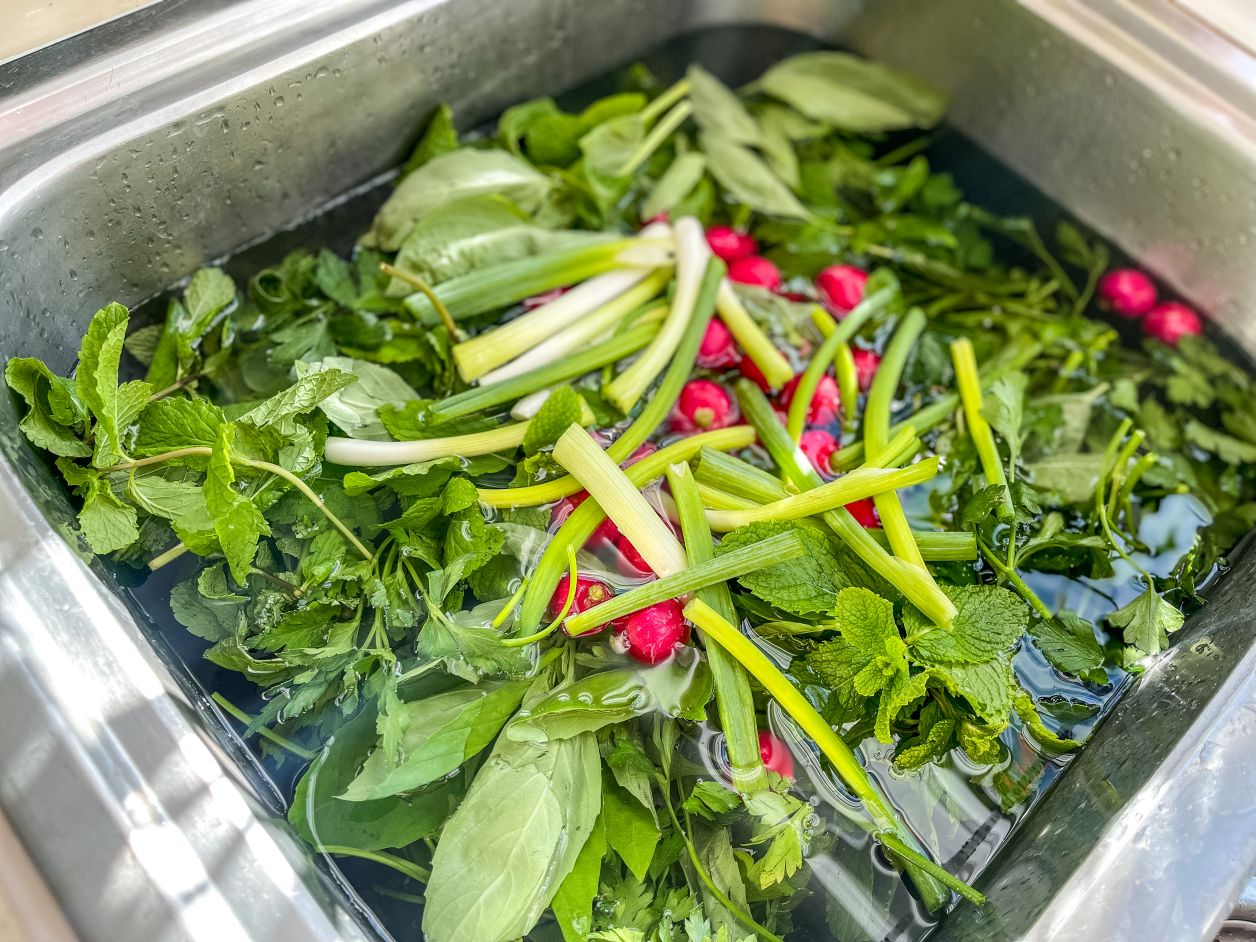
Reviving and refreshing stored vegetables is an essential skill for maintaining freshness and maximizing the lifespan of your produce over time. While proper storage techniques can help prolong the shelf life of vegetables, there may still be instances where stored vegetables begin to wilt, lose their crispness, or show signs of dehydration. Fortunately, there are several techniques you can employ to revive and refresh stored vegetables, helping to restore their texture, flavor, and nutritional value.
One effective method for reviving stored vegetables is to soak them in ice water. This technique works particularly well for leafy greens and herbs, which can quickly become wilted and limp when stored for extended periods. To revive wilted greens, simply fill a large bowl with ice water and submerge the vegetables for a few minutes. The cold water helps rehydrate the greens and restore their crispness, making them fresh and vibrant once again.
Another option for refreshing stored vegetables is to use a damp paper towel or cloth. This method is particularly useful for vegetables that have begun to lose moisture and show signs of dehydration. Simply wrap the vegetables in a damp paper towel or cloth and place them in the refrigerator for a few hours or overnight. The moisture from the towel helps replenish lost moisture in the vegetables, restoring their juiciness and crispness.
For vegetables that have lost their crispness or become slightly wilted, consider refreshing them using a quick blanching technique. Blanching involves briefly immersing vegetables in boiling water and then immediately transferring them to an ice water bath to stop the cooking process. This method helps revive the texture of vegetables and can be particularly effective for restoring crispness to vegetables like carrots, celery, and broccoli.
Additionally, consider using a vegetable brush or scrubber to gently clean and rejuvenate stored vegetables before use. Removing any dirt or debris from the surface of the vegetables can help improve their appearance and texture, making them more appealing and appetizing. Be sure to handle the vegetables gently to avoid causing further damage or bruising.
CONCLUSION
In conclusion, mastering the art of vegetable storage is not only about extending shelf life but also about minimizing food waste and maximizing the freshness and flavor of your produce. By implementing the practical strategies outlined in this post, you can create an optimal storage environment that preserves the nutritional value and deliciousness of your vegetables for longer periods. Whether you're utilizing root cellars, vacuum sealing, or simply optimizing refrigerator space, taking proactive steps to store your vegetables properly can have a significant impact on your kitchen efficiency and sustainability efforts. So, why wait? Start incorporating these tips into your routine today and enjoy the benefits of fresher, more flavorful vegetables in every meal.
FAQ
1. Q: How can I make my vegetables last longer?
A: Proper storage techniques such as controlling temperature, humidity, and airflow can help extend the shelf life of vegetables. Additionally, sorting and preparing vegetables before storage and using preservation methods like vacuum sealing or freezing can also prolong freshness.
2. Q: What are the best vegetables for long-term storage?
A: Root vegetables like carrots, potatoes, and onions, as well as winter squash varieties, tend to have longer shelf lives and are well-suited for long-term storage. Leafy greens, herbs, and delicate vegetables may have shorter shelf lives and require more careful storage.
3. Q: Should I wash vegetables before storing them?
A: It depends on the type of vegetable and your storage method. Some vegetables benefit from a quick rinse to remove dirt and debris, while others are best stored dry to prevent mold and spoilage. Always ensure vegetables are thoroughly dry before storing to prevent excess moisture buildup.
4. Q: How do I know if vegetables are still good to eat?
A: Check for signs of spoilage such as mold, mushiness, off odors, or discoloration. Use your senses—look, smell, and feel the vegetables—to determine their freshness. When in doubt, it's best to err on the side of caution and discard any questionable vegetables.
5. Q: Can I store all vegetables together in the same place?
A: While some vegetables can be stored together, it's essential to consider their individual storage requirements. For example, leafy greens prefer high humidity, while root vegetables prefer low humidity. Storing vegetables with compatible storage needs together can help optimize freshness and minimize spoilage.
6. Q: How can I prevent vegetables from spoiling in the refrigerator?
A: Properly storing vegetables in breathable containers, perforated plastic bags, or specialized produce drawers with adjustable humidity settings can help prevent spoilage. Regularly checking and rotating vegetables can also help ensure that they are used before spoiling.
7. Q: What's the best way to revive wilted vegetables?
A: Soaking wilted vegetables in ice water or using a damp paper towel or cloth to rehydrate them can help revive their crispness and freshness. Quick blanching or gentle cleaning with a vegetable brush can also help refresh vegetables that have lost their texture.
8. Q: Can I freeze all types of vegetables?
A: While many vegetables can be frozen, some may not freeze well or may require blanching before freezing to maintain quality. Leafy greens, cucumbers, and tomatoes are examples of vegetables that may not freeze well raw.
9. Q: How long can I store vegetables in the freezer?
A: The storage duration varies depending on the type of vegetable and the quality of freezing. In general, most vegetables can be stored in the freezer for six months to a year without significant loss of quality, though proper packaging and storage conditions are essential.
10. Q: Are there any vegetables that should not be stored in the refrigerator?
A: Yes, some vegetables are sensitive to cold temperatures and can suffer from chilling injury or loss of flavor and texture when refrigerated. Examples include tomatoes, potatoes, onions, garlic, and winter squash. These vegetables are best stored in a cool, dark place with good airflow.
Sprinkle, Sprout, Shine: Insider Secrets for Garden Watering Mastery
The Bread Bin Dilemma: Tips for Finding Your Ideal Storage Solution
Related blog