Mastering the Art of Flower Arrangement: Techniques for Structure, Balance, and Longevity
Mastering the basic skills of flower arranging is the key to creating a successful piece. Flower arranging is not just about arranging flowers in a random manner, but it needs to incorporate elements of structure, proportion, and balance to make the work both beautiful and harmonious. At the same time, the longevity of flower arrangements and flower care techniques are essential knowledge for flower arrangers. Here are a few key tips in flower arranging.
Structure and composition: how to determine the skeleton and shape of a flower arrangement
The skeleton and shape of a flower arrangement is the foundation of the entire piece, and like the framework of a building, it determines the overall outline and style of the arrangement. The process of determining the skeleton and shape requires the flower arranger to take into account both aesthetic principles and the natural state of the flower material.
Triangle Composition
The triangle is one of the most common forms of composition in flower arranging. It creates a visual triangle by the height and position of the floral material, a structure that is stable and balanced. Triangle composition is usually used in oriental flower arrangements to emphasize the balance of a small amount of floral material. The three vertices of the triangle often represent heaven and earth or the main, secondary and supporting elements of the floral arrangement.
Radial Composition
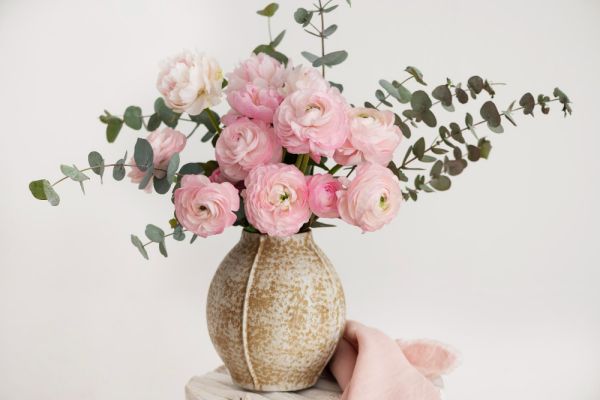
Radial composition is usually used in western flower arrangements, where multiple flowers are arranged radially from the center to the surroundings. Such a composition gives a sense of expansion and explosion, and is suitable for scenes of enthusiasm, exuberance and celebration. Radial composition creates a rich sense of hierarchy and movement, and is suitable for large-scale occasions.
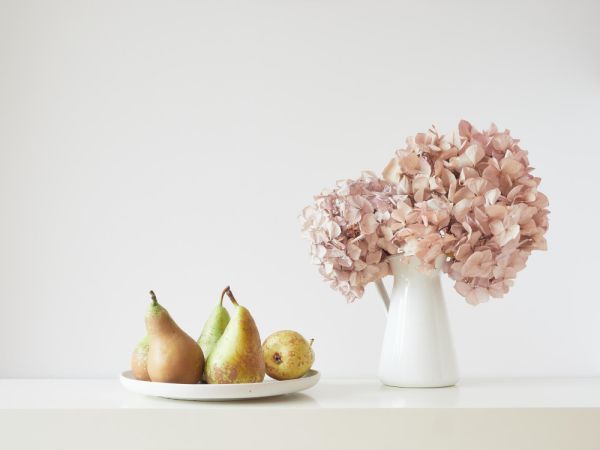
Horizontal Composition
Horizontal composition is a lower, more extended structure of flower arrangements, commonly found in banquet table flowers or tea ceremony floral arrangements. By placing the flowers horizontally or slightly tilted, a natural sense of spread can be formed, giving a calm and soothing visual effect. Horizontal composition needs to pay attention to the sparseness and balance of the flowers, so as not to lose the sense of hierarchy.
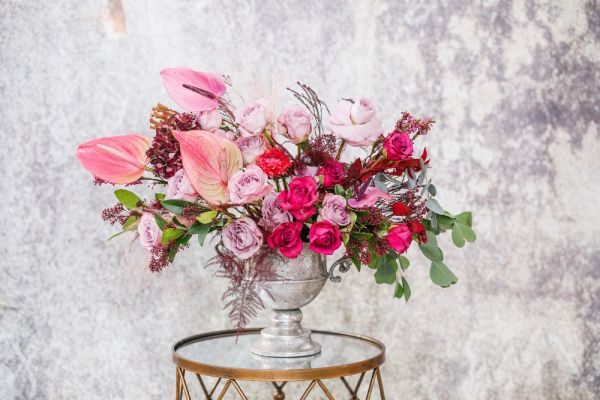
Linear Composition
Linear composition emphasizes the sense of line and extensibility of the floral material, often using long branches or slender foliage to create clean, elegant lines. Linear composition is suitable for the expression of minimalist and modern style works, especially in small spaces, can be expressed through the streamlined lines of delicate beauty.
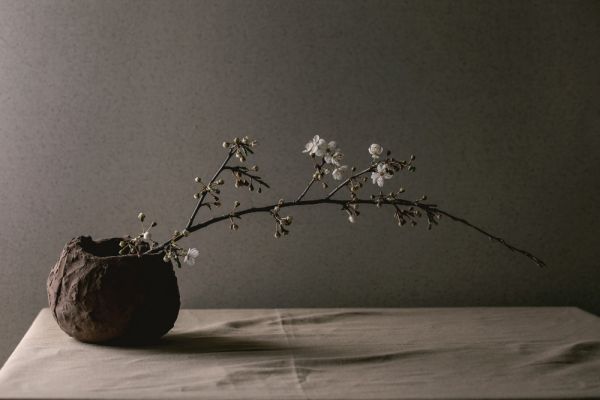
Recommend flower pot


Proportion and balance: height, distance and visual equilibrium
Proportion and balance are crucial in flower arranging. Good proportions make the work look harmonious, while balance ensures visual stability.
- Control of Proportion: Proportion in flower arranging refers to the relative sizes of the flowers to the container and between the flowers. Usually, the height of the floral material should be about 1.5 to 2 times the height of the container in order to make the piece look visually balanced and unnatural. For example, when using a tall, skinny vase, longer floral arrangements should be chosen, while in a wider, shallow dish, the height of the floral arrangements should be reduced accordingly to maintain overall proportional harmony.
- Layout of height and distance: In flower arranging, the change of height can make the work layered and dynamic. Tall floral material is usually the visual focal point of the piece, while low floral material is used to fill in the blank areas. Placing tall floral material at the back or center and low floral material at the front or edges creates a sense of depth and makes the piece more three-dimensional and lively.
- VISUAL BALANCE: Balance is when the sense of weight and visual impact of different parts of a piece remain relatively equal. Balance does not have to be symmetrical; it can be achieved through asymmetry. For example, placing larger floral arrangements on one side and filling in the other side with more smaller floral arrangements can bring the same sense of visual harmony to a layout. The distribution of colors can also affect balance, for example, darker or more saturated flowers appear heavier while lighter or more transparent flowers appear lighter, and the floral arranger can balance the piece by matching these elements.
Flower care tips: how to extend the life and freshness of flower arrangements
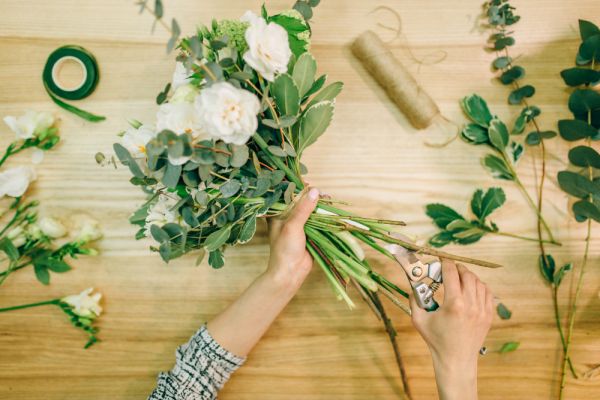
Flower care tips are the key to ensuring that your flower arrangements stay beautiful and fresh for a long time. With a few simple tips, flower arrangers can extend the life of their flower arrangements and keep them looking their best.
- Trim the stems: Before flowers are inserted into a container, the stems need to be trimmed. The bottom of the flower stem should be cut at an oblique angle, which increases the area for water absorption. It is best to prune underwater to avoid air getting into the stems and preventing water absorption. Pruning should be done on a regular basis, recutting every few days to keep the flowers fresh.
- KEEP THE WATER CLEAN: Regular water changes are an important measure to extend the life of your flowers. Change the water in the container every 1-2 days and make sure that the bottom of the flower stems are not submerged in dirty water. You can add a small amount of flower preservative to the water to help minimize the growth of bacteria and extend the life of your flowers. If you don't have a preservative, you can also use a small amount of a sugar and vinegar mixture to achieve a similar effect.
- Control temperature and light: Flowers prefer a cooler environment, so avoid placing flower arrangements in direct sunlight or near heat sources. Especially at night, moving the arrangement to a room or area with cooler temperatures can help prolong the survival of the flowers. Too much light or high temperatures can accelerate the wilting of the flowers and cause the piece to fade quickly.
- Clean up wilted parts: As soon as you notice that a flower arrangement is beginning to wilt, cut off the wilted parts to prevent them from affecting the health of the rest of the arrangement. Petals and leaves in particular tend to rot and harbor bacteria when they fall into water, so it's important to keep the inside of the container clean.
- Use a flower preservation spray: There are special flower preservation sprays on the market that can be sprayed on the foliage and petals of the flowers to slow down their aging. This spray locks in the moisture and slows down the dehydration process, keeping the flowers fresh for a longer period of time.
Conclusion
Mastering the basic techniques of flower arranging is essential for creating beautiful, harmonious pieces. Key skills include understanding structure and composition, such as using triangular, radial, horizontal, and linear forms to shape arrangements. Proportion and balance are equally important, ensuring that the flowers and containers are visually aligned while maintaining equilibrium in height, distance, and color distribution. Proper flower care, such as trimming stems, keeping water clean, controlling temperature, and using preservation sprays, helps extend the life and freshness of arrangements, ensuring they remain vibrant and long-lasting.
The Art of Flower Arrangement: Enhancing Home, Celebrations, and Healing the Soul
What is Ikebana?
Related blog