The Bread Bin Dilemma: Tips for Finding Your Ideal Storage Solution
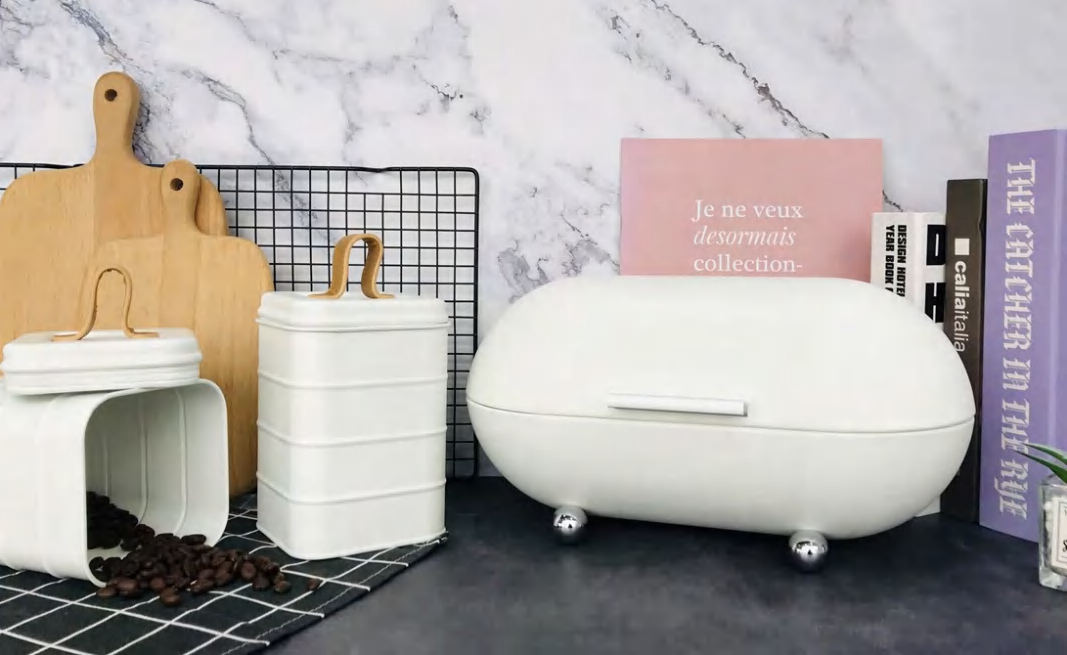
This article explores the many facets of breadboxes, from practical function to aesthetic appeal. Topics covered in the article include size considerations, ventilation, cleaning and space-saving solutions. With expert advice and tips, readers can gain insight into how to choose the right breadbox for their needs.
- Choose the right size: Select a bread bin that fits your kitchen space and accommodates your bread consumption habits.
- Consider ventilation: Look for bread bins with adequate ventilation to prevent moisture buildup and keep bread fresh longer.
- Check the seal: Ensure the bread bin has an airtight seal to maintain freshness and prevent air exposure.
- Opt for durable materials: Choose a bread bin made from sturdy and easy-to-clean materials like stainless steel, wood, or plastic.
- Clean regularly: Clean your bread bin regularly to remove crumbs and debris, preventing mold and odors.
- Store in a cool, dry place: Keep your bread bin away from heat sources and direct sunlight to prolong bread freshness.
- Use additional storage features: Take advantage of built-in features like cutting boards or knife storage to maximize functionality.
- Rotate bread: Rotate older bread to the front of the bin to ensure even consumption and minimize waste.
- Consider alternative uses: Explore using your bread bin to store other baked goods or kitchen items to maximize utility.
- Invest in quality: Choose a high-quality bread bin that offers durability, functionality, and long-lasting freshness for your bread.
"Unlock the secret to fresher, tastier bread with the perfect bread bin – where freshness meets style in every slice."

Welcome to the ultimate guide for bread fans and kitchen enthusiasts! As we embark on this journey together, we'll go through the elements to help you find the ideal storage solution for your beloved bread. From understanding the importance of material selection to getting the hang of ventilation, we'll leave no stone unturned. Join me as I delve into the breadbox conundrum, exploring topics ranging from size and capacity considerations to the importance of style and aesthetics. Whether you're looking for a space-saving solution for a compact kitchen or an affordable option without compromising on quality, rest assured that your bread bin needs will be met. So let's delve deeper and uncover the secrets to keeping your bread fresh, flavourful and perfectly preserved!
Material Matters: Exploring the Pros and Cons of Different Bread Bin Materials

When it comes to selecting the perfect bread bin, one of the foremost considerations is the material from which it's made. Each material offers its own set of advantages and disadvantages, influencing factors such as durability, aesthetics, and even the bread's freshness. Let's delve into the most common materials used in bread bin construction and explore their unique characteristics.
Firstly, we have plastic bread bins, which are often favored for their affordability and lightweight design. Plastic bins are easy to clean and maintain, making them a practical choice for busy kitchens. However, some may find that plastic lacks the durability and aesthetic appeal of other materials, and over time, it may become prone to scratching or discoloration.
On the opposite end of the spectrum, we have metal bread bins, typically constructed from stainless steel or aluminum. Metal bins offer a sleek and modern appearance, adding a touch of sophistication to any kitchen countertop. In addition, metal offers excellent durability, ensuring that your bread bin will stand the test of time. However, it's important to note that metal bread bins may not be as well insulated as other materials, and if not properly ventilated, may cause your bread to go stale more quickly.
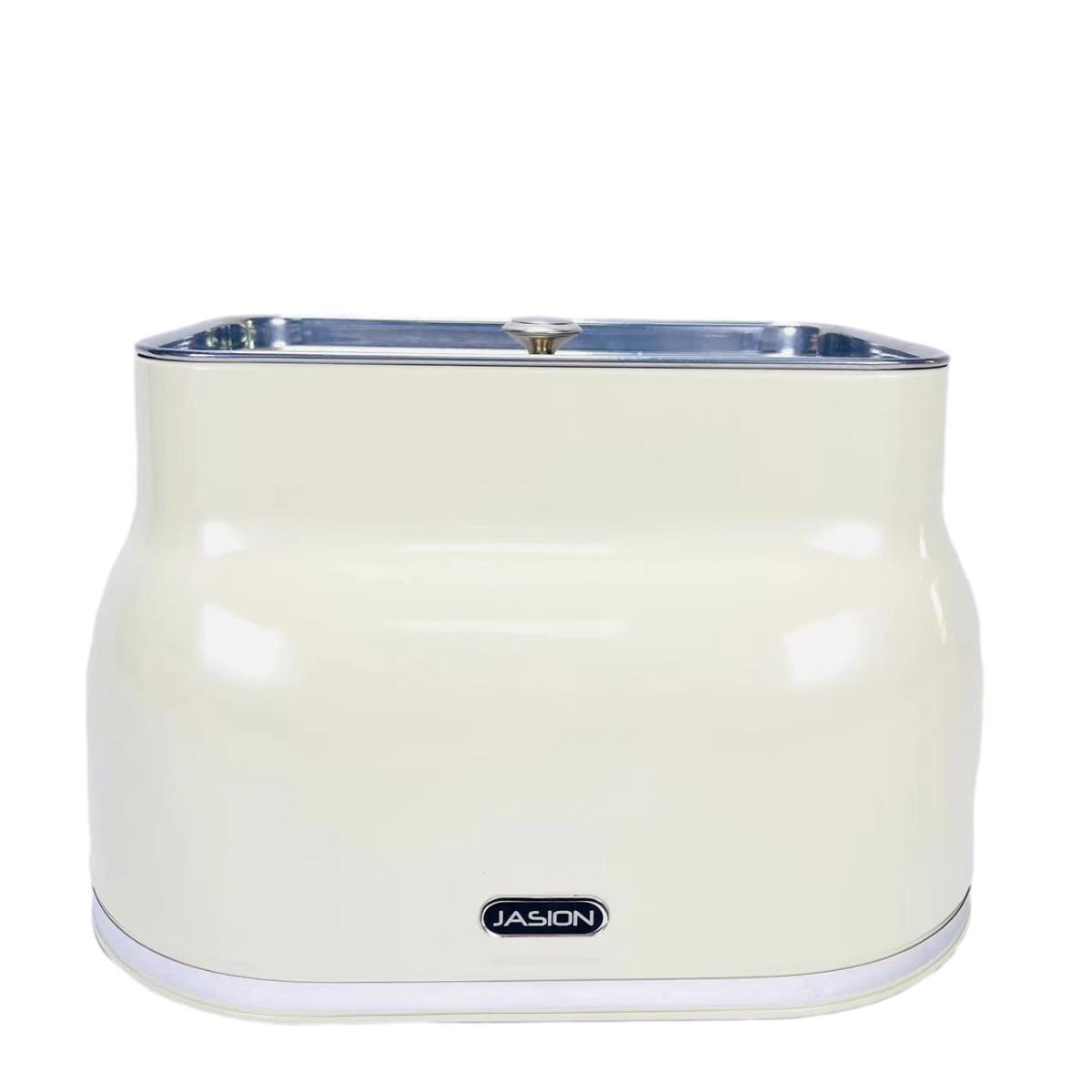
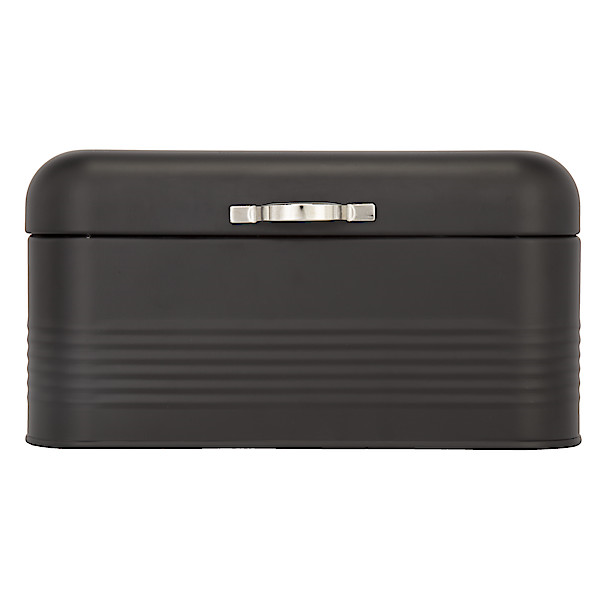
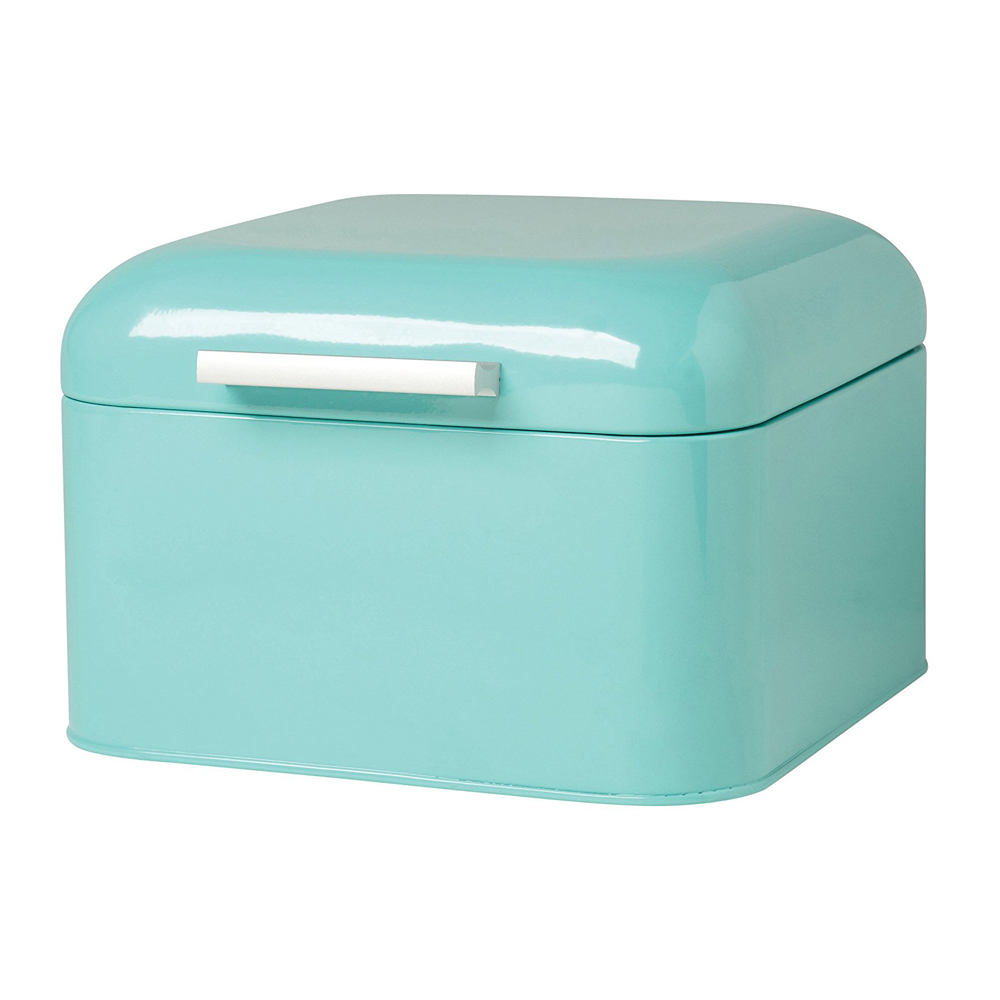
Wooden bread bins present a classic and rustic option for those seeking a more traditional look. Wood naturally absorbs moisture, helping to regulate humidity levels and keep bread fresher for longer. Additionally, wooden bins often feature intricate craftsmanship, making them a beautiful and decorative addition to any kitchen. However, wood requires regular maintenance to prevent mold or mildew growth, and it may not be as resilient to wear and tear as other materials.
Finally, ceramic bread bins offer both style and functionality, with their elegant designs and excellent insulation properties. Ceramic bins help to maintain optimal moisture levels, ensuring that your bread stays fresh and flavorful. Additionally, ceramic is non-reactive, meaning it won't impart any unwanted flavors or odors onto your bread. However, ceramic can be fragile and may chip or crack if mishandled, so it's essential to handle with care.
In conclusion, each bread bin material brings its own unique set of benefits and drawbacks to the table. Consider your personal preferences, kitchen aesthetic, and bread storage needs when making your selection. Whether you opt for plastic, metal, wood, or ceramic, rest assured that with proper care, your bread bin will serve as the perfect storage solution for keeping your loaves fresh and delicious.
Size and Capacity: Determining the Right Bread Bin Size for Your Kitchen Needs
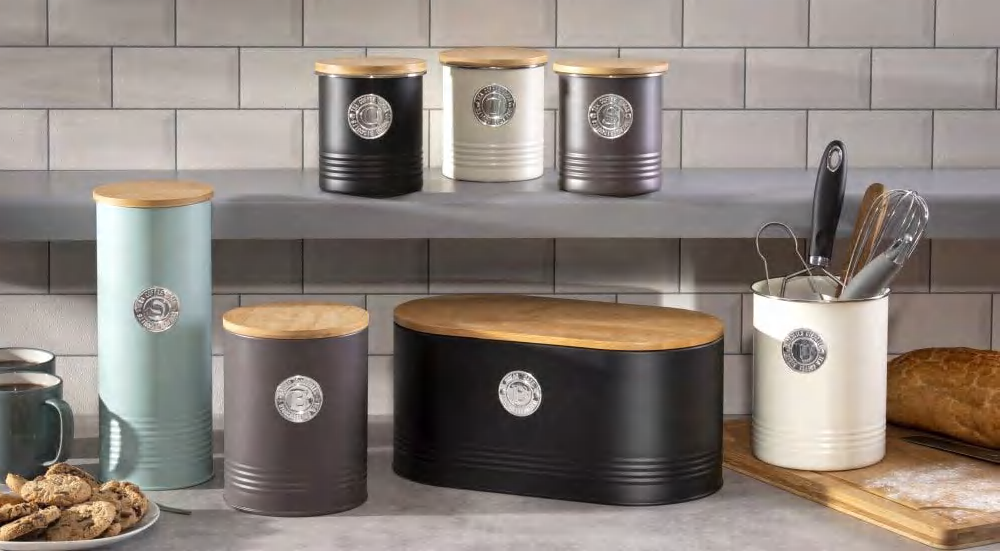
Size and capacity are crucial considerations that can greatly impact your bread storage experience. Determining the appropriate size depends on several factors, including the amount of bread you typically consume, the available space in your kitchen, and whether you prefer to store other baked goods alongside your loaves.
Firstly, assess your bread consumption habits. If you frequently bake or purchase large loaves or multiple varieties of bread, you'll need a bread bin with ample capacity to accommodate your needs. Conversely, if you tend to consume smaller quantities of bread or prefer to buy fresh loaves more frequently, a smaller bread bin may suffice.
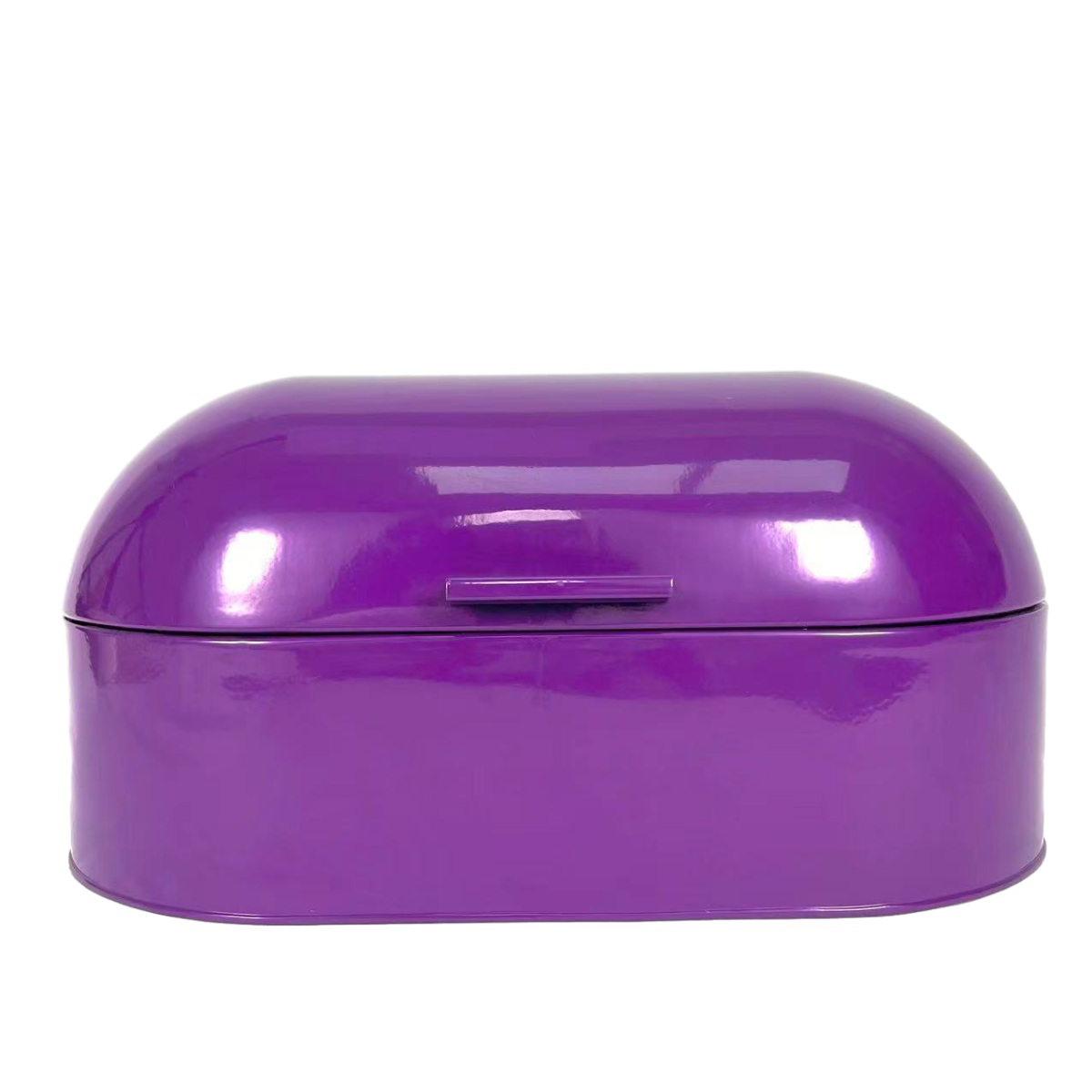
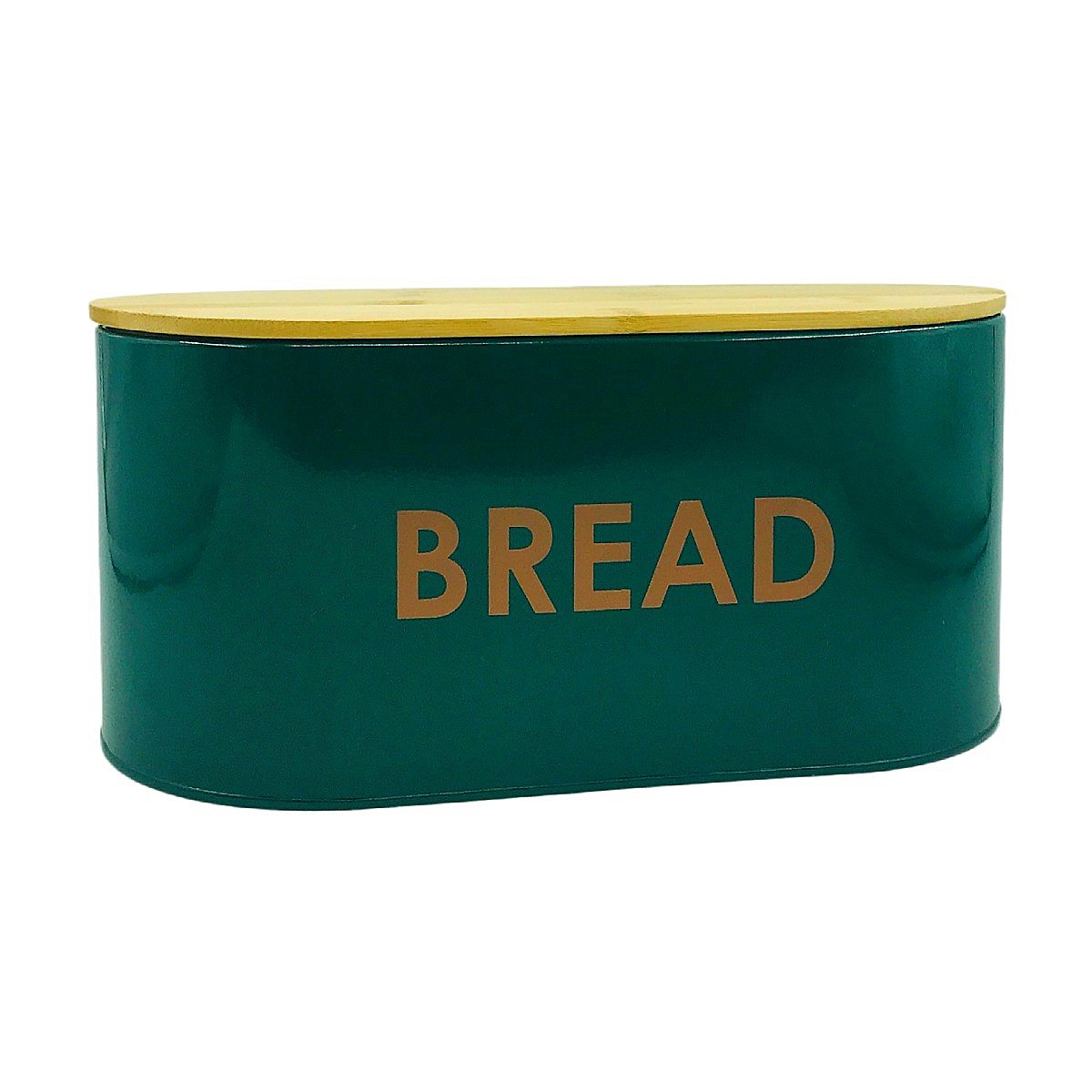
Consider the available space in your kitchen when choosing the size of your bread bin. Measure the area where you plan to place the bin to ensure it fits comfortably without overcrowding your countertop or cabinet space. If space is limited, you may need to opt for a more compact bread bin or explore alternative storage solutions, such as under-the-counter bins or wall-mounted options.
Another factor to consider is whether you intend to store other baked goods, such as pastries or bagels, in the bread bin alongside your loaves. If so, you'll need a bin with sufficient height and width to accommodate these items without squishing or damaging them. Some bread bins even come with separate compartments or adjustable shelves, allowing you to customize the storage space to suit your needs.
It's also worth considering the shape of the bread bin when determining the right size. While traditional rectangular bins are popular and versatile, you may prefer a round or oval-shaped bin for a more streamlined aesthetic or to fit into tight corners.

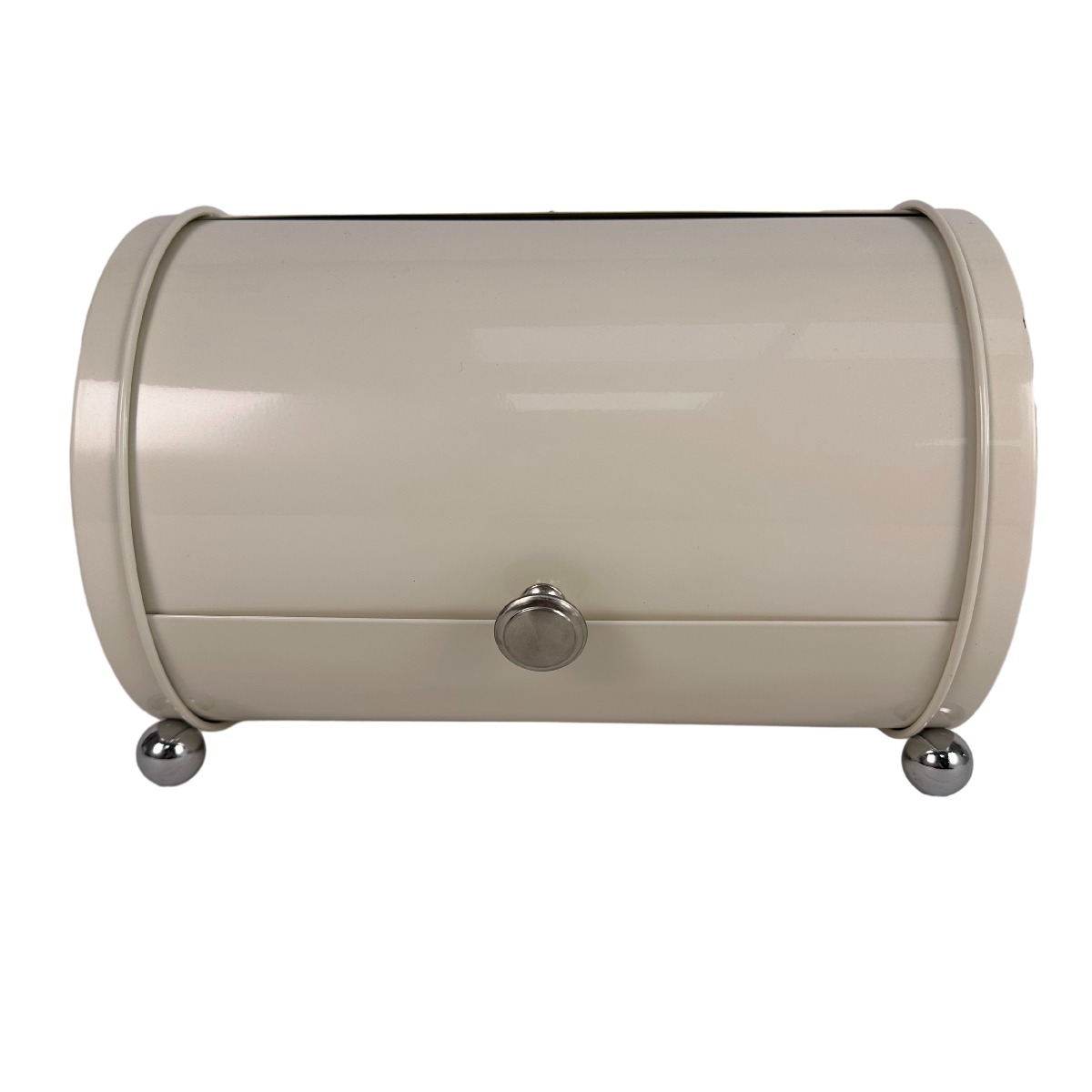
Ultimately, the key is to strike a balance between size and capacity that meets your specific kitchen needs and bread storage preferences. Whether you opt for a compact bin for single loaves or a larger bin to accommodate a variety of bread types, choosing the right size ensures that your bread stays fresh, organized, and easily accessible whenever hunger strikes.
Ventilation Essentials: Understanding the Importance of Proper Airflow in Bread Bins

Ventilation plays a crucial role in maintaining the freshness and quality of bread stored in a bread bin. Understanding the importance of proper airflow within your bread bin can significantly impact the longevity of your loaves and ensure they remain delicious for as long as possible.
Firstly, adequate ventilation helps regulate the moisture levels inside the bread bin. Bread has a delicate balance of moisture, and excess humidity can lead to mold growth, while too little moisture can cause the bread to become dry and stale. Proper airflow allows moisture to escape, preventing it from accumulating inside the bin and creating an environment conducive to mold or bacterial growth.
Furthermore, ventilation helps prevent condensation from forming inside the bread bin. When warm air comes into contact with cooler surfaces, such as the interior walls of the bin, it can lead to condensation. Excess moisture from condensation can make the bread soggy and promote mold growth. By allowing air to circulate freely, ventilation helps prevent condensation buildup and keeps the interior of the bread bin dry.
In addition to moisture control, proper airflow also helps maintain the temperature inside the bread bin. Stale bread is often the result of improper temperature regulation, as fluctuations in temperature can accelerate the staling process. Ventilation allows heat to dissipate, preventing hot spots from forming inside the bin and ensuring that the bread stays at an optimal temperature for freshness.
When selecting a bread bin, it's essential to consider the design and placement of ventilation features. Some bread bins feature built-in ventilation holes or slats that allow air to circulate freely, while others may have a lid with a vent to facilitate airflow. Whichever design you choose, ensure that it provides sufficient ventilation to keep your bread fresh and flavorful.
In conclusion, proper ventilation is essential for maintaining the freshness and quality of bread stored in a bread bin. By allowing air to circulate freely, ventilation helps regulate moisture levels, prevent condensation, and maintain optimal temperature, ensuring that your loaves stay delicious for longer periods. When choosing a bread bin, prioritize designs that prioritize airflow to maximize the shelf life of your bread.
Sealing the Deal: Tips for Selecting a Bread Bin with an Airtight Seal
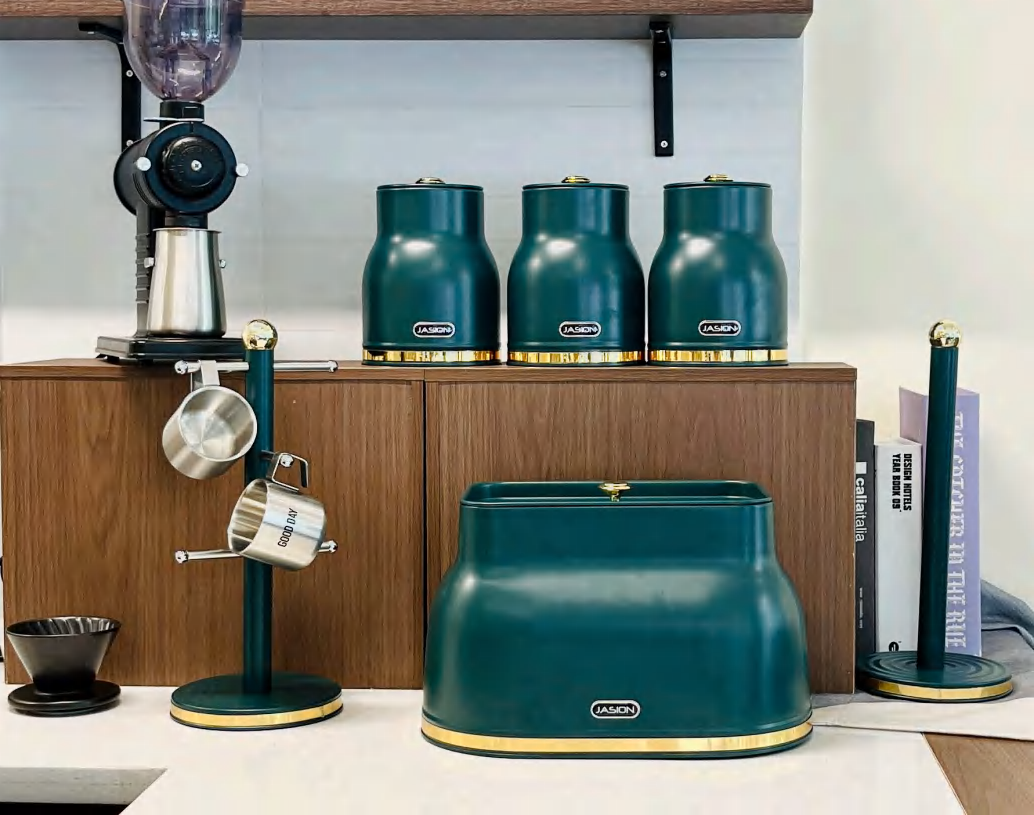
When it comes to preserving the freshness of your bread, selecting a bread bin with an airtight seal is paramount. An airtight seal helps to lock in moisture, prevent exposure to air, and keep your loaves fresher for longer periods. Here are some key tips for selecting a bread bin with an effective airtight seal:
Firstly, consider the design of the bread bin lid. A well-designed lid is essential for creating an airtight seal. Look for bread bins with lids that fit snugly onto the base and have a secure locking mechanism. This ensures that the lid stays tightly closed, preventing air from entering the bin and compromising the freshness of your bread.
Additionally, pay attention to the quality of the sealing mechanism. Opt for bread bins with high-quality seals, such as silicone gaskets or rubber seals, that effectively block out air and moisture. These seals create a barrier that helps maintain the optimal environment inside the bread bin, keeping your loaves fresh and flavorful for longer periods.
Furthermore, consider the material of the bread bin itself. Certain materials, such as stainless steel or ceramic, are inherently more airtight than others. Choose a bread bin made from durable and non-porous materials that provide an effective barrier against air and moisture infiltration.
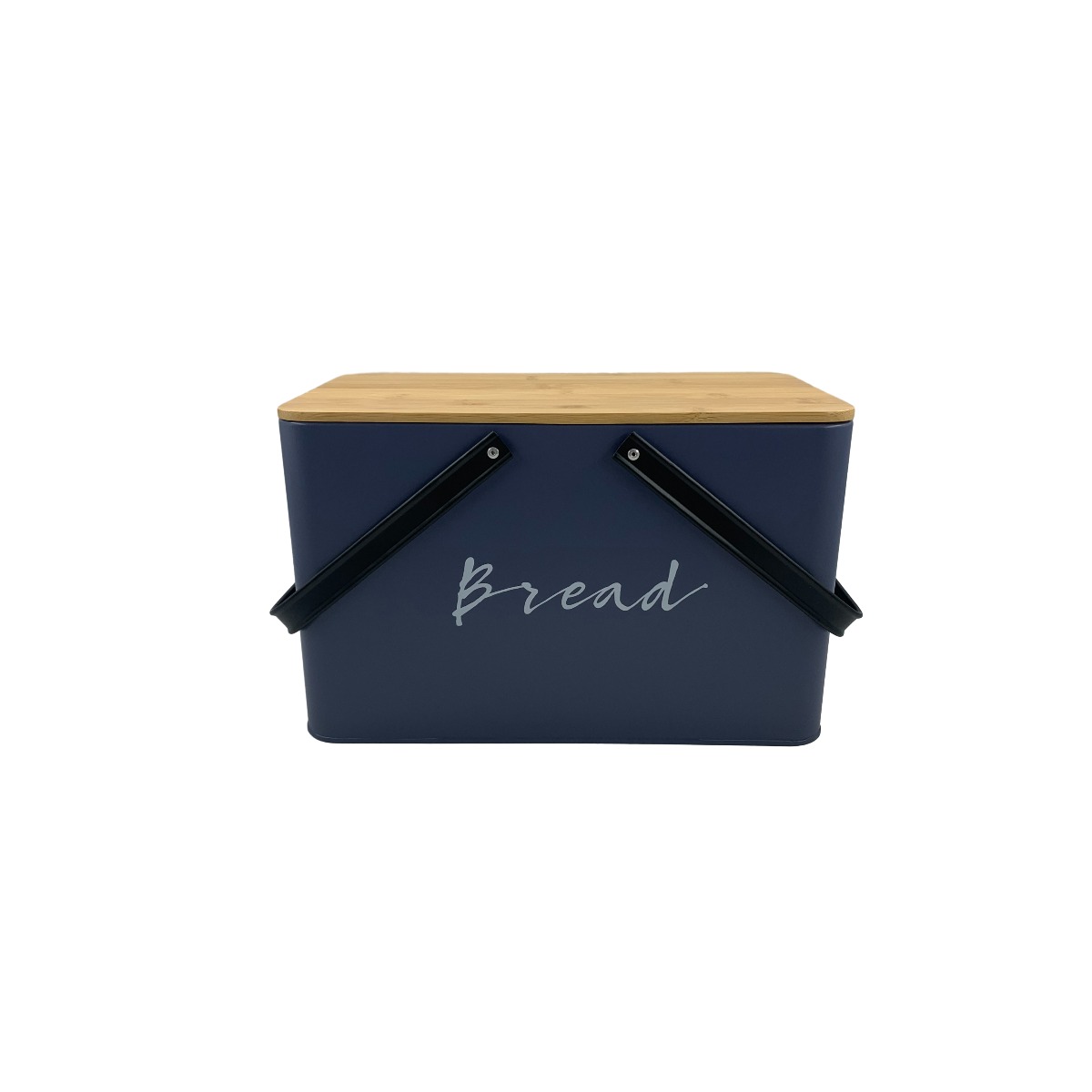
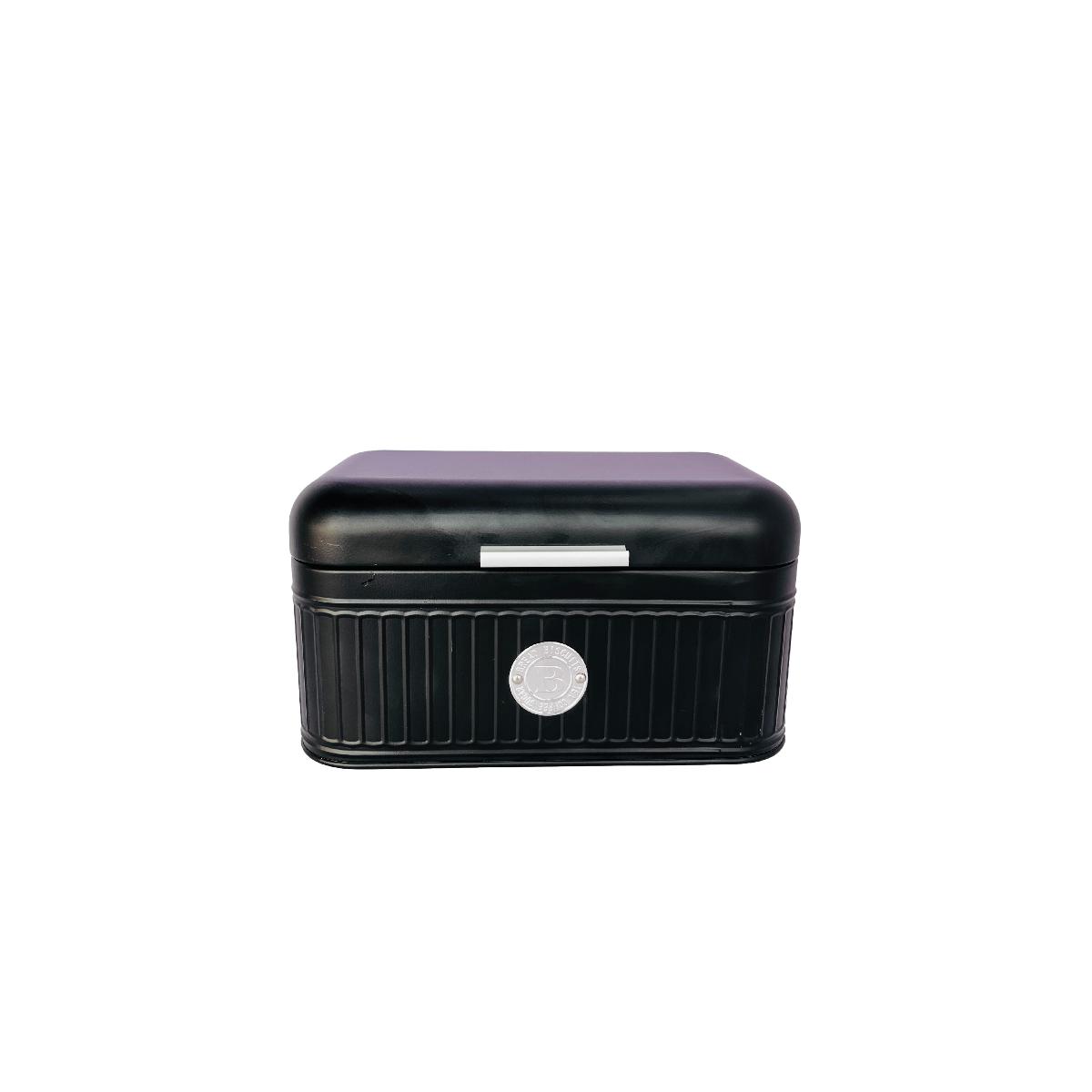
Another important factor to consider is the size and shape of the bread bin. A smaller, more compact bread bin may have an easier time maintaining an airtight seal compared to a larger, bulkier bin. Additionally, consider the shape of the bin and how it affects the distribution of weight when the lid is closed. A well-balanced design ensures that the lid remains securely in place, maintaining the integrity of the airtight seal.
Lastly, don't forget to check for any potential weak points or gaps in the bread bin's construction that may compromise the seal. Inspect the seams, edges, and corners of the bin for any signs of wear or damage that could allow air to seep in. Choosing a bread bin with a solid and sturdy construction will help ensure a reliable airtight seal for optimal bread preservation.
In conclusion, selecting a bread bin with an airtight seal is essential for preserving the freshness and quality of your bread. By considering factors such as lid design, sealing mechanism, material, size, and construction, you can choose a bread bin that effectively seals in moisture and flavor, keeping your loaves delicious for longer periods.
Cleaning and Maintenance: Keeping Your Bread Bin Hygienic and Fresh
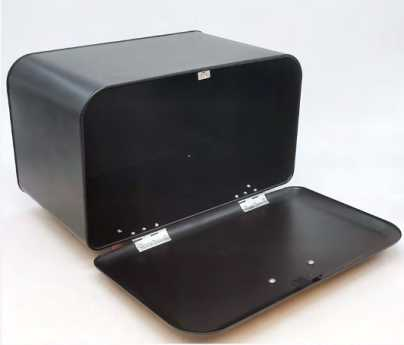
Keeping your bread bin clean and well-maintained is crucial for ensuring the hygiene and freshness of your stored bread. Proper cleaning and maintenance practices not only extend the life of your bread bin but also help prevent the growth of mold and bacteria that can compromise the quality of your loaves.
First and foremost, it's essential to establish a regular cleaning routine for your bread bin. Depending on how frequently you use it and the type of bread you store, aim to clean your bread bin at least once a week. Start by removing any remaining bread crumbs or debris from the bin using a soft-bristled brush or damp cloth. Pay close attention to corners, crevices, and any seams where crumbs may accumulate.
Once the interior of the bread bin is free of debris, wash it thoroughly with warm, soapy water. Use a mild dish soap and a soft sponge or cloth to gently scrub the inside of the bin, paying special attention to areas where food may have come into contact. Avoid using harsh abrasive cleaners or scouring pads, as these can scratch the surface of the bread bin and potentially harbor bacteria.
After washing, rinse the bread bin thoroughly with clean water to remove any soap residue. Towel-dry the interior and exterior of the bin to prevent water spots and ensure thorough drying. It's essential to allow the bread bin to air dry completely before returning bread or other food items to prevent moisture buildup, which can lead to mold growth.
In addition to regular cleaning, it's essential to perform maintenance tasks to keep your bread bin in optimal condition. Inspect the seal and hinges regularly for signs of wear or damage, and replace them if necessary to maintain an airtight seal. If your bread bin has a wooden exterior, consider treating it with food-safe wood oil or wax periodically to protect against moisture and prevent cracking or warping.
Finally, it's crucial to store your bread bin in a cool, dry place away from direct sunlight and heat sources. Excessive heat and sunlight can accelerate the staling process and promote mold growth, so choose a location in your kitchen that provides consistent temperature and humidity levels.
In conclusion, proper cleaning and maintenance are essential for keeping your bread bin hygienic and fresh. By establishing a regular cleaning routine, inspecting for wear or damage, and storing your bread bin properly, you can ensure that your loaves stay delicious and free from contamination for as long as possible.
Multi-Purpose Versatility: Bread Bins That Serve More Than Just Storage
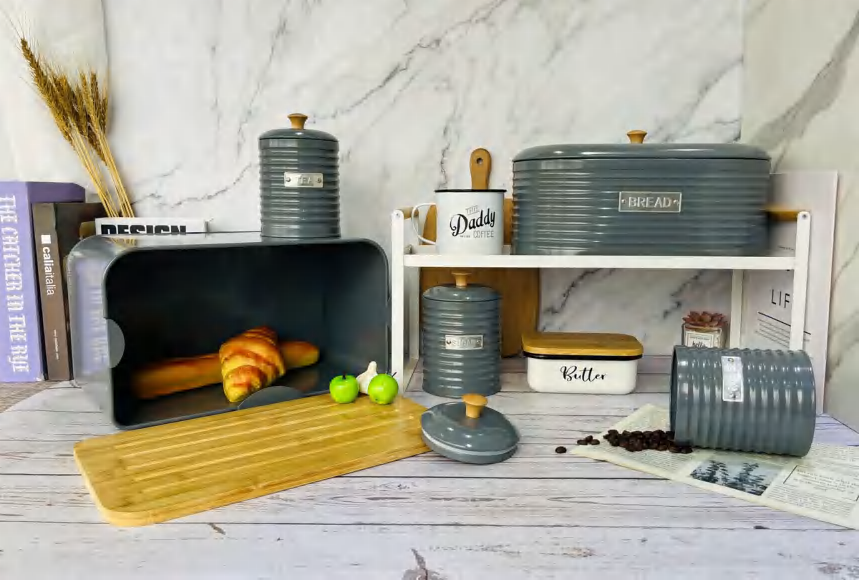
Bread bins have evolved beyond simple storage solutions, now offering multi-purpose versatility to meet the diverse needs of modern kitchens. These innovative designs not only keep your bread fresh and accessible but also serve additional functions, making them indispensable tools for culinary enthusiasts seeking efficiency and convenience.
One of the most common multi-purpose bread bin designs incorporates built-in cutting boards. These bins feature a removable or fold-out cutting board integrated into the lid, providing a convenient surface for slicing bread without the need for additional kitchen tools. This dual-functionality design streamlines the bread-preparation process, allowing you to effortlessly slice and serve freshly baked loaves without cluttering your countertop with extra cutting boards.

Another popular feature found in multi-purpose bread bins is a built-in knife holder. These bins include slots or compartments designed to securely store knives of various sizes, ensuring that your cutting tools are always within reach when you need them. This integrated storage solution helps declutter your kitchen countertops and keeps your knives organized and easily accessible for slicing bread or other culinary tasks.
In addition to cutting boards and knife holders, some multi-purpose bread bins offer additional storage compartments or accessories to enhance their versatility. These bins may include compartments for storing butter, spreads, or condiments, as well as hooks or racks for hanging kitchen towels or utensils. By incorporating these extra features, multi-purpose bread bins help maximize space efficiency in your kitchen and streamline your food preparation process.
In conclusion, multi-purpose bread bins offer a convenient and versatile solution for modern kitchens, combining bread storage with additional functionalities to streamline food preparation and organization. Whether you're slicing bread, storing knives, or organizing kitchen accessories, these innovative designs help maximize space efficiency and enhance the functionality of your kitchen, making them indispensable tools for culinary enthusiasts everywhere.
Conclusion
In conclusion, selecting the right bread bin is more than just a matter of storage—it's about preserving the freshness and flavor of your bread while complementing your kitchen's style and functionality. Whether you're seeking space-saving solutions for a compact kitchen, exploring multi-purpose designs to streamline your baking routine, or simply looking for budget-friendly options without sacrificing quality, there's a bread bin out there to suit your needs. By considering factors such as size, ventilation, material, and additional features, you can make an informed decision that enhances your bread storage experience and brings convenience and freshness to your daily life. So why wait? Invest in the perfect bread bin today and enjoy delicious, fresh bread whenever you desire.
FAQ
1.What is a bread bin?
- A bread bin, also known as a bread box or bread storage container, is a kitchen accessory designed to store bread and baked goods, keeping them fresh for longer periods by providing protection from air, light, and moisture.
2.Why do I need a bread bin?
- A bread bin helps preserve the freshness and quality of bread by creating an optimal storage environment. It protects bread from exposure to air, which can cause it to dry out or become stale, and helps regulate moisture levels to prevent mold growth.
3.What types of bread bins are available?
- Bread bins come in various shapes, sizes, and materials. Common types include countertop bread bins, wall-mounted bread bins, and pull-out bread drawers. They can be made from materials such as stainless steel, plastic, wood, ceramic, or bamboo.
4.How do I choose the right size bread bin for my kitchen?
- Consider factors such as the amount of bread you typically consume, the available space in your kitchen, and your preferred storage location. Measure the available space to ensure the bread bin will fit comfortably, and choose a size that accommodates your bread consumption habits.
5.What features should I look for in a bread bin?
- Look for features such as an airtight seal to keep bread fresh, ventilation holes to prevent moisture buildup, a removable crumb tray for easy cleaning, and a durable construction. Consider additional features like built-in cutting boards, knife storage, or dual-purpose designs for added functionality.
6.How do I clean and maintain my bread bin?
- Clean your bread bin regularly by removing crumbs and debris, washing it with warm, soapy water, and drying it thoroughly. Avoid using abrasive cleaners or harsh chemicals that can damage the finish. Check the seal and hinges periodically for wear or damage, and replace them if necessary to maintain freshness.
7.Can I store other items besides bread in my bread bin?
- While bread bins are designed primarily for storing bread, they can also be used to store other baked goods such as pastries, muffins, or bagels. Some bread bins may have additional compartments or features for storing other kitchen items such as cutting boards or utensils.
8.How long will bread stay fresh in a bread bin?
- The freshness of bread stored in a bread bin can vary depending on factors such as the type of bread, ambient temperature, and humidity levels. Generally, bread stored in a bread bin can stay fresh for 2-5 days longer than bread left out on the countertop or stored in plastic bags.
9.Are bread bins environmentally friendly?
- Bread bins made from sustainable materials such as bamboo or recycled plastic can be more environmentally friendly than disposable plastic bags or containers. Look for bread bins made from eco-friendly materials and consider their durability and longevity as factors in reducing waste.
10.Where can I purchase a bread bin?
- Bread bins are available at kitchenware stores, department stores, home goods stores, and online retailers. Consider shopping at specialty kitchen stores or websites that offer a wide selection of bread bins to find the best option for your needs.
Say Goodbye to Waste: Practical Strategies for Long-Term Vegetable Storage
Powder Coating Demystified: How Can Buyers Identify Quality
Related blog