What is Ikebana?
Ikebana is the art of arranging and combining natural materials such as flowers and greenery into aesthetically pleasing works of art. Ikebana is more than simply arranging flowers together; it involves a variety of aesthetic considerations such as color, shape, structure, and space. Ikebana is not limited to bouquets in containers, but also includes hanging and wall decorations. The core of flower arranging lies in combining the beauty of nature with human creativity, and through skillful composition and arrangement, the work presents a harmony between nature and humanity.

Ikebana is also a sensory art that requires the creator to keenly observe the form and texture of the floral material, and to use color matching and visual balance so that the work is not only pleasing to the eye, but also conveys a specific emotion and atmosphere. Whether it is a symmetrical arrangement or an asymmetrical design, the ultimate goal of flower arranging is to make people feel the vitality of nature and the flow of human emotions through a form of art.
The Origin and Development of the Art of Flower Arrangement
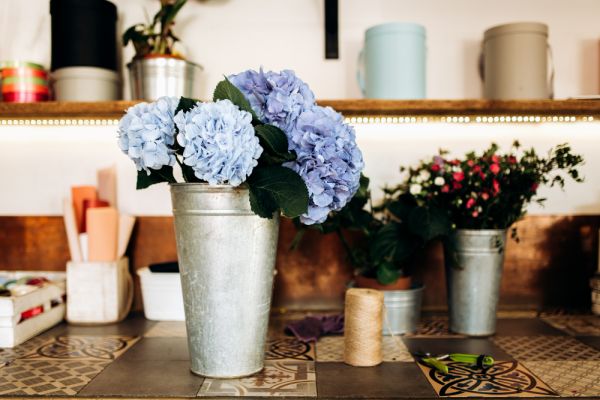
The history of flower arranging dates back thousands of years and has its origins in the rituals, religions and artistic expressions of different cultures. The East is represented by the Japanese art of “Hanamichi”, which originated as a Buddhist ritual of flower offering and was first used to honor the Buddha. Over time, Hanamichi evolved from a religious symbol to an independent art form, emphasizing simplicity, nature and inner spiritual expression. In Japan, the beauty of flower arranging is its simplicity, emphasizing “less is more,” and creating a sense of Zen and serenity with just a few flowers and plants.
In the West, the history of flower arranging can be traced back to ancient Greece and Rome. At that time, flowers were used more as part of religious rituals to symbolize the cycle of life and harvest. With the advent of the Renaissance, flower arranging was gradually detached from religious rituals and became a decorative art for princes and nobles. The Western style of flower arrangement focuses on opulence, creating visual luxury and solemnity through a rich variety of floral materials, colors and layering.
With the development of globalization, Eastern and Western flower arrangement art began to influence each other. Modern flower arrangement styles are no longer limited to a certain genre, but show a diversified and personalized development trend. Flower arrangers in various countries are constantly innovating while maintaining traditions, giving new life to this ancient art form.
Recommend flower pot


Styles and Schools of Floral Arrangement
Floral arrangement has evolved into diverse styles and schools over time, influenced by geography, culture, and history. The methods of expressing beauty in Eastern and Western floral art differ significantly, while modern floral arrangement blends these traditional styles, showcasing a more diverse range of expressions. Below is an exploration of three major styles of floral arrangement.
1.Eastern Floral Arrangement (e.g., Japanese Ikebana): The Beauty of Simplicity and Zen

Eastern floral arrangement, particularly Japan's "Ikebana" art, is characterized by simplicity, nature, and inner spiritual expression. Ikebana values minimalism and restraint rather than extravagance and luxury, aiming to reveal the power of nature and serene beauty with limited materials. Eastern floral art emphasizes negative space and the natural posture of materials, striving to convey deep Zen concepts and philosophical thoughts through simple design.
- Simplicity as Beauty: Japanese Ikebana emphasizes minimalism and restraint, often using very few materials, such as one or two flowers with a few leaves, to highlight the "less is more" aesthetic. The composition frequently uses triangular shapes representing the balance between heaven, earth, and humanity. This simple composition reflects nature’s harmony and tranquility.
- Natural Posture: Eastern floral arrangement values the natural form of materials, avoiding excessive manipulation or restriction of their shapes. Ikebana artists observe the natural curves and growth patterns of each flower or branch, positioning them in a way that honors their inherent movement. For example, the natural extension of a branch or the organic blooming of a flower conveys a sense of flowing energy and life force.
- Expression of Zen: Zen philosophy is at the heart of Ikebana. The work often evokes a calm and peaceful atmosphere, symbolizing the connection between nature and humanity. Through the simple combination of materials, Ikebana artists express inner tranquility and reverence for nature, turning floral arrangement into a meditative and self-reflective practice.
2.Western Floral Arrangement: Richness and Lavish Display
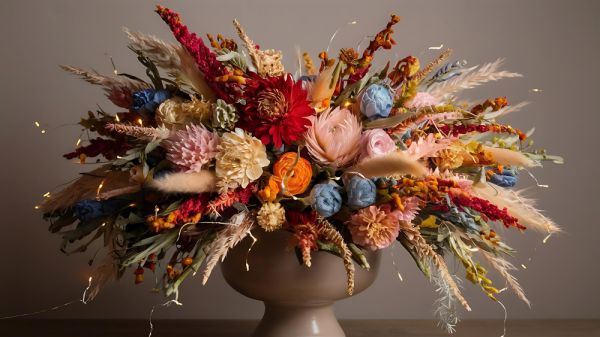
In contrast to the simplicity of Eastern floral art, Western floral arrangement embraces richness, opulence, and vibrant expression. Western arrangements focus on bold color contrasts, abundant materials, and visual impact, often used for grand celebrations, banquets, weddings, and other large-scale events to create an atmosphere of festivity and magnificence.
- Layering and Volume: One of the hallmarks of Western floral arrangement is its multi-layered design. Florists combine various materials to create arrangements with substantial volume and dimension. Flowers are densely arranged, and the combination of different sizes, shapes, and colors creates a piece rich in texture and variation.
- Bold Use of Color: Western arrangements often feature bold color schemes, using complementary or contrasting colors to create a striking visual impact. Bright hues like red and green, yellow and purple are commonly paired to heighten the drama and energy of the arrangement.
- Luxurious Decorative Elements: Western floral arrangements often exude luxury, particularly in traditional settings like noble courts and churches. Decorations such as gold accents, ribbons, and jewels are incorporated into the arrangement. The layering of large blooms, the choice of elegant containers, and the intricate detailing all contribute to the grandeur and regal ambiance of these arrangements.
3.Modern Floral Arrangement: Crossing Traditional Boundaries with Diverse Styles
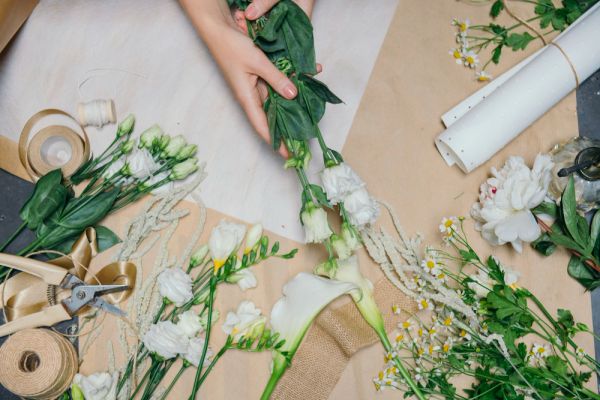
With globalization and the rise of diverse artistic movements, modern floral arrangement transcends traditional styles, blending the minimalism of Eastern floral art with the richness of Western arrangements. This has resulted in more creative, innovative, and personalized floral designs.
- Fusion of Styles: Modern floral arrangements are not confined to one particular style but integrate the essence of various cultural influences. For example, a modern arrangement may feature the clean, structured lines of Japanese Ikebana combined with the bold color choices of Western arrangements, resulting in pieces that are both meaningful and visually impactful.
- Innovative Materials and Forms: Modern floral designers experiment with unconventional materials, such as wire, glass shards, and wood, or even synthetic materials like plastic or paper, to express different artistic concepts. Additionally, the forms of modern arrangements are more varied, including wall-mounted and suspended displays beyond the traditional vase or container arrangements.
- Sustainable Floral Art: With the increasing focus on environmental sustainability, modern floristry is adopting eco-friendly practices. The use of locally sourced, seasonal, and renewable materials is becoming a trend. Many modern floral designers promote waste reduction by avoiding floral foam and choosing recyclable containers.
- Personalized Expression: Modern floral arrangement often emphasizes the florist’s personal expression. Each piece can be a unique creation, characterized by bold shapes and non-traditional material choices, allowing the florist to convey individual emotions and thoughts. Modern floral art encourages creativity and freedom, where florists break away from traditional rules and infuse their personal artistic vision into their work.
Conclusion
Mastering the Art of Flower Arrangement: Techniques for Structure, Balance, and Longevity
Colander: An Essential Kitchen Tool for a Convenient Cooking Experience
Related blog