Powder Coating Demystified: How Can Buyers Identify Quality
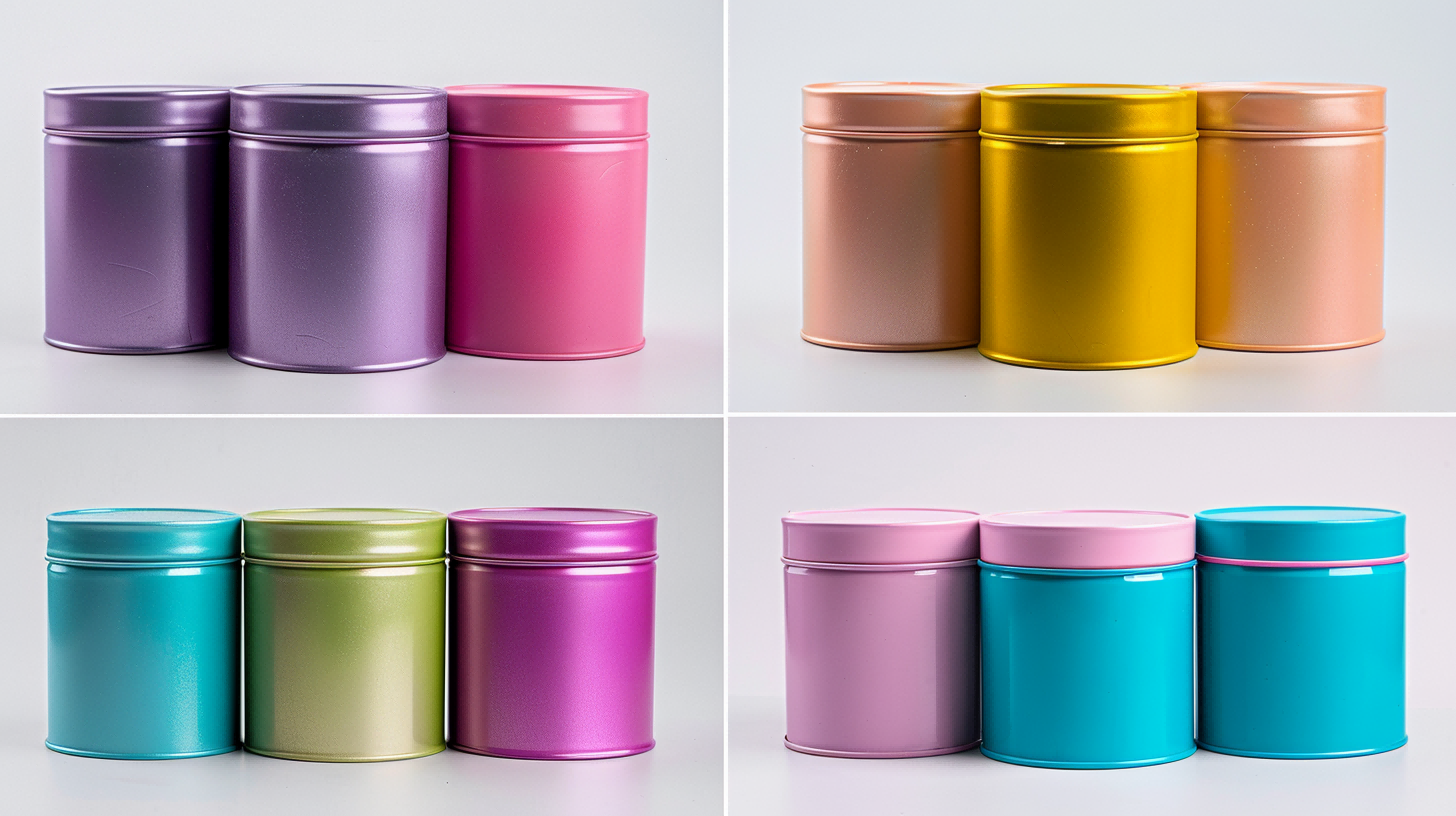
Most of the tins on the market now use the powder coating process for surface treatment. As a tin purchaser, are you often bothered by the quality problems that occur in the surface of the tins you purchase? In fact, although you are not a designer or a manufacturing worker, having knowledge about the product process will make your job easier. Imagine being able to recoup your company's losses through your product knowledge before the product reaches the market and is complained about by consumers. Rely on your product knowledge to save your company money by not being blindsided by technical issues in a crowded field of factory suppliers. This will all come true after reading this blog, which will give a complete overview of the powder coating process. It will address the following issues:
1. What are the factors that affect the quality of powder coating?
2. What is a good powder coating?
3. How should you choose what kind of powder coating according to the different needs of your product?
4. What is the role of surface treatment before powder coating?
5. What are the powder coating processes? What are the advantages and disadvantages of different processes?
6. How to identify and avoid the defects of powder coating products?
7. What are the quality standards for powder coating process?
Factors That Influence the Quality of Powder Coating

Several factors influence the quality of powder coating, and understanding these factors is crucial for tin buyers to make informed decisions and ensure the reliability and durability of their packaging solutions.
|
Powder Coating Technique
|
Pros
|
Cons
|
|
Electrostatic Spray Coating
|
- High efficiency
|
- Requires additional equipment (spray guns, curing ovens)
|
|
- Uniform coating thickness
|
- Potential for overspray
|
|
|
- Suitable for complex shapes and contours
|
- Limited to smaller parts
|
|
|
- Precise control over powder deposition
|
|
|
|
Fluidized Bed Coating
|
- High efficiency
|
- Limited to simple shapes and flat surfaces
|
|
- Uniform coating coverage
|
- May require additional curing steps
|
|
|
- Minimal waste
|
- Limited color and finish options
|
|
|
- Suitable for large batch production
|
|
|
|
Electrostatic Fluidized Bed Coating
|
- Combines advantages of both electrostatic spray and fluidized bed coating
|
- Similar limitations to fluidized bed coating
|
|
- Uniform coating coverage
|
- Potential for uneven coating thickness
|
|
|
- Minimal waste
|
- Additional curing steps may be required
|
|
|
- Enhanced adhesion and durability
|
- Limited to certain types of substrates
|
|
|
Manual/Automated Powder Coating Gun
|
- Versatile application for various shapes and sizes
|
- Initial investment in equipment may be high
|
|
- Precise control over powder application
|
- Requires skilled operators
|
|
|
- Wide range of color and finish options
|
- Potential for overspray
|
|
|
- Efficient coating process
|
|
One signifitint factor is the quality of the powder coating material. High-quality powder coatings are formulated using premium-grade ingredients, including pigments, resins, and additives. These ingredients determine the coating's adhesion, durability, color retention, and resistance to environmental factors such as UV exposure, moisture, and chemicals. Choosing a reputable supplier known for producing top-quality powder coatings is essential to ensure consistent performance and longevity of the coating on tins.
The application process also plays a critical role in determining the quality of powder coating. Factors such as surface preparation, powder application technique, curing temperature, and duration tin signifitintly impact the adhesion and appearance of the coating. Proper surface preparation, including cleaning, degreasing, and pre-treatment, is essential to remove any contaminants and create a clean, receptive surface for the powder coating to adhere to effectively. The application technique, whether electrostatic spray, fluidized bed, or electrostatic fluidized bed, should be carefully selected based on the specific requirements of the tin and the desired coating thickness and appearance.
Furthermore, the curing process is crucial for achieving optimal coating performance. Curing the powder coating at the correct temperature and duration ensures complete cross-linking of the polymer chains, resulting in a durable and resilient finish. Insufficient curing can lead to inadequate adhesion, reduced hardness, and poor chemical resistance, compromising the overall quality of the coating. Conversely, over-curing can cause discoloration, brittleness, and reduced flexibility, affecting the appearance and performance of the coating.
Environmental conditions during the powder coating process tin also influence the quality of the finished product. Factors such as temperature, humidity, and airflow must be carefully controlled to prevent defects such as orange peel, sags, or runs in the coating. Additionally, proper ventilation and filtration systems are essential to minimize airborne contaminants and ensure a clean, dust-free environment for powder coating application.
Key Characteristics of High-Quality Powder Coating for tins
By prioritizing adhesion, thickness consistency, durability, color, and finish, purchasers tin identify powder-coated tins that meet their specific requirements and exceed industry standards for performance and aesthetics. Durability is a key characteristic that buyers should look for in powder coatings. A quality coating should be highly resistant to scratching, chipping, fading, and corrosion, even when subjected to harsh conditions. Durability is especially crucial for tins used in industries such as food and beverage, where products may be exposed to frequent handling, storage, and transportation. A durable powder coating not only maintains the aesthetic appeal of the tin but also ensures the integrity of its contents, preserving product quality and safety.
In addition to adhesion, thickness consistency, and durability, color and finish are important characteristics that contribute to the overall quality of powder coating for tins. High-quality coatings should offer a wide range of color options and finishes to meet the diverse needs and preferences of customers. Whether it's a glossy, matte, textured, or metallic finish, the coating should provide a visually appealing surface that enhances the brand image and attracts consumers.
Choosing the Right Type of Powder Coating for Your tin Needs

Selecting the appropriate type of powder coating for your tin needs is a critical decision that tin signifitintly impact the performance, aesthetics, and durability of the finished product. With various formulations and application techniques available, understanding the different types of powder coating is essential for tin buyers seeking to meet their specific requirements.
| Criteria | Considerations | Examples |
| Substrate Material | - Ensure compatibility with the material of the tin | - Aluminum |
| - Consider the substrate's properties and surface preparation | - Steel | |
| - Choose coatings suitable for metal substrates | - Galvanized steel | |
| Application Requirements | - Determine the intended use and environmental conditions | - Indoor applications |
| - Consider exposure to moisture, chemicals, UV radiation, etc. | - Outdoor applications | |
| - Select coatings with appropriate resistance properties | - Chemical resistance | |
| - Ensure compliance with regulatory requirements | - FDA approval for food contact | |
| Aesthetic Preferences | - Identify desired color, finish, and texture | - Glossy finish |
| - Consider branding and marketing requirements | - Metallic sheen | |
| - Explore customization options for unique designs | - Matte or textured finish | |
| Performance and Durability | - Assess durability requirements for intended use | - Scratch resistance |
| - Consider expected lifespan and maintenance needs | - Corrosion resistance | |
| - Evaluate impact resistance and abrasion resistance | - Abrasion resistance | |
| - Choose coatings with appropriate performance properties | - Heat resistance | |
| Environmental Considerations | - Opt for low-VOC or HAPs compliant coatings | - Reduced environmental impact |
| - Consider recyclability and sustainability | - Recyclable coatings | |
| - Ensure compliance with environmental regulations | - RoHS compliance | |
| - Explore eco-friendly options such as water-based coatings | - Water-based coatings | |
| Cost and Budget | - Determine budget constraints and cost-effectiveness | - Initial investment |
| - Compare costs of different coatings and application methods | - Maintenance costs | |
| - Consider long-term savings from durability and performance | - Total cost of ownership |
One of the primary considerations when choosing a powder coating is the type of resin used in its formulation. Epoxy, polyester, and polyurethane resins are among the most commonly used in powder coating applications. Each type of resin offers unique properties and benefits.
- Epoxy powder coatings provide excellent adhesion, chemical resistance, and corrosion protection, making them suitable for tins used in harsh or corrosive environments.
- Polyester powder coatings offer superior weather resistance and color retention, making them ideal for outdoor applications where exposure to UV radiation and environmental elements is a concern.
- Polyurethane powder coatings provide exceptional durability, scratch resistance, and flexibility, making them suitable for tins subjected to high wear and tear.
Additionally, the choice between thermosetting and thermoplastic powder coatings is an important consideration. Thermosetting powder coatings, such as epoxy, polyester, and polyurethane, undergo a chemical reaction during curing that permanently cross-links the polymer chains, creating a durable and resilient finish. Once cured, thermosetting powder coatings tinnot be melted or reformed, providing excellent resistance to heat, chemicals, and abrasion. In contrast, thermoplastic powder coatings soften when heated and harden upon cooling, allowing them to be reheated and reshaped. Thermoplastic coatings offer advantages such as easy reworkability and recyclability, but they may not provide the same level of durability and chemical resistance as thermosetting coatings.
Furthermore, the choice of powder coating finish is an important consideration for achieving the desired aesthetic appearance and texture of the tins. Powder coatings are available in various finishes, including smooth, matte, textured, and metallic finishes, allowing for customization and branding opportunities. The finish of the powder coating tin signifitintly impact the visual appeal and tactile experience of the tins, influencing consumer perception and brand identity.
When selecting the right type of powder coating for your tin needs, it's essential to consider factors such as the intended application, environmental conditions, desired performance characteristics, and aesthetic preferences. By working closely with powder coating suppliers and manufacturers, tin buyers tin identify the most suitable coating options that meet their specific requirements and ensure the success of their packaging solutions.
The Importance of Proper Surface Preparation Before Powder Coating

Proper surface preparation is a fundamental step in the powder coating process and is crucial for achieving optimal adhesion, durability, and quality of the finished product. Surface preparation involves thoroughly cleaning and treating the surface of the tin substrate before applying the powder coating, ensuring that it is free from contaminants, oxidation, and other imperfections that could compromise the adhesion and performance of the coating.
One of the primary reasons for surface preparation is to remove any contaminants such as oil, grease, dirt, and dust that may be present on the surface of the tin substrate. These contaminants tin interfere with the adhesion of the powder coating, preventing it from forming a strong bond with the metal surface. Cleaning the surface using solvents, detergents, or specialized cleaning agents helps remove these contaminants and create a clean, receptive surface for the powder coating to adhere to effectively.
In addition to cleaning, surface preparation also involves removing any existing coatings, corrosion, or oxidation present on the surface of the tin substrate. This is typically done using mechanical methods such as abrasive blasting, sanding, or chemical stripping. Removing old coatings and surface imperfections helps ensure that the powder coating adheres evenly to the substrate, minimizing the risk of adhesion failure or defects in the finished product.
Another critical aspect of surface preparation is surface profiling, which involves creating a textured surface on the tin substrate to enhance the mechanical adhesion of the powder coating. Surface profiling is typically achieved through abrasive blasting or chemical etching, which creates microscopic anchor patterns on the surface of the substrate. These anchor patterns provide a mechanical grip for the powder coating, improving its adhesion and durability over time.
Furthermore, proper surface preparation helps promote uniformity and consistency in the powder coating application process. A clean, properly prepared surface allows the powder coating to flow evenly and smoothly, reducing the risk of defects such as orange peel, sags, or runs in the finished product. Consistent surface preparation also helps ensure that the powder coating adheres uniformly to the entire surface of the tin substrate, providing uniform protection against corrosion, abrasion, and other environmental factors.
Comparing Different Powder Coating Techniques for tins: Pros and Cons

Comparing different powder coating techniques for tins is essential for tin buyers to make informed decisions based on their specific requirements and preferences. Each powder coating technique offers distinct advantages and disadvantages in terms of performance, efficiency, cost, and versatility, making it crucial to weigh these factors carefully.
|
Powder Coating Technique
|
Pros
|
Cons
|
|
Electrostatic Spray Coating
|
|
|
|
|
|
|
|
|
|
|
|
|
Fluidized Bed Coating
|
|
|
|
|
|
|
|
|
|
|
|
|
Electrostatic Fluidized Bed Coating
|
|
|
|
|
|
|
|
|
|
|
|
|
Manual/Automated Powder Coating Gun
|
|
|
|
|
|
|
|
|
|
|
One of the most common powder coating techniques for tins is electrostatic spray coating, which involves applying charged powder particles onto the surface of the tin substrate using an electrostatic spray gun. This technique offers several advantages, including high efficiency, uniform coverage, and excellent adhesion. Electrostatic spray coating allows for precise control over powder deposition, resulting in consistent coating thickness and minimal overspray. Additionally, this technique is suitable for coating complex shapes and contours, making it ideal for tins with intricate designs or irregular surfaces. However, electrostatic spray coating may require additional equipment and infrastructure, such as a powder coating booth and curing oven, which tin increase upfront costs and space requirements.
Another powder coating technique for tins is fluidized bed coating, which involves suspending the tin substrate in a fluidized powder bed, where the powder particles adhere to the surface through a combination of gravity and electrostatic attraction. Fluidized bed coating offers advantages such as high efficiency, uniform coverage, and minimal waste. This technique is particularly well-suited for coating large batches of tins quickly and efficiently, making it ideal for high-volume production environments. However, fluidized bed coating may be limited in its ability to coat complex shapes and contours, and it may require additional post-coating curing to achieve optimal performance and durability.
In addition to electrostatic spray and fluidized bed coating, other powder coating techniques for tins include electrostatic fluidized bed coating and powder coating using a manual or automated powder coating gun. Each technique offers unique advantages and disadvantages in terms of application speed, coating thickness, material utilization, and flexibility. For example, electrostatic fluidized bed coating combines the advantages of both electrostatic spray and fluidized bed coating, offering high efficiency, uniform coverage, and excellent adhesion. Manual and automated powder coating guns provide flexibility and precision in coating application, allowing for customized finishes and textures.
When comparing different powder coating techniques for tins, tin buyers should consider factors such as production volume, coating complexity, substrate material, desired finish, and budget constraints. By evaluating the pros and cons of each technique in relation to their specific requirements, tin buyers tin select the most suitable powder coating method that maximizes efficiency, quality, and cost-effectiveness for their packaging solutions. Additionally, consulting with experienced powder coating suppliers and manufacturers tin provide valuable insights and guidance in choosing the optimal coating technique for tins.
Identifying Common Defects in Powder Coated tins and How to Avoid Them
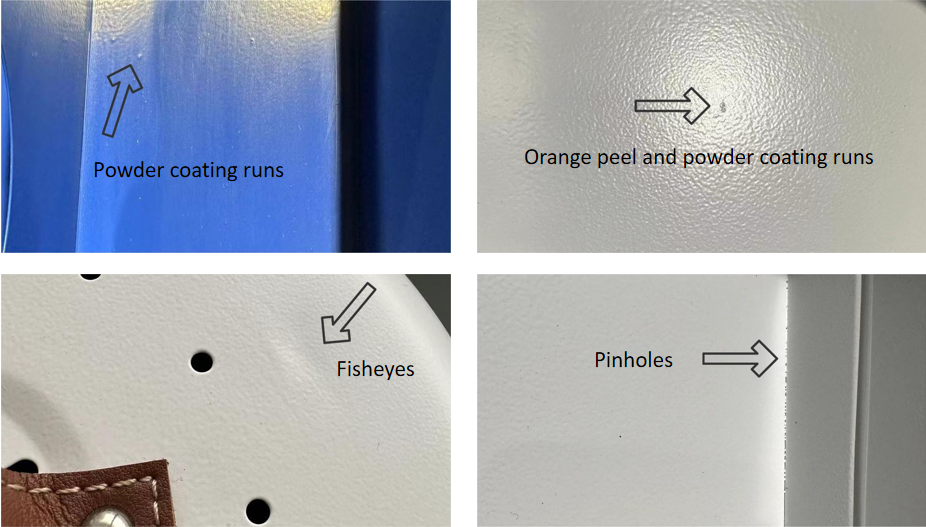
Identifying common defects in powder-coated tins is essential for tin buyers to maintain the quality and integrity of their packaging solutions. By understanding these defects and their underlying causes, buyers tin take proactive measures to prevent them, ensuring that the finished tins meet their performance and aesthetic standards.
One common defect in powder-coated tins is orange peel, which manifests as a textured or rippled surface resembling the peel of an orange. Orange peel tin occur due to various factors, including improper powder coating application techniques, incorrect curing temperatures, or inadequate surface preparation. To avoid orange peel, it's essential to ensure that the powder coating is applied evenly and smoothly, with consistent thickness across the entire surface of the tin. Additionally, proper curing conditions, including temperature and duration, should be maintained to allow the powder coating to flow and level effectively.
Another common defect is powder coating runs or drips, which occur when excess powder accumulates and flows unevenly on the surface of the tin during the application process. This tin result from excessive powder application, improper gun settings, or insufficient airflow in the powder coating booth. To prevent runs and drips, it's important to adjust the powder coating equipment settings to achieve the desired powder flow rate and coverage. Proper ventilation and airflow within the powder coating booth tin also help minimize the risk of excess powder buildup and ensure uniform coating application.
In addition to orange peel and runs, other common defects in powder-coated tins include pinholes, fisheyes, and cratering.
Pinholes are small, round voids or bubbles that appear in the cured powder coating and tin be caused by contaminants or air entrapment during the application process.
Fisheyes are circular defects characterized by a crater-like appearance and are often caused by surface contamination or incompatible coatings.
Cratering occurs when small pits or craters form in the powder coating surface due to contamination, moisture, or outgassing from the substrate.
To avoid these defects, tin buyers should prioritize proper surface preparation, cleanliness, and contamination control throughout the powder coating process. This includes thorough cleaning and pre-treatment of the tin substrate, ensuring proper ventilation and filtration in the powder coating booth, and using high-quality powder coatings and application equipment. Additionally, regular inspection and quality control measures tin help identify and address potential defects before they impact the final product, ensuring that powder-coated tins meet the desired quality standards and specifications.
Quality Assurance in Powder Coating: Certifications and Standards to Look For
Quality assurance in powder coating is crucial for ensuring that powder-coated tins meet the required standards for performance, durability, and safety. To achieve this, tin buyers should look for certifications and standards that demonstrate compliance with industry best practices and regulations.
One of the most widely recognized certifications in the powder coating industry is the ISO 9001 certification, which sets international standards for quality management systems. Companies that are ISO 9001 certified have demonstrated their commitment to consistently providing products and services that meet customer requirements and comply with regulatory standards. By selecting suppliers and manufacturers with ISO 9001 certification, tin buyers tin have confidence in the quality and reliability of the powder-coated tins they procure.
In addition to ISO 9001 certification, there are specific standards and certifications that apply specifically to powder coating processes and materials. For example, the Ameritin Architectural Manufacturers Association (AAMA) offers several performance specifications and testing standards for architectural coatings, including powder coatings used on metal substrates. AAMA certification ensures that powder coatings meet rigorous performance requirements for weather resistance, adhesion, color retention, and durability.
Similarly, the Powder Coating Institute (PCI) offers certification programs for powder coating applicators and manufacturers, including the PCI 3000 Certification for powder coating operations and the PCI 4000 Certification for powder coating materials. These certifications provide assurance that powder coating facilities and products meet industry standards for quality, consistency, and performance.
Furthermore, tin buyers should look for powder coatings that comply with relevant regulatory requirements and environmental standards. For example, powder coatings that meet the requirements of the Restriction of Hazardous Substances (RoHS) directive ensure that they do not contain harmful substances such as lead, mercury, cadmium, or chromium VI. Similarly, powder coatings that are classified as low-VOC (volatile organic compound) or HAPs (hazardous air pollutants) compliant help minimize environmental impact and ensure compliance with air quality regulations.
By selecting powder-coated tins that meet these certifications and standards, tin buyers tin be confident in the quality, performance, and safety of the packaging solutions they procure. These certifications serve as tangible evidence of a supplier's commitment to quality assurance and compliance with industry best practices, ultimately contributing to the success and reputation of their products.
Conclusion
In conclusion, embracing the principles of powder coating presents tin buyers with a multitude of benefits that extend far beyond mere surface aesthetics. By delving into the intricacies of this dry finishing process, we uncover a world of versatility, durability, and environmental consciousness that elevate packaging solutions to new heights. With its ability to provide a resilient shield against wear and tear while offering unparalleled customization options, powder coating emerges as not just a preference, but a necessity in the competitive landscape of tin packaging. As we move forward, armed with a deeper understanding of powder coating's advantages, let us embark on a journey towards excellence, where quality and longevity in packaging solutions are not just aspirations, but tangible realities shaping the success of our products and brands.
Act now to view galvanised cans and tin cans manufactured using high quality powder coated materials, a variety of cans including cans for storing coffee, tea and sugar, cans for vegetables, cans for biscuits and snacks. Click on the link for more product information! Contact us now for high quality factory supplied cans!
FAQ
1. What is powder coating?
- Powder coating is a dry finishing process where a fine powder is electrostatically applied to a surface, then cured under heat to form a durable and protective coating.
2. What materials tin be powder coated?
- Metals such as aluminum, steel, stainless steel, and galvanized steel are commonly powder coated. Additionally, some non-metal materials like certain plastics and composites tin also be powder coated.
3. What are the benefits of powder coating?
- Powder coating offers advantages such as superior durability, corrosion resistance, scratch resistance, environmental friendliness (low VOC emissions), and a wide range of color and finish options.
4. How does powder coating compare to traditional liquid paint?
- Powder coating generally provides a thicker, more durable finish compared to liquid paint. It's also more environmentally friendly, as it produces less waste and contains fewer harmful solvents.
5. What factors influence the quality of powder coating?
- Factors such as surface preparation, application technique, curing conditions, environmental factors, and powder coating material quality tin all influence the quality of the finished powder-coated product.
6. How should surfaces be prepared before powder coating?
- Surfaces should be thoroughly cleaned and treated to remove contaminants such as oil, grease, dirt, and rust. Surface profiling techniques like abrasive blasting may also be used to enhance coating adhesion.
7. What are common defects in powder-coated surfaces?
- Common defects include orange peel (uneven texture), runs or drips, pinholes, fisheyes, and cratering. These defects tin be caused by factors such as improper surface preparation, application technique, or curing conditions.
8. How tin defects in powder coating be prevented?
- Defects tin be prevented by following proper surface preparation procedures, using correct application techniques, maintaining optimal curing conditions, and implementing quality control measures throughout the coating process.
9. Are there different types of powder coating techniques?
- Yes, common powder coating techniques include electrostatic spray coating, fluidized bed coating, electrostatic fluidized bed coating, and manual or automated powder coating gun application.
10. What certifications and standards should I look for when choosing a powder coating supplier?
- Certifications such as ISO 9001, AAMA, and PCI, as well as compliance with regulatory standards such as RoHS, tin indicate a supplier's commitment to quality and compliance with industry best practices.
The Bread Bin Dilemma: Tips for Finding Your Ideal Storage Solution
How to Store Loose Leaf Tea? - 7 Kind of Tea
Related blog