What Should be In A First Aid Kit?
In the hustle and bustle of everyday life, it's easy to overlook the importance of being prepared for unexpected health emergencies. However, having a well-stocked family first aid kit can provide invaluable peace of mind and readiness for any situation. In this guide, we'll walk you through the essential steps to create a comprehensive first aid kit tailored to your family's needs.
Assess Your Family's Needs
Start by considering the specific health needs of your family members. Do you have children? Any elderly relatives? Are there individuals with chronic health conditions or allergies? Understanding these factors will help you customize your first aid kit accordingly.
Choose the Right Container
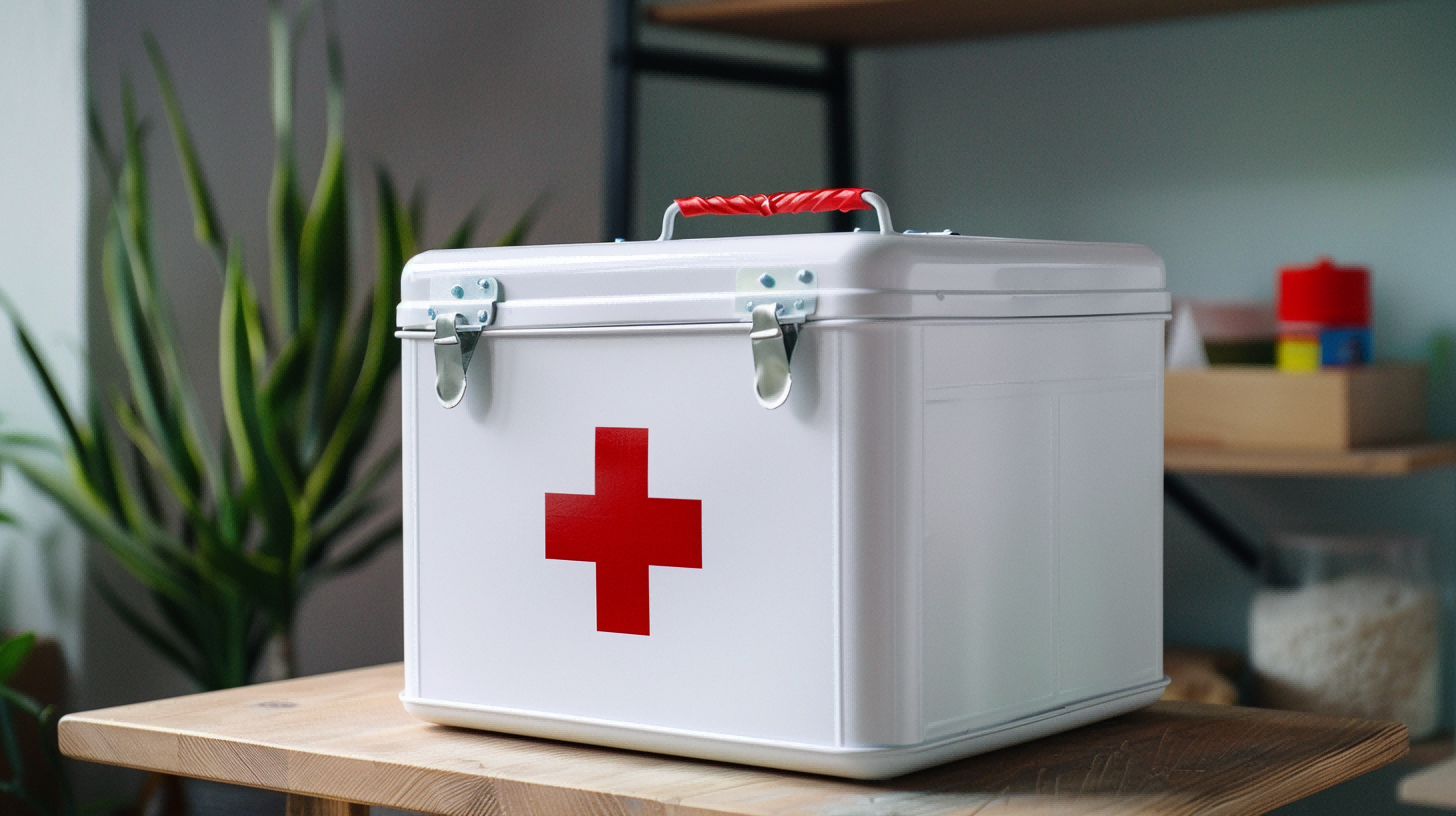
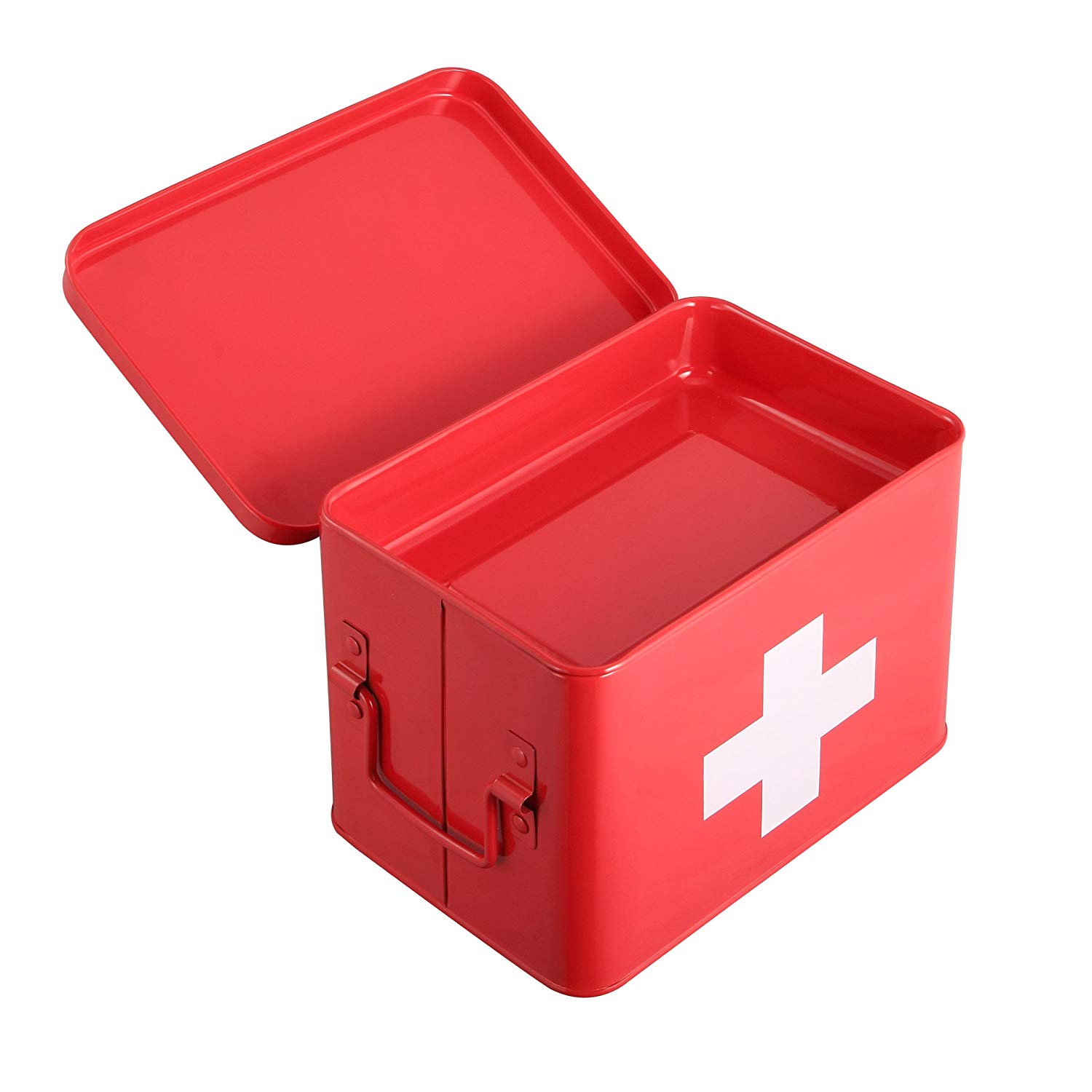
Select a durable and easily accessible container to store your first aid supplies. A sturdy plastic box or a first aid box with compartments can help keep your supplies organized and protected from damage.
Essential Supplies:
- Bandages and Dressings: Include a variety of adhesive bandages, sterile gauze pads, adhesive tape, and elastic bandages for dressing wounds of different sizes.
- Antiseptics: Stock antiseptic wipes, hydrogen peroxide, and antiseptic solution to clean and disinfect wounds.
- Tools and Instruments: Keep scissors, tweezers, a thermometer, and disposable gloves handy for safe and hygienic wound care.
- Over-the-Counter Medications: Include pain relievers like acetaminophen or ibuprofen, antihistamines for allergies, and antacids for digestive discomfort.
- Specialized Items: If necessary, add items specific to your family's needs, such as an epinephrine auto-injector for severe allergies or an asthma inhaler for individuals with asthma.
Emergency Equipment:
- CPR Mask: Include a CPR mask with a one-way valve to provide protection during rescue breathing.
- Instant Cold Packs: Keep instant cold packs or gel packs in your kit to reduce swelling and alleviate pain from injuries.
- Emergency Blanket: Include a compact emergency blanket to provide warmth and insulation in case of exposure to cold or shock.
Medication Management:
- Expiration Dates: Regularly check the expiration dates of medications and replace them as needed to ensure their effectiveness.
- Storage: Store medications in a cool, dry place away from direct sunlight, and keep them in their original packaging with instructions.
Education and Training:
- First Aid Manual: Include a comprehensive first aid manual or guidebook to reference in case of emergencies.
- Training: Consider taking a certified first aid and CPR course to learn proper techniques for administering first aid and emergency care.
Regular Maintenance:
- Checklist: Create a checklist of supplies in your first aid kit and regularly review and replenish items as needed.
- Accessibility: Keep your first aid kit in a central and easily accessible location in your home, and ensure all family members know its whereabouts.
By following these steps and customizing your family first aid kit to meet your specific needs, you'll be well-equipped to handle any health emergency that comes your way. Remember, preparedness is key to ensuring the health and safety of your loved ones.
How to manage your washing detergent?
How to Preserve Coffee Beans Properly?
Related blog