The Manufacturing Process of Canisters
Jars have been used regularly in our daily lives. Think about whether you have jars in your kitchen for coffee beans or jars in your living room for snacks. Then do you know how jars are produced? What follows is a 7-step story about the birth of a jar, starting with preparing the materials!
Step 1: Material Preparation
The journey of crafting a canister begins with meticulous material preparation. This involves sourcing high-quality raw materials, typically metals such as steel or aluminum, that possess the requisite strength and durability to withstand the demands of their intended use. These materials undergo thorough inspection and testing to ensure they meet stringent quality standards before proceeding to the next stage.
Step 2: Cutting
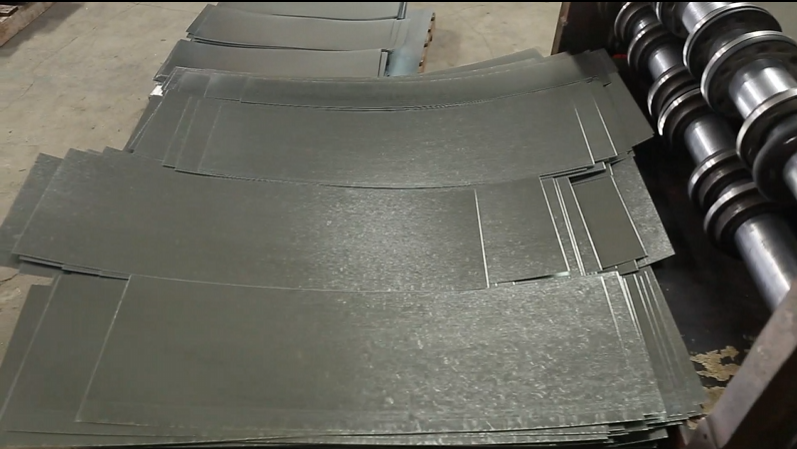
Once the materials are approved, they undergo precision cutting to shape them into the desired dimensions for the canister components. Advanced cutting techniques such as laser cutting or CNC machining are often employed to achieve unparalleled accuracy and consistency, minimizing waste and maximizing efficiency throughout the manufacturing process.
Step 3: Welding
Welding plays a pivotal role in assembling the various components of the canister. Skilled welders utilize specialized equipment to join the cut pieces together, creating sturdy seams that withstand the rigors of handling and use. The welding process demands precision and expertise to ensure proper bonding and structural integrity, crucial for preventing leaks or structural failures in the finished product.
Step 4: Shaping
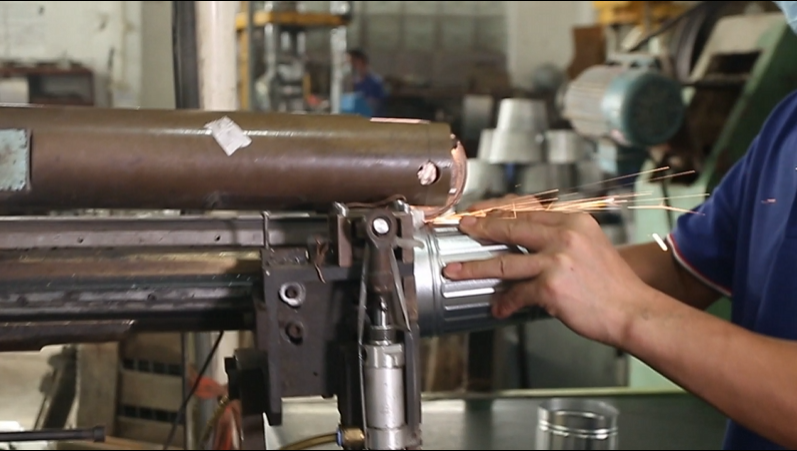
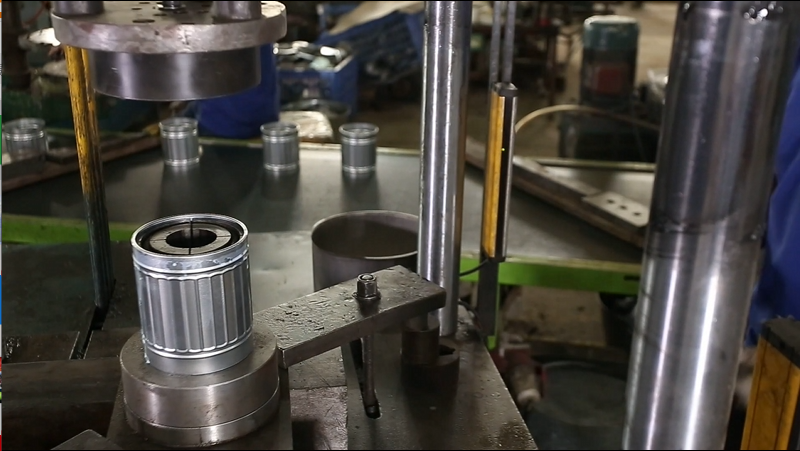
After welding, the canister undergoes shaping to refine its contours and dimensions according to design specifications. This step may involve processes such as forming, bending, or rolling, depending on the desired shape and functionality of the final product. Attention to detail is paramount during this stage to achieve uniformity and consistency across all units produced.
Step 5: Powder Coating
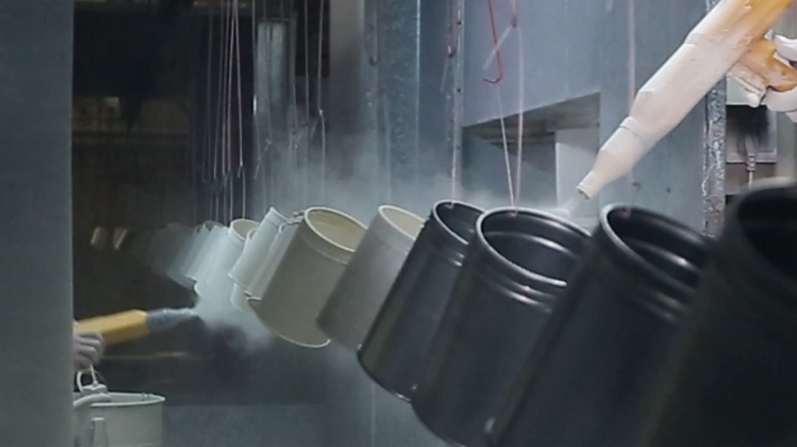
To enhance both the aesthetic appeal and the protective properties of the canister, it undergoes powder coating. This involves applying a fine powder coating to the surface of the canister and then curing it under heat, resulting in a durable, corrosion-resistant finish that prolongs the lifespan of the product. Powder coating also offers versatility in color options, allowing for customization to meet specific customer preferences or branding requirements.
Step 6: Printing
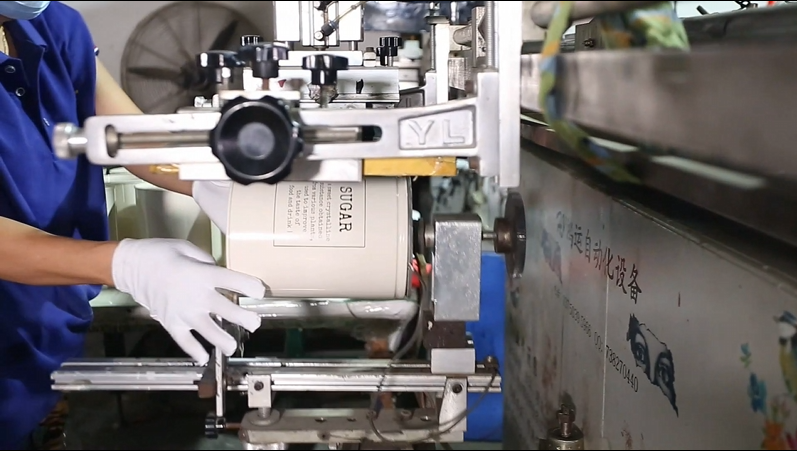
The canister may undergo printing to add essential information such as product labels, safety warnings, or branding elements. Advanced printing technologies such as screen printing or digital printing ensure crisp, legible markings that withstand exposure to various environmental conditions without fading or smudging. Proper labeling is critical for ensuring regulatory compliance and facilitating efficient inventory management and traceability throughout the product lifecycle.
Step 7: Packing
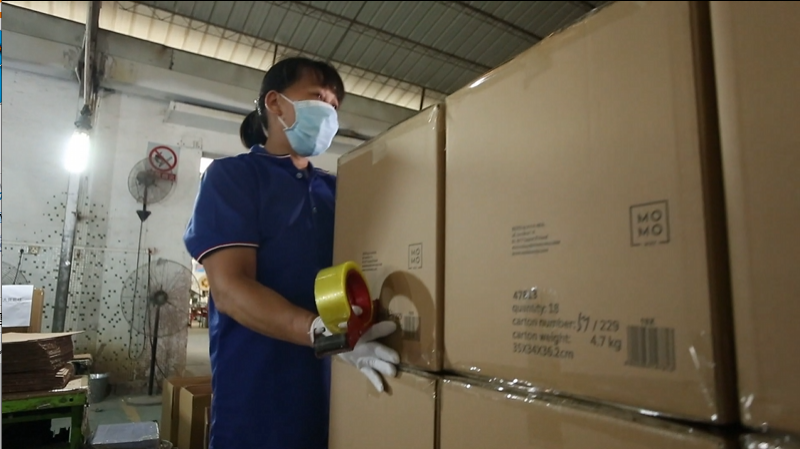
In the packaging segment, the jars will be packaged according to the needs of transportation and the requirements of customers. Usually, there are color box packaging and normal packaging. The carefully designed packaging ensures the integrity of the product during transportation, preventing damage or contamination.Additionally, efficient packing practices optimize storage and transportation space, reducing costs and environmental impact associated with logistics operations.
The manufacturing process of canisters is a complex yet meticulously orchestrated endeavor that demands precision, expertise, and attention to detail at every stage. From material preparation to packing, each step contributes to the creation of high-quality, reliable products that meet the diverse needs of industries worldwide. By understanding the intricacies of this process, manufacturers can continually refine their techniques and technologies to deliver superior canisters that exceed customer expectations for performance, durability, and safety.
Salt Spray Testing - Principles, Methods and Standards
A Beginner's Guide to Igniting Charcoal for Barbecuing

Related blog